
2026 Review and Renew SEDONA
AFTER the MEETING- with Total Health
This past April 11th and 12th, Total Health was proud to once again present our exclusive Oncology Updates: Review and Renew conference in beautiful Sedona, AZ! Our on-site team was thrilled to host 52 in-person attendees at this year’s meeting for a unique educational experience combining cutting-edge oncology updates with opportunities for relaxation and renewal, professional networking, and integrative learning.
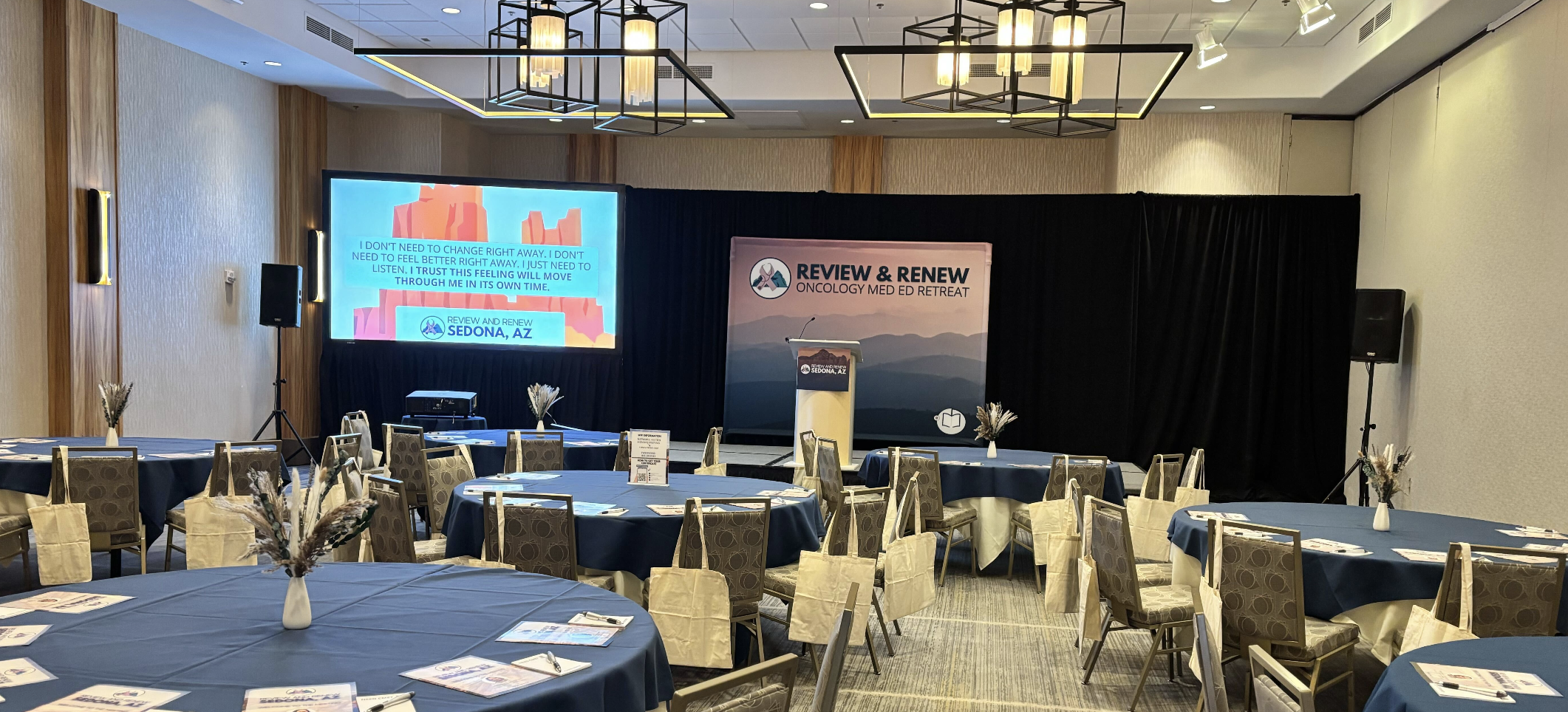
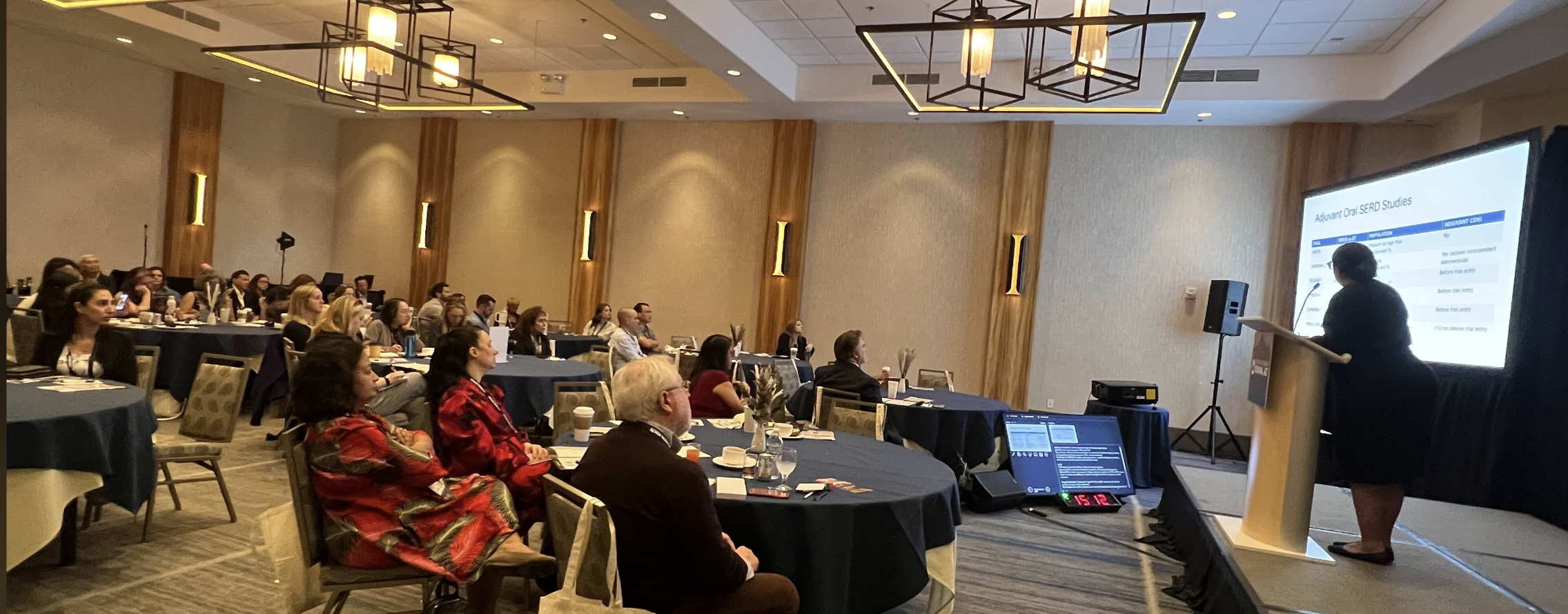
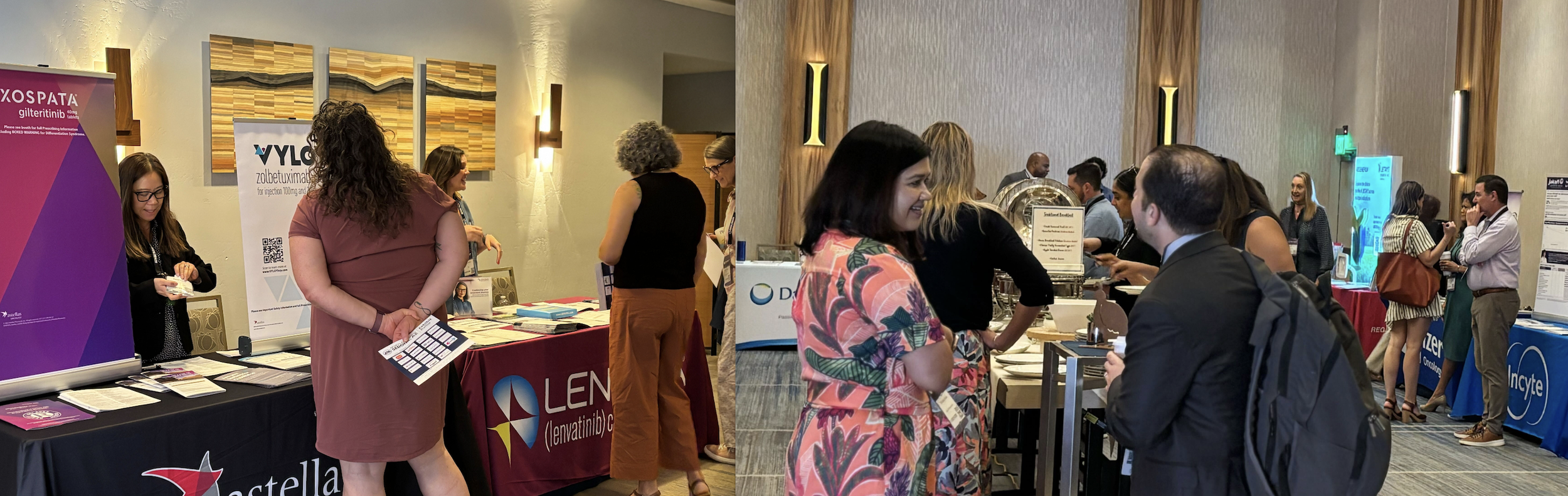
Attendees and exhibitors alike expressed a strong satisfaction with the scientific program, the Sedona venue experience, and the overall quality of the meeting, reinforcing this conference’s growing reputation as a uniquely balanced oncology educational program. Attendees represented a diverse multidisciplinary audience, including oncologists/hematologists, advanced practice providers, and other healthcare professionals. Nearly 90% of attendees had traveled from out of state, underscoring the national draw of our annual Sedona meeting and the value attendees continue to place on Review and Renew as an in-person oncology educational experience and networking opportunity.
Participants also appreciated the variety of speakers and disease topics, as well as the informal and collaborative environment that encourages a meaningful interaction among faculty, attendees, and exhibitors. Of note, this year’s conference featured several integrative oncology and supportive care presentations, and attendees identified topics such as mindfulness, nutrition, dietary supplements, and burnout prevention as sessions of special interest.
Thanks to our valued sponsors and exhibitors, Total Health is proud, as always, to offer the enduring content from this meeting to our cancer care teams for free, available on our YouTube channel here. You can also access the individual presentations from the conference by clicking on the speaker names in the summaries below.
DAY 1 PROGRAM HIGHLIGHTS
Dr Aparna Gogineni discussed the evolving concept of “right-sizing” therapy in early breast cancer, emphasizing individualized treatment approaches that maximize efficacy while minimizing overtreatment and long-term toxicity. She reviewed how advances in genomic assays, risk stratification, and response-adapted strategies are allowing clinicians to better tailor systemic therapy intensity across hormone receptor–positive, HER2-positive, and triple-negative breast cancer subtypes. Dr Gogineni highlighted the growing movement toward treatment de-escalation in carefully selected patients, including shorter durations of therapy, reduced chemotherapy exposure, and optimization of adjuvant regimens based on pathologic response and molecular risk. At the same time, she emphasized the importance of escalation strategies for patients with high-risk residual disease, underscoring the need to balance cure rates, quality of life, financial toxicity, and survivorship considerations. Throughout the presentation, she stressed shared decision-making and personalized care as central principles in modern early breast cancer management.
Jason Binder of Ember Health explored the rapidly evolving role of artificial intelligence (AI) in oncology and how AI-enabled tools may transform clinical practice, operational workflows, and patient engagement. The presentation focused on practical applications of generative AI, machine learning, and large language models in areas such as clinical documentation, decision support, patient communication, symptom monitoring, workflow optimization, and data interpretation. Binder emphasized that AI should be viewed as a tool to augment - not replace - clinicians by reducing administrative burden and allowing oncology teams to spend more meaningful time with patients. The session also addressed challenges surrounding AI adoption in healthcare, including concerns related to data privacy, hallucinations, bias, regulatory oversight, and integration into existing clinical systems. Binder highlighted the importance of maintaining human oversight, validating outputs, and ensuring transparency when using AI-generated recommendations in oncology care. Examples of emerging use cases included AI-assisted chart summarization, predictive analytics for toxicity management, patient education tools, and automated workflow support. The presentation concluded by emphasizing that successful implementation of AI in oncology will require collaboration between clinicians, technologists, health systems, and patients to ensure these technologies improve efficiency, equity, and quality of care without compromising the human elements central to cancer treatment.
Dr Honey Reddi, PhD, FACMG discussed the emerging clinical role of cerebrospinal fluid (CSF)-based liquid biopsy for the diagnosis and management of metastatic central nervous system (CNS) cancers. Her presentation highlighted how comprehensive genomic profiling from a single lumbar puncture can provide actionable molecular insights without requiring invasive tissue biopsy. Dr Reddi reviewed the Belay Diagnostics platforms - SummitTM 2.0, AscentTM, and VantageTM - which assess genomic alterations, chromosomal copy number changes, and MGMT promoter methylation from CSF samples to support diagnosis, treatment selection, disease monitoring, and surveillance. A major focus of her session was the utility of variant allele frequency (VAF) in diagnosing leptomeningeal disease (LMD) and tracking therapeutic response over time. Data presented demonstrated that CSF liquid biopsy showed higher sensitivity than standard CSF cytology, including in cases with low tumor DNA burden, and that VAF levels >5% were strongly associated with confirmed LMD. Dr Reddi also reviewed case studies in metastatic lung and breast cancer illustrating how serial CSF tumor DNA testing can detect actionable alterations, monitor treatment response earlier than imaging, and identify emerging resistance mechanisms. The session emphasized the growing potential of liquid biopsy to improve precision medicine approaches in metastatic CNS malignancies while reducing reliance on invasive diagnostic procedures.
Dr Reshma Mahtani, DO, reviewed emerging therapeutic strategies reshaping the management of metastatic breast cancer (MBC) across HER2-positive, triple-negative breast cancer (mTNBC), and HR-positive/HER2-negative disease. The presentation emphasized the growing complexity of treatment sequencing as new antibody-drug conjugates (ADCs), targeted therapies, and endocrine combinations continue to expand available options. In HER2-positive MBC, Dr Mahtani highlighted evolving first-line and maintenance approaches, including DESTINY-Breast09, HER2CLIMB-05, and PATINA, which explored trastuzumab deruxtecan (T-DXd), tucatinib, and palbociclib-based strategies to improve progression-free survival and CNS outcomes. In mTNBC, she stressed the importance of using the most effective therapies upfront, noting that many patients never receive second-line treatment. The session reviewed emerging first-line roles for sacituzumab govitecan and datopotamab deruxtecan, as well as combinations with immunotherapy in PD-L1–positive disease. Dr Mahtani also discussed the rapidly evolving HR-positive/HER2-negative landscape, including oral SERDs, PI3K/AKT-targeted therapies, and novel endocrine combinations such as inavolisib-, elacestrant-, and imlunestrant-based regimens. She concluded that precision oncology in MBC increasingly depends on biomarker-driven treatment selection, optimal sequencing of ADCs and targeted agents, and identifying which patients benefit most from combination versus single-agent approaches.
Dr Mohamad Bassam Sonbol, MD reviewed key gastrointestinal oncology updates from ASCO GI 2026, focusing on studies he considered practice-changing, practice-informing, or promising but not yet ready for adoption. A major emphasis was the HERIZON-GEA-01 trial in HER2-positive gastroesophageal adenocarcinoma, which demonstrated significant progression-free and overall survival benefits with zanidatamab- and tislelizumab-based regimens compared with trastuzumab-based therapy. Dr Sonbol highlighted zanidatamab as a potentially new benchmark in HER2-positive disease, while also noting challenges related to diarrhea toxicity management and financial burden. His presentation also reviewed biomarker-driven strategies in gastroesophageal cancers, including HER2, PD-L1, MSI/MMR, and Claudin 18.2 testing. Dr Sonbol discussed the emerging role of zolbetuximab in CLDN18.2-positive disease and reviewed data from the ILLUSTRO trial evaluating zolbetuximab combined with nivolumab and chemotherapy. In contrast, he noted that the COMMIT study in dMMR colorectal cancer and KEYNOTE-937 in hepatocellular carcinoma did not change his current practice due to toxicity concerns or lack of survival benefit. Dr Sonbol concluded that biomarker-driven personalization is rapidly reshaping GI oncology, with immunotherapy and targeted combinations continuing to redefine standards of care across multiple tumor types.
Dr Pier Paolo Claudio, MD, PhD presented an overview of personalized medicine approaches in ovarian cancer, emphasizing the limitations of traditional “one-size-fits-all” chemotherapy and the growing role of functional precision medicine. He reviewed the significant burden of ovarian cancer, noting that most patients are diagnosed at advanced stages and that recurrence rates remain high despite surgery and chemotherapy. Dr Claudio described the evolution of cancer treatment from histopathology-based approaches to molecular profiling and, more recently, functional pathology, which evaluates live patient tumor cells to predict therapeutic sensitivity. A major focus of his session was the ChemoID platform, a cancer stem cell–based assay designed to identify the most effective chemotherapy regimens by testing drug responses in both bulk tumor cells and treatment-resistant cancer stem cells. Dr Claudio also presented data from the randomized NCT03949283 trial in recurrent platinum-resistant ovarian cancer, demonstrating improved objective response rates, clinical benefit, and progression-free survival among patients receiving ChemoID-guided therapy compared with physician-choice treatment. The presentation highlighted how targeting cancer stem cells may reduce recurrence and improve long-term outcomes, while underscoring the broader promise of individualized treatment strategies in gynecologic oncology.
Dr David James, ND discussed the critical role of nutrition in comprehensive cancer care, emphasizing the high prevalence and clinical impact of oncology-related malnutrition. He noted that malnutrition affects 30% to 80% of patients with cancer and is associated with increased treatment toxicity, infection risk, fatigue, functional decline, and interruptions in therapy. Dr James’ presentation also reviewed common barriers to adequate nutritional intake, including nausea, vomiting, mucositis, taste changes, anorexia, dysphagia, constipation, diarrhea, and depression. He outlined practical first-line interventions such as small frequent meals, protein-focused nutrition, smoothies, oral supplements, and eating during periods of optimal symptom control. He further emphasized that nutrition support should be individualized and aligned with goals of care, with escalation to enteral feeding preferred when oral intake is inadequate and the gastrointestinal tract remains functional. Dr James also highlighted supportive dietary approaches, including the potential benefits of dark berries rich in anthocyanins, which may help reduce oxidative stress, support cardiovascular and cognitive health, and improve gut microbiome balance during cancer treatment. He concluded by addressing cancer cachexia and common food myths, stressing that adequate protein and calorie intake - rather than restrictive diets - is central to maintaining muscle mass, treatment tolerance, and quality of life throughout the cancer journey.
Dr Shayma Kazmi, MD, RPh presented an overview of the problem of physician burnout in oncology, emphasizing its growing prevalence, contributing factors, and strategies for prevention at both personal and institutional levels. She reviewed the Maslach Burnout Inventory framework, which defines burnout through emotional exhaustion, depersonalization, and diminished personal accomplishment, and highlighted data showing that nearly half of oncologists experience some form of burnout. Dr Kazmi discussed the accelerating impact of burnout in modern oncology practice, citing contributors such as administrative burden, electronic health record demands, excessive workload, staffing shortages, moral distress, and work-life imbalance. She also reviewed the emotional and professional consequences of burnout, including anxiety, depression, insomnia, reduced productivity, impaired patient care, medical errors, and social isolation. The session emphasized that meaningful physician-patient relationships, organizational culture, autonomy, peer support, and alignment of institutional values can serve as protective factors. Dr Kazmi concluded with practical interventions to reduce burnout, including recognizing warning signs early, prioritizing life purpose and personal wellbeing, improving time management and support systems, and implementing institutional strategies such as flexible scheduling, leadership development, process improvement, and nonpunitive wellness programs. She stressed that addressing burnout requires systemic change and that clinicians do not need to leave medicine to reclaim professional fulfillment and wellbeing.
In her second presentation at the conference, Dr Shayma Kazmi, MD, RPh reviewed the evolving landscape of biomarker-driven therapy in non-small cell lung cancer (NSCLC), emphasizing that NSCLC is no longer considered a single disease but a collection of molecularly distinct subtypes requiring precision-based treatment strategies. She highlighted the critical importance of comprehensive next-generation sequencing (NGS) and PD-L1 testing at diagnosis, particularly in nonsquamous NSCLC, to identify actionable alterations including EGFR, ALK, ROS1, BRAF, MET exon 14, RET, NTRK, KRAS G12C, HER2, and EGFR exon 20 mutations. Dr Kazmi also discussed the expanding role of liquid biopsy and RNA-based testing to improve mutation detection and overcome tissue limitations. She summarized clinical efficacy and safety data for several targeted therapies, including osimertinib, capmatinib, tepotinib, selpercatinib, pralsetinib, larotrectinib, entrectinib, and emerging therapies targeting KRAS G12C, HER2, and EGFR exon 20 insertions. Dr Kazmi’s presentation also emphasized the importance of waiting for molecular testing results before initiating immunotherapy, particularly in EGFR-mutated disease where immune checkpoint inhibitors demonstrate limited efficacy and may increase toxicity when sequenced before TKIs. She concluded by stressing the need for multidisciplinary collaboration to improve biomarker testing rates, turnaround times, tissue stewardship, and equitable access to precision oncology care.
Dr Amit Kulkarni reviewed the rapidly evolving small cell lung cancer (SCLC) landscape, emphasizing that platinum-based chemotherapy remains the backbone of treatment despite decades of limited survival gains. He highlighted recent advances including consolidation durvalumab in limited-stage disease following chemoradiation (ADRIATIC) and maintenance lurbinectedin plus atezolizumab in extensive-stage disease. Dr Kulkarni also explored why SCLC has historically resisted progress, focusing on tumor biology, immune suppression, and molecular heterogeneity. Emerging strategies targeting DLL3, including tarlatamab and other T-cell engagers, were presented as promising next-generation therapies. A major theme was the growing recognition that SCLC represents multiple biologically distinct subtypes, which may ultimately enable more personalized therapeutic approaches and improved long-term outcomes.
Dr Akanksha Sharma, MD discussed the importance of aligning oncology care goals with patient values through early palliative care integration and thoughtful end-of-life communication. Using a case study of a patient with metastatic breast cancer and progressive brain metastases, Dr Sharma contrasted disease-centered care with patient-centered care, emphasizing that clinical success should not be measured solely by radiographic response or disease control, but by quality of life and what matters most to the patient. Dr Sharma outlined how palliative care supports patients and care partners through symptom management, communication, psychosocial and spiritual support, care coordination, and shared decision-making. She emphasized that palliative care can and should occur alongside active treatment and is distinct from hospice care. The presentation highlighted practical communication strategies, including the “Ask-Tell-Ask” framework and 6 core questions designed to uncover patient values, fears, hopes, understanding of illness, acceptable quality of life, and limits to care. Dr Sharma stressed that culturally sensitive, individualized conversations are central to high-quality oncology care and that understanding the whole person - not just the disease - is essential for delivering goal-concordant treatment that reduces suffering and improves patient and family outcomes.
Dr Lise Alschuler, ND, eMBA, FABNO presented an evidence-based overview of herbs and dietary supplements commonly used in integrative oncology, emphasizing both their widespread use and the importance of understanding efficacy, quality, and safety. She reviewed current trends showing that more than half of U.S. adults regularly use dietary supplements, although many patients do not disclose this use to oncology clinicians. The session focused on 3 major categories of supplements with emerging oncology data: vitamin D, medicinal mushrooms, and melatonin. Dr Alschuler summarized observational studies and meta-analyses linking higher serum vitamin D levels with reduced incidence and mortality across colorectal, breast, prostate, and lung cancers. She also reviewed data supporting medicinal mushroom extracts such as reishi (Ganoderma lucidum) and turkey tail (Coriolus versicolor/PSK), which demonstrated potential immune-modulating effects, improved quality of life, and possible survival benefits when used alongside conventional therapy. Finally, she discussed melatonin, highlighting clinical trials showing improvements in treatment response, survival, and reduced chemotherapy-related toxicities in patients with solid tumors, including NSCLC and colorectal cancer. Dr Alschuler concluded by encouraging clinicians to proactively discuss supplement use with patients and critically evaluate product quality, evidence, and interaction risks in integrative cancer care.
Dr Claudia Rebola, PhD, explored the growing role of digital technologies, creative therapies, and artificial intelligence in improving quality of life (QoL) for patients with cancer and survivors. Her presentation emphasized a transdisciplinary approach that integrates medicine, design, neuroscience, engineering, and the arts to create patient-centered digital therapeutic tools. Dr Rebola highlighted several innovative app-based interventions, including music therapy (ARMCAN), art therapy (ARTCAN), robotic pet-assisted therapy (ARCCAN), and AI-enabled writing therapy (JOTCAN), all designed to address emotional distress, cognitive burden, anxiety, depression, and “chemobrain.” She noted early pilot studies which demonstrated encouraging signals for improved mental health and wellbeing among patients with cancer and benign brain tumors. She also discussed emerging AI-enhanced co-creation models in which AI tools support artistic expression, journaling, and emotional reflection through image generation, chatbot feedback, and multilingual interaction. Her session concluded underscoring how digital health tools and human-AI collaboration may expand access to supportive care and personalized survivorship interventions in oncology.

DAY 2 PROGRAM HIGHLIGHTS
Ms Denise Spector reviewed the role of mindfulness and meditation as evidence-based supportive care strategies in oncology, emphasizing their growing use for nonpharmacologic symptom management among cancer survivors. She distinguished mindfulness as present-moment, nonjudgmental awareness from meditation as a structured practice designed to cultivate attention and emotional regulation. Drawing on neuroscience research, she also described how regular mindfulness practice may promote neuroplasticity, reduce cortisol levels, and improve emotional resilience through measurable changes in brain connectivity and neurotransmitter activity. She highlighted evidence supporting mindfulness-based interventions for reducing anxiety, depression, stress, fear of recurrence, fatigue, sleep disturbance, and pain in patients with cancer. Her practical recommendations included integrating brief breathing exercises during infusion visits, developing referral pathways for mindfulness-based stress reduction programs, and utilizing digital mindfulness tools to expand access to supportive care resources.
Dr Amelia Langston reviewed potentially practice-changing updates from the 2025 American Society for Hematology (ASH) Annual Meeting across multiple hematologic malignancies. In chronic lymphocytic leukemia, she noted that the CLL17 trial supported fixed-duration venetoclax-based regimens as effective alternatives to continuous BTK inhibition, with potential benefits in progression-free survival, depth of remission, and reduced financial toxicity. In advanced Hodgkin lymphoma, she cited updated SWOG 1826 data which confirmed durable progression-free survival advantages with nivolumab-AVD over brentuximab vedotin-AVD, with circulating tumor DNA emerging as a powerful prognostic biomarker. Dr Langston also highlighted major advances in relapsed/refractory multiple myeloma, where teclistamab plus daratumumab significantly improved progression-free and overall survival in the MajesTEC-3 trial, though infectious complications remain an important consideration. Additional presentations included emerging nonphlebotomy therapies for polycythemia vera, early in vivo CAR T-cell gene therapy approaches in myeloma, and the PARADIGM trial suggesting azacitidine plus venetoclax may become a less intensive frontline option for selected fit patients with AML.
Dr Charles Nguyen reviewed major developments in metastatic hormone-sensitive and castration-resistant prostate cancer from the 2026 ASCO Genitourinary Cancers Symposium, emphasizing biomarker-driven treatment strategies and emerging immunotherapeutic approaches. In PTEN-deficient metastatic hormone-sensitive prostate cancer, he highlighted the CAPItello-281 study, wherein capivasertib plus abiraterone was shown to improve radiographic progression-free survival compared with abiraterone alone, though the regimen was associated with increased toxicities including diarrhea, rash, and hyperglycemia. Dr Nguyen also discussed patient-reported outcomes showing modest early declines in physical wellbeing but generally preserved overall quality of life. In metastatic castration-resistant prostate cancer, he reviewed final survival data from the BRCAAway trial demonstrating improved progression-free and overall survival with upfront olaparib plus abiraterone versus sequential therapy in patients with homologous recombination repair alterations, particularly BRCA1/2 mutations. Additional updates included PEACE-3, wherein radium-223 plus enzalutamide was shown to improve progression-free and overall survival in first-line mCRPC, and emerging T-cell engager therapies such as VIR-5500 targeting PSMA x CD3, which has demonstrated encouraging activity with strategies designed to reduce cytokine release syndrome and improve tolerability.
In his second presentation at the conference, Dr Charles Nguyen also reviewed major advances in bladder and renal cancer presented at the 2026 ASCO GU Symposium, highlighting rapidly evolving perioperative and targeted therapy strategies. In muscle-invasive bladder cancer, he discussed the phase 3 KEYNOTE-B15/EV-304 trial, wherein perioperative enfortumab vedotin plus pembrolizumab was shown to improve event-free survival, overall survival, and pathologic complete response rates versus cisplatin-based chemotherapy, supporting a new standard of care regardless of cisplatin eligibility. In metastatic renal cell carcinoma, Dr Nguyen reviewed the growing role of HIF-2α inhibition, including the LITESPARK-011 study in which belzutifan plus lenvatinib improved progression-free survival and response rates compared with cabozantinib after prior immunotherapy. He also summarized adjuvant RCC data from LITESPARK-022, wherein pembrolizumab plus belzutifan was shown to significantly improve disease-free survival, while emphasizing ongoing questions regarding toxicity management, biomarker selection, and optimal patient selection for intensified therapy.
Dr Matthew Ulrickson reviewed the rapidly expanding role of bispecific antibodies and cellular therapies in hematologic malignancies, with a focus on CAR T-cell therapy in lymphoma and multiple myeloma. He highlighted how second-line CAR T-cell therapy has surpassed standard chemotherapy in relapsed large B-cell lymphoma, while newer dual-targeting CAR constructs directed against CD19/CD20 aim to overcome limitations such as antigen escape and improve durability of response in patients. Emerging targets including BAFF-R and CD22 were also discussed as strategies for patients progressing after CD19-directed therapy. Dr Ulrickson emphasized advances in CAR T-cell manufacturing designed to preserve naïve T cells and reduce toxicity, alongside ongoing efforts to improve safety by minimizing CRS and ICANS. He also reviewed the growing impact of bispecific antibodies such as teclistamab combinations in myeloma and explored future directions including allogeneic CARs, trispecific antibodies, and novel solid tumor cellular therapies.
Dr Chelby Wakefield reviewed the evolving toxicity landscape in hematologic malignancies as treatments have shifted from conventional chemotherapy toward targeted therapies, bispecific antibodies, and cellular therapies. Focusing on AML and ALL, she outlined key toxicities associated with FLT3, IDH, menin, and BCL-2 inhibitors, including differentiation syndrome, QTc prolongation, tumor lysis syndrome, prolonged cytopenias, and infectious complications. Dr Wakefield emphasized practical management strategies such as early corticosteroid intervention, ECG monitoring, antimicrobial prophylaxis, dose modifications, and careful management of CYP3A4 drug interactions. She also reviewed cytokine release syndrome (CRS), ICANS neurotoxicity, and prolonged hematologic toxicities associated with blinatumomab and CAR T-cell therapy. Throughout the presentation, she stressed that proactive toxicity recognition, multidisciplinary coordination, and supportive care are essential to safely deliver increasingly effective precision therapies in hematologic oncology.
Dr Daniel Krummel explored the growing role of natural products in cancer neuroscience, emphasizing both their historical importance and their emerging therapeutic potential. He reviewed how many foundational drugs, including paclitaxel and vinca alkaloids, actually originated from natural compounds and noted that more than 20% of FDA-approved drugs are derived from, or inspired by, natural products. Dr Krummel highlighted increasing patient use of supplements and discussed opportunities for natural products to improve quality of life, reduce treatment toxicity, and complement standard therapies. Specific examples included Boswellia for radiation necrosis, papaya leaf extract for thrombocytopenia, and phytochemicals such as cannabidiol and capsaicin that modulate ion channels involved in tumor growth, pain, and neuropathy. He concluded that advances in AI-driven drug discovery and bioelectricity research may help unlock new therapeutic applications for natural compounds in oncology.
Lastly, Program Chair Dr Soma Sengupta provided an overview of emerging neuro-oncology clinical trials that are reshaping care for patients with primary and metastatic brain tumors. Key advances highlighted by Dr Sengupta included FDA approval of vorasidenib for IDH-mutant low-grade gliomas following the INDIGO trial and mirdametinib for NF1-associated plexiform neurofibromas. She highlighted promising investigational approaches in glioblastoma, including dendritic cell vaccines, CAR T-cell therapies, tumor treating fields, focused ultrasound to disrupt the blood-brain barrier, and novel radiopharmaceutical approaches. Dr Sengupta also discussed advances in diffuse midline glioma, including GD2 CAR T-cell therapy and ONC201, alongside innovations in imaging such as FET-PET for distinguishing recurrence from treatment effects. Throughout the presentation, she emphasized the importance of clinical trial participation, quality of life, caregiver support, and patient-centered outcomes in neuro-oncology care.
Thank You!
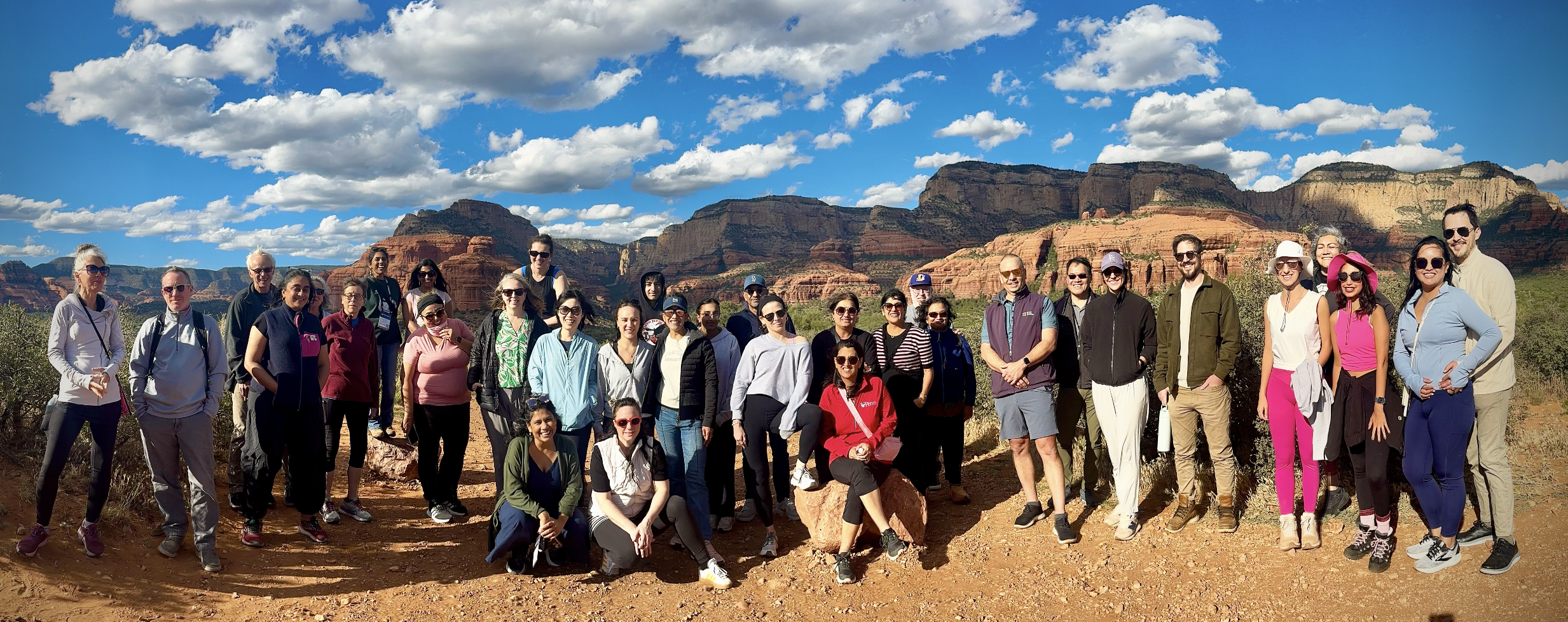
On behalf of the Total Health team and our program chair, Dr Soma Sengupta, our sincere thanks to all our in-person attendees, and to our valued exhibitors, for making this year’s conference such a success, and for allowing us to keep this program and others, as always, free to attend for our cancer care teams!

Your 2026 Review and Renew Sedona on-site team: Left to Right, Program Coordinator Bri Effner, Program Director Reyna Rubin, Program Director and Sedona Lead, Allison (Cooper) Zuber.