
AFTER the MEETING- with Total Health
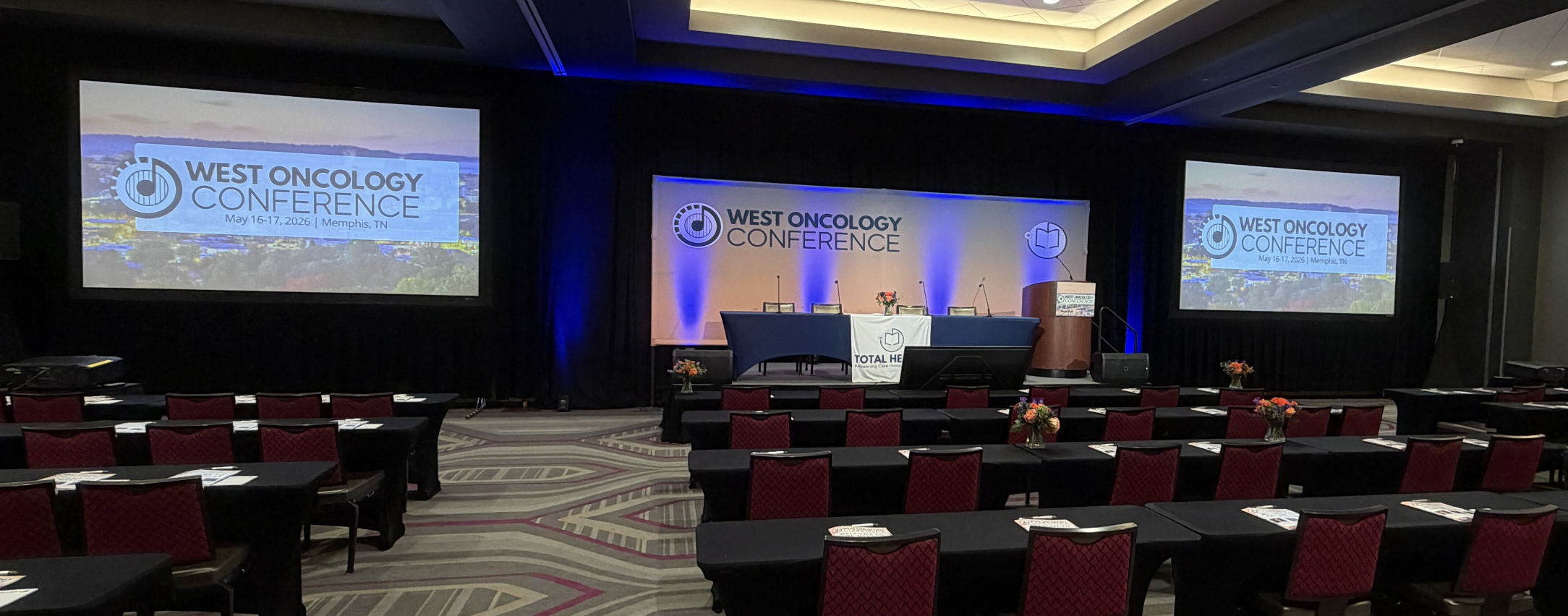
In partnership with our good friends at West Oncology, this past May 16th and 17th, Total Health was proud to once again present the 11th Annual West Oncology Conference in Memphis Tennessee! While this year’s meeting had to be postponed from its usual winter time slot due to inclement weather in Memphis, our on-site team was pleased to host a total of 64 in-person attendees for this sought after annual conference featuring the latest oncology updates, practical “real-world” case discussions, and interactive Q and A sessions with the expert faculty!
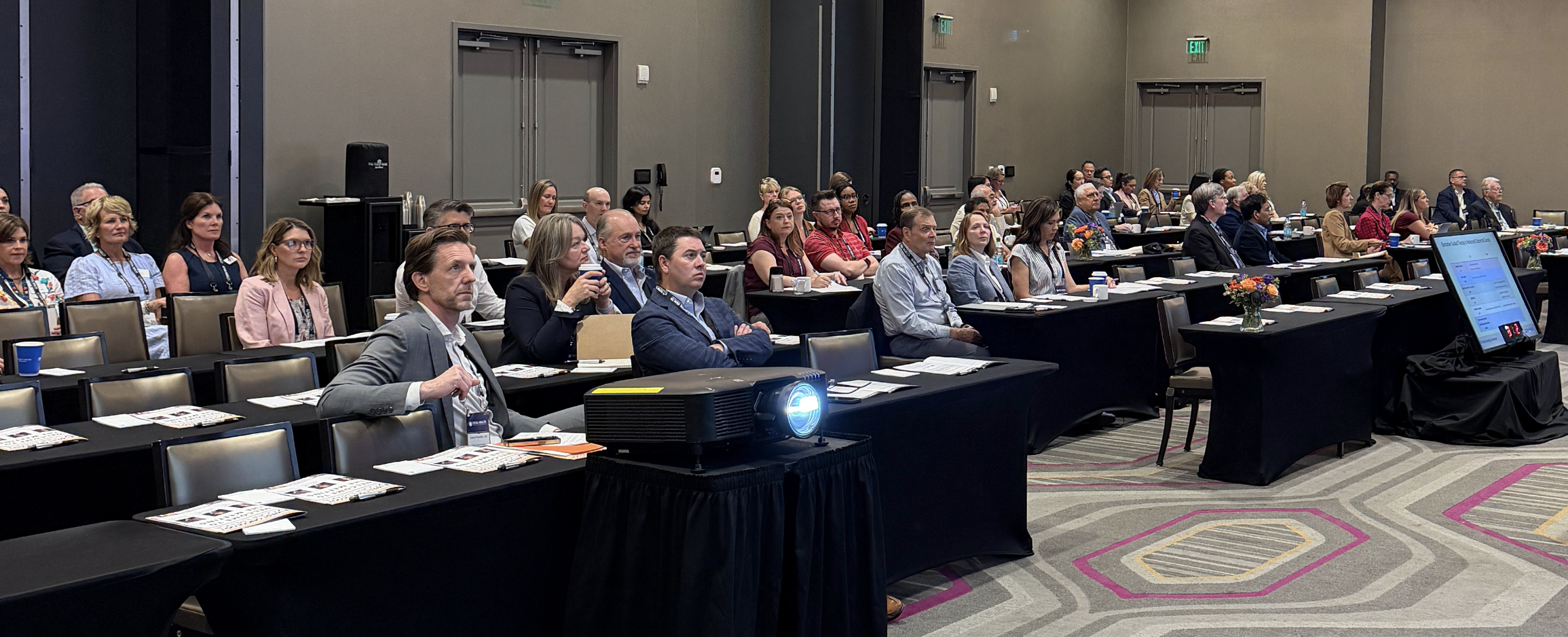
Attendees at this year’s conference were a mix of oncologists/hematologists, surgical oncologists, nurses, advanced practice providers and other healthcare professionals. Our overall attendee feedback for this year’s conference was highly positive, with strong ratings received across educational content, faculty engagement, networking opportunities, and overall meeting quality. Most respondents surveyed were returning Total Health attendees (85%), highlighting a continued loyalty to the West Oncology program and satisfaction with the conference experience. Professional development, networking opportunities, access to current oncology updates, and free educational programming were attendee’s leading reasons for attending.
FULL SESSIONS ARE AVAILABLE ONLINE!
Thanks to our valued sponsors and exhibitors, Total Health is proud, as always, to offer the enduring content from this meeting to our cancer care teams for FREE, available on our YouTube channel here. You can also access the individual presentations from the conference by clicking on the speaker names in the brief summaries below.

DAY 1 HIGHLIGHTS
Gastrointestinal Cancer Updates
Dr Deepak Bhamidipati reviewed several practice-changing developments across colorectal, pancreatic, and gastroesophageal cancers, emphasizing the growing role of biomarker-driven treatment and novel therapeutic strategies. In colorectal cancer, he highlighted the ALASCCA trial, which demonstrated a reduction in recurrence risk with low-dose aspirin in patients with PIK3CA pathway alterations, and the CHALLENGE study, which showed significant disease-free and overall survival benefits with structured exercise following adjuvant therapy. He also discussed the evolving management of dMMR colon cancer, including positive results from the ATOMIC trial evaluating adjuvant atezolizumab and encouraging outcomes with neoadjuvant immunotherapy approaches. In metastatic colorectal cancer, advances in molecularly targeted therapies for BRAF V600E, HER2-positive, KRAS G12C, and MSI-H disease continue to expand treatment options. Additional updates included emerging KRAS inhibitors in pancreatic cancer and increasingly complex biomarker-directed treatment strategies in gastric and gastroesophageal junction cancers, including HER2-, PD-L1-, and CLDN18.2-targeted therapies.
Key Takeaway:
Precision oncology continues to reshape gastrointestinal cancer care, with new data supporting biomarker-guided treatment selection, immunotherapy integration, and even lifestyle interventions that may help improve long-term outcomes.
Gastrointestinal Cancers Panel Discussion and Q&A
Moderator: Paxton Dickson, MD
This interactive panel discussion explored challenging real-world gastrointestinal cancer cases, highlighting the increasing complexity of multidisciplinary decision-making in colorectal, pancreatic, and gastric cancers. Discussion centered on a patient with oligometastatic rectal cancer, where panelists considered the role of comprehensive molecular testing, circulating tumor DNA (ctDNA), sequencing of chemotherapy, radiation, and surgery, and whether a curative-intent approach remained feasible despite metastatic disease. A second case focused on borderline resectable pancreatic cancer in an older patient with marginal performance status, prompting debate regarding optimal use of induction chemotherapy, radiation therapy, and surgical candidacy following treatment response. The final case examined management of mismatch repair-deficient (dMMR) gastric cancer, including the growing role of immunotherapy, interpretation of post-treatment biopsy findings, and management following a pathologic complete response after neoadjuvant nivolumab plus ipilimumab. Throughout the session, faculty emphasized individualized treatment planning, multidisciplinary collaboration, and integration of emerging biomarkers into clinical practice.
Key Takeaway:
As molecular testing and novel therapies reshape GI oncology, multidisciplinary tumor boards remain essential for translating emerging evidence into personalized treatment strategies for complex patients.
Updates in Small Cell Lung Cancer
Dr Jason Porter reviewed the rapidly evolving treatment landscape in small cell lung cancer (SCLC), highlighting advances that are beginning to transform a disease long characterized by limited therapeutic progress. In extensive-stage SCLC, for example, immune checkpoint inhibitors combined with platinum-etoposide remain frontline standards, while consolidation durvalumab following chemoradiation has established a new benchmark for limited-stage disease based on results from the ADRIATIC trial. Dr Porter’s presentation focused on emerging molecular and surface-targeted approaches, including DLL3-directed therapy with tarlatamab and novel antibody-drug conjugates (ADCs) targeting B7-H3 and SEZ6. Dr Porter also discussed the biologic heterogeneity of SCLC, the growing recognition of individual molecular subtypes, and the potential role of circulating tumor DNA (ctDNA) in monitoring resistance and guiding treatment sequencing. He also reviewed promising data for lurbinectedin-based combinations and ifinatamab deruxtecan, underscoring the movement toward more personalized treatment strategies in patients with relapsed disease.
Key Takeaway:
SCLC is entering an era of biomarker-informed therapy, with DLL3-directed agents, emerging ADCs, and molecular monitoring strategies expanding options beyond traditional chemotherapy.
Updates in Non-Small Cell Lung Cancer
Dr Ramakrishna Battini provided a comprehensive overview of recent advances across early-stage and advanced non-small cell lung cancer (NSCLC), emphasizing the importance of molecular profiling and personalized treatment selection. In early-stage disease, Dr Battini reviewed the growing role of perioperative immunotherapy, including CheckMate 816, KEYNOTE-671, AEGEAN, and CheckMate 77T, as well as targeted approaches such as adjuvant osimertinib for EGFR-mutated disease (ADAURA) and adjuvant alectinib for ALK-positive tumors (ALINA). Updates in unresectable stage III disease included the practice-changing LAURA trial, which demonstrated substantial progression-free survival benefits with osimertinib following definitive chemoradiation in EGFR-mutated NSCLC. For advanced disease, Dr Battini highlighted expanding targeted therapy options across multiple actionable biomarkers, including EGFR, ALK, ROS1, MET, RET, KRAS G12C, and HER2 alterations. Emerging data from FLAURA2 and MARIPOSA further support treatment intensification strategies and evolving approaches to resistance management in EGFR-mutated NSCLC.
Key Takeaway:
Comprehensive biomarker testing remains the foundation of modern NSCLC care, enabling increasingly individualized treatment strategies across both early-stage and metastatic disease.
Lung Cancer Panel Discussion and Q&A
Moderator: Ramakrishna Battini, MD
This multidisciplinary panel discussion focused on challenging real-world cases that highlighted the growing complexity of treatment selection in both non-small cell and small cell lung cancer. Through a series of patient cases, faculty explored the clinical integration of comprehensive genomic profiling, liquid biopsy testing, targeted therapies, immunotherapy, radiation, and emerging agents. Discussion included management of an older patient with a HER2 exon 20-mutated lung adenocarcinoma who experienced tumor shrinkage with zongertinib prior to stereotactic body radiation therapy (SBRT), treatment sequencing following progression in EGFR-mutated NSCLC, and evolving strategies for relapsed extensive-stage SCLC after exposure to tarlatamab and lurbinectedin. Panelists also debated optimal duration of immunotherapy in metastatic NSCLC, the role of local consolidative therapies in patients achieving deep responses, and the strengths and limitations of biomarkers such as PD-L1 expression, tumor mutational burden, and co-mutation profiles. The discussion emphasized individualized care, multidisciplinary collaboration, and the importance of matching treatment selection to both molecular findings and patient-specific factors.
Key Takeaway:
As treatment options continue to expand, optimal lung cancer care increasingly depends on integrating molecular diagnostics, patient characteristics, and multidisciplinary expertise to guide individualized treatment decisions.
MRD as an Endpoint in Multiple Myeloma
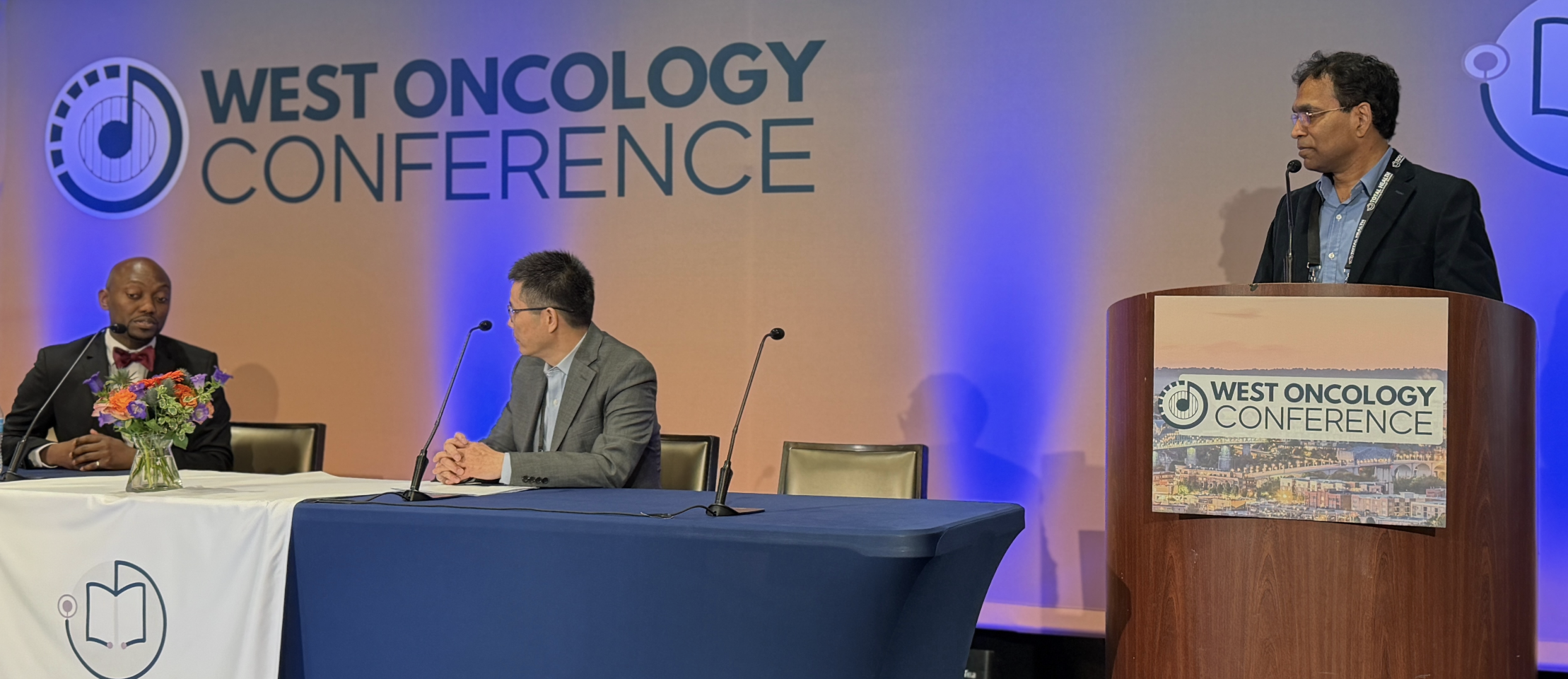
Dr Salil Goorha reviewed the evolving role of minimal residual disease (MRD) assessment in multiple myeloma, emphasizing its growing importance as both a prognostic biomarker and a clinical trial endpoint. He outlined current MRD detection methods, including next-generation flow cytometry, next-generation sequencing, PET/CT, and emerging blood-based approaches, noting that bone marrow–based assays remain the gold standard. The presentation highlighted data demonstrating that MRD negativity is strongly associated with prolonged progression-free and overall survival, while sustained MRD negativity appears to be an even more powerful predictor of long-term outcomes. Dr Goorha discussed landmark studies including GEM2012 and PERSEUS, which support MRD-guided treatment strategies and potential therapy de-escalation in selected patients. He also reviewed the limitations of MRD testing, including sampling variability and challenges in high-risk disease, while underscoring its expanding role in treatment monitoring and future clinical trial design.
Key Takeaway:
Sustained MRD negativity is emerging as one of the strongest predictors of long-term outcomes in multiple myeloma and may increasingly guide treatment duration and clinical trial design.
AML and Molecular Targets with MRD Testing
Dr Alice Mims reviewed contemporary approaches to measurable residual disease (MRD) assessment in acute myeloid leukemia (AML), highlighting how molecular testing is reshaping risk stratification and treatment decisions. Using case-based discussions, she examined the clinical utility of MRD monitoring in FLT3-ITD– and NPM1-mutated AML, emphasizing the importance of highly sensitive assays and appropriate testing intervals. Data from recent studies demonstrated that persistent MRD identifies patients at increased risk for relapse, while MRD status can help inform decisions regarding allogeneic stem cell transplantation and post-transplant maintenance therapy. Dr Mims also discussed emerging targeted approaches, including FLT3 inhibitor maintenance and the expanding role of menin inhibitors for relapsed or refractory NPM1- and KMT2A-rearranged AML. She concluded by noting that although MRD testing continues to evolve, molecular monitoring is becoming increasingly integrated into personalized AML management and future therapeutic strategies.
Key Takeaway:
MRD assessment is becoming central to AML management, helping identify patients at highest risk for relapse and informing decisions regarding transplantation, maintenance therapy, and targeted treatment selection.
Preparing a Patient for CAR-T: Guidance to Community Oncologists
Dr Bryan Huber provided a practical overview of how community oncologists can optimize patient access to chimeric antigen receptor T-cell (CAR-T) therapy through timely referral and coordinated multidisciplinary care. Using real-world cases, he highlighted common barriers that prevent eligible patients from receiving CAR-T, including delayed referrals, limited provider familiarity with eligibility criteria, patient concerns regarding toxicity, logistical challenges, and insurance-related delays. The presentation emphasized that referral should occur early - often at first relapse or primary refractory disease - rather than after multiple unsuccessful treatment attempts. Dr Huber also reviewed current bridging therapy strategies, considerations for disease control prior to infusion, and the importance of communication between community practices and specialized CAR-T centers. He also discussed patient education, caregiver requirements, and management of treatment-related toxicities, reinforcing the critical role of community oncologists in facilitating successful CAR-T outcomes.
Key Takeaway:
The most important factor in successful CAR-T therapy is early referral, allowing sufficient time for evaluation, cell collection, bridging therapy, and coordination with specialized treatment centers.
Hematologic Tumors Panel Discussion and Q&A
This interactive panel used challenging real-world cases to explore the application of MRD testing, transplantation, and cellular therapy across multiple myeloma and acute myeloid leukemia (AML). Discussion included management of a newly diagnosed older patient with multiple myeloma who achieved deep remission and MRD negativity following quadruplet induction therapy, prompting debate regarding the role of autologous stem cell transplantation in older versus younger patients. Additional cases examined treatment decisions for favorable-risk AML with measurable residual disease monitoring, including the interpretation of molecular remission and ongoing therapy selection. The panel also reviewed a patient with high-risk multiple myeloma who experienced early relapse after transplant and maintenance therapy, focusing on referral timing, bridging strategies, and preparation for CAR-T therapy. Throughout the session, faculty emphasized individualized treatment planning, integration of MRD testing into clinical decision-making, and the growing role of cellular therapies in hematologic malignancies.
Key Takeaway:
MRD assessment, risk-adapted treatment selection, and timely referral for transplant or cellular therapy are increasingly central to optimizing outcomes across hematologic malignancies.

Solid Molecular Tumor Board Panel Discussion
Moderator: Ari VanderWalde, MD
This multidisciplinary molecular tumor board highlighted the growing role of comprehensive genomic profiling, artificial intelligence (AI)-driven tumor classification, and circulating tumor DNA (ctDNA) technologies in managing complex solid tumors. Faculty members from West Cancer Center, Caris Life Sciences, Guardant Health, and Natera presented real-world cases demonstrating how molecular testing can alter diagnoses, guide treatment selection, and improve disease monitoring.
The first case involved a 60-year-old man initially diagnosed with metastatic squamous cell lung cancer based on pathology and imaging. Molecular profiling, however, identified a high tumor mutational burden, ultraviolet mutational signature, SOX10 and PRAME expression, and an NRAS/TERT mutational profile more consistent with melanoma. AI-based tissue-of-origin analysis predicted melanoma with 99% probability, leading clinicians to reclassify the cancer and switch treatment from chemoimmunotherapy to ipilimumab plus nivolumab. The patient subsequently experienced a marked radiographic response, illustrating how integrated molecular analyses can resolve diagnostic uncertainty and dramatically alter management.
The second case focused on a 66-year-old woman with metastatic ALK-positive non-small cell lung cancer. Plasma-based molecular profiling identified an EML4-ALK fusion, allowing initiation of lorlatinib. Serial liquid biopsy monitoring demonstrated clearance of detectable circulating tumor DNA, which paralleled clinical improvement and radiographic response. The discussion highlighted the increasing role of liquid biopsy in identifying actionable alterations and tracking treatment response over time.
The third case involved a 41-year-old woman with locally advanced rectal cancer who underwent total neoadjuvant therapy, surgery, and multiple liver-directed interventions. Serial Signatera ctDNA testing repeatedly identified molecular residual disease before radiographic recurrence became apparent and correlated closely with disease burden throughout treatment. The panel discussed how ctDNA monitoring may complement imaging, identify recurrence earlier, and potentially guide surveillance strategies in oligometastatic colorectal cancer.
The session concluded with a broader discussion of molecular testing platforms, emphasizing that modern profiling extends beyond DNA sequencing to include RNA expression, methylation signatures, protein analyses, tissue-of-origin classifiers, as well as MRD assessment. Panelists noted that AI-driven tools and longitudinal ctDNA monitoring are increasingly influencing both diagnostic and therapeutic decision-making across the solid tumors.
Key Takeaway:
Comprehensive molecular profiling—including DNA, RNA, AI-based tissue-of-origin prediction, and ctDNA monitoring—can fundamentally change diagnosis, treatment selection, and disease surveillance in patients with solid tumors.
“I was worried this would be really physician focused, but what I learned was so applicable to the work we are doing in our clinic... My boss wants me to go to ASCO in Chicago, and I didn’t want to go but after this, I think I might go!”
Liquid Molecular Tumor Board Panel Discussion
Moderator: Jason Chandler, MD
This case-based molecular tumor board explored how advanced genomic testing is reshaping the diagnosis, prognostication, and management of hematologic malignancies. Through several challenging cases, panelists demonstrated how molecular profiling often provides critical information beyond the conventional cytogenetics and morphology.
The first case involved a 68-year-old patient with AML characterized by complex cytogenetic abnormalities, including chromosome 5 and 17p deletions. Initial treatment decisions were made before next-generation sequencing results became available; however, subsequent identification of a TP53 mutation with a high variant allele frequency significantly altered the patient’s risk assessment. The discussion focused on emerging disease classifications that increasingly incorporate TP53 status, emphasizing its profound prognostic implications and influence on therapeutic planning.
The second case highlighted a 35-year-old patient whose leukemia demonstrated remarkable lineage plasticity. Initially diagnosed with B-cell acute lymphoblastic leukemia harboring a KMT2A::AFF1 rearrangement, the disease later evolved into an AML phenotype before reverting toward an ALL phenotype. Despite intensive treatment strategies, including FLAG-IDA plus venetoclax, revumenib-based therapy, consideration of CAR-T therapy, and transplant planning, the patient ultimately died from refractory disease. The case illustrated the biological complexity of KMT2A-rearranged leukemias and the challenges of treating lineage-switch disease.
The third case examined a patient diagnosed with chronic myeloid leukemia during adolescence who achieved a prolonged remission after interferon therapy before developing recurrent disease decades later. Molecular testing identified a TET2 mutation alongside persistent BCR::ABL1 positivity, raising questions regarding coexistence of myelodysplastic and myeloproliferative features. Longitudinal molecular monitoring demonstrated progressive reduction of BCR::ABL1 transcripts with imatinib therapy and normalization of blood counts, illustrating how serial molecular assessment can clarify clonal evolution and treatment response.
Throughout the discussion, faculty emphasized that modern hematologic oncology increasingly relies on integrated molecular diagnostics, including next-generation sequencing, cytogenetics, copy-number analysis, and serial molecular monitoring. These tools not only refine diagnosis and prognostication but also provide insight into clonal evolution, treatment resistance, and disease biology that may not be apparent through traditional testing alone.
Key Takeaway:
Advanced molecular profiling is becoming indispensable in hematologic malignancies, providing critical prognostic information, revealing clonal evolution, and guiding increasingly personalized treatment strategies.
DAY 2 HIGHLIGHTS
Updates in Non-Prostate Genitourinary Cancers
Dr Sandy Srinivas reviewed major advances in renal cell carcinoma (RCC) and muscle-invasive bladder cancer (MIBC), focusing on recent phase 3 studies that continue to reshape perioperative and metastatic treatment strategies. In RCC, she discussed the evolving role of adjuvant therapy, highlighting the durable overall survival benefit observed with pembrolizumab in KEYNOTE-564 while also examining ongoing controversies regarding overtreatment, toxicity, and patient selection. New data from LITESPARK-022 demonstrated improved disease-free survival with the addition of belzutifan to adjuvant pembrolizumab, although questions remain regarding overall survival benefit, toxicity, and cost. For refractory RCC, results from LITESPARK-011 established belzutifan plus lenvatinib as a promising option for patients following prior immunotherapy.
The second half of Dr Srinivas’ presentation focused on bladder cancer, where perioperative immunotherapy and antibody-drug conjugate combinations have rapidly changed standards of care. Dr Srinivas reviewed NIAGARA, EV-303, and EV-304, which demonstrated significant improvements in event-free survival, overall survival, and pathologic complete response rates with perioperative immunotherapy-based approaches. She suggested that perioperative enfortumab vedotin plus pembrolizumab is likely to become a preferred strategy for many patients with MIBC, while emphasizing the growing importance of ctDNA-guided treatment decisions.
Key Takeaway:
The treatment landscape for both RCC and bladder cancer continues to evolve rapidly, with perioperative immunotherapy and novel targeted combinations improving outcomes while raising new questions regarding patient selection, toxicity, and ctDNA-guided treatment strategies.
Updates in Prostate Cancer
Dr Daniel Vaena provided a comprehensive overview of emerging developments in metastatic prostate cancer, emphasizing how molecular profiling is increasingly shaping treatment selection across disease states. He reviewed key unanswered questions in metastatic castration-sensitive prostate cancer (mCSPC), including whether homologous recombination repair (HRR) alterations, PTEN loss, and other molecular biomarkers should guide upfront treatment intensification. Recent studies evaluating combinations of androgen deprivation therapy (ADT), androgen receptor pathway inhibitors (ARPIs), PARP inhibitors, and PSMA-targeted radioligand therapy suggest that molecularly selected approaches may further improve outcomes.
In metastatic castration-resistant prostate cancer (mCRPC), Dr Vaena highlighted the expanding therapeutic landscape, including novel antibody-drug conjugates, T-cell engagers, epigenetic therapies, androgen receptor degraders, and next-generation radioligand therapies. He also discussed the forthcoming Prostate Cancer Working Group 4 (PCWG4) recommendations, which are expected to further refine disease classification and trial interpretation in the PSMA PET era. Throughout the presentation, he stressed that increasing molecular heterogeneity and a growing number of effective therapies will make treatment sequencing progressively more complex, underscoring the importance of biomarker-driven decision-making.
Key Takeaway:
Molecular profiling is becoming central to prostate cancer management, with biomarker-driven treatment selection, radioligand therapies, and novel targeted agents poised to further transform care across both mCSPC and mCRPC.
Genitourinary Cancers Panel Discussion and Q&A
Moderator: Brad Somer, MD
This interactive panel brought together experts in bladder, kidney, and prostate cancer to discuss challenging clinical cases that highlighted the growing role of molecular testing, ctDNA monitoring, and individualized treatment selection in genitourinary malignancies. Panelists reviewed a patient with muscle-invasive bladder cancer who received neoadjuvant gemcitabine, cisplatin, and durvalumab prior to cystectomy, followed by postoperative ctDNA positivity and evidence of isolated nodal recurrence. Discussion centered on the interpretation of ctDNA results, management of oligometastatic relapse, and integration of perioperative immunotherapy strategies.
Additional cases examined metastatic hormone-sensitive prostate cancer with extensive PSMA-avid liver and bone metastases, emphasizing how molecular profiling may inform treatment intensification and sequencing decisions. The panel also reviewed a patient with recurrent high-risk clear cell RCC, using prognostic nomograms to assess recurrence risk and guide discussions regarding adjuvant therapy. Throughout the session, faculty emphasized risk-adapted treatment planning, multidisciplinary decision-making, and the increasing value of molecular diagnostics in contemporary GU oncology practice.
Key Takeaway:
Modern management of genitourinary cancers increasingly relies on integrating molecular testing, ctDNA assessment, advanced imaging, and individualized risk stratification to guide treatment decisions across bladder, prostate, and kidney cancers.
Where Is AI Going in Oncology?
Dr Ravi Parikh explored the current and future role of artificial intelligence (AI) in oncology, arguing that the most immediate impact of AI will come not from autonomous clinical decision-making but from human-AI collaboration. Using a prostate cancer case study, he demonstrated how AI is already being applied across the continuum of care, including AI-assisted pathology interpretation, prognostic modeling, earlier identification of disease progression, and automated clinical trial matching. These applications have the potential to accelerate diagnosis, optimize treatment selection, and improve access to research opportunities.
A major theme of Dr Parikh’s presentation was the distinction between autonomous AI and assistive AI. He argued that trust, not simply accuracy, will determine adoption in oncology practice. He highlighted successful real-world examples such as ambient AI scribes, automated patient messaging, and AI-assisted clinical trial prescreening, while cautioning that fully autonomous systems continue to underperform human-guided workflows in complex clinical tasks. Data from multiple studies demonstrated that “centaur” models, in which clinicians and AI work together, consistently outperform either humans or AI alone.
Looking forward, Dr Parikh described emerging applications in clinical research, including AI-assisted protocol development, automated translation of eligibility criteria into computable queries, digital twin models that estimate how individual patients might perform on clinical trial regimens, and large language model–driven trial matching systems. He emphasized that widespread implementation will require rigorous evaluation of transparency, bias, explainability, privacy, and trustworthiness. Importantly, he highlighted how biased training data can perpetuate healthcare disparities, particularly among historically underserved populations, reinforcing the need for representative datasets and equitable model development.
Key Takeaway:
The future of AI in oncology is likely to be collaborative rather than autonomous, with the greatest near-term benefits coming from tools that augment clinician efficiency, improve trial access, and support decision-making while maintaining human oversight.
Threats and Opportunities of the Inflation Reduction Act and Most Favored Nation Policies in Oncology
Dr Barbara McAneny provided a practice-focused review of the Inflation Reduction Act (IRA) and its anticipated impact on oncology care delivery. She began by outlining the financial pressures already facing community oncology practices, including decades of declining Medicare reimbursement, inadequate practice expense updates, consolidation within healthcare systems, and competition from 340B hospitals. Against this backdrop, she argued that implementation of Medicare drug price negotiation provisions could significantly alter oncology practice economics.
Her presentation reviewed the three major IRA drug pricing reforms: Medicare drug price negotiation, inflation rebates, and Medicare Part D redesign. Dr McAneny focused primarily on the Maximum Fair Price (MFP) negotiation process and the operational challenges associated with implementation. She discussed proposed Medicare Transaction Facilitator mechanisms, reimbursement pathways, inventory management concerns, and the potential impact on physician drug margins. Modeling analyses presented during the session suggested that oncology practices could experience substantial reductions in add-on reimbursement under current proposals.
Dr McAneny expressed concern that reduced reimbursement could accelerate consolidation of cancer care into hospital systems, potentially increasing overall healthcare costs while reducing access in rural and underserved communities. She reviewed advocacy efforts, including the Protecting Patient Access to Cancer and Complex Therapies Act (Barrasso Bill), which seeks to preserve ASP+6% reimbursement while maintaining patient savings from negotiated drug prices. She also discussed operational strategies practices may pursue to remain financially viable, including diversification of services, radiopharmaceutical programs, imaging, research participation, and value-based care models such as the ONCare Alliance MASON proposal.
Key Takeaway:
While the IRA may reduce drug spending for Medicare beneficiaries, community oncology leaders remain concerned about unintended consequences for independent practices, including reduced reimbursement, increased consolidation, and potential barriers to patient access.
Transitioning to Outpatient BiTE Therapy
Dr Jason Chandler discussed practical strategies for safely transitioning bispecific T-cell engager (BiTE) therapies from inpatient to outpatient administration. He reviewed the rapid expansion of approved bispecific antibodies across multiple malignancies, including acute lymphoblastic leukemia, lymphoma, multiple myeloma, uveal melanoma, and small cell lung cancer. Because these agents offer efficacy approaching that of cellular therapies while remaining “off-the-shelf” products, their use is expected to continue growing significantly.
A central challenge is management of cytokine release syndrome (CRS) and immune effector cell-associated neurotoxicity syndrome (ICANS), which have historically required hospitalization during step-up dosing. Dr Chandler reviewed current package insert requirements, risk mitigation programs, and institutional workflows designed to recognize and manage these toxicities. He emphasized that successful outpatient administration requires extensive infrastructure, including standardized assessment tools, caregiver education, dedicated monitoring pathways, emergency department coordination, and rapid access to interventions such as dexamethasone and tocilizumab.
Dr Chandler’s presentation also highlighted emerging evidence supporting prophylactic tocilizumab administration before initial teclistamab dosing to reduce CRS risk. He outlined key patient selection criteria for outpatient therapy, including proximity to the treatment center, availability of a 24-hour caregiver, disease burden assessment, and baseline risk factors associated with severe CRS. Although outpatient administration offers important advantages, including improved patient convenience, reduced hospital bed utilization, and lower healthcare resource consumption, Dr Chandler acknowledged that substantial investment in infrastructure, staffing, and monitoring systems is required to implement these programs safely.
Key Takeaway:
Outpatient administration of bispecific antibodies appears feasible for carefully selected patients when supported by robust monitoring protocols, caregiver engagement, and rapid-response toxicity management pathways, offering a potential model to expand access while reducing inpatient resource utilization.
Management of HER2-Low and HER2-Ultralow Breast Cancer
Dr Gregory Vidal reviewed the rapidly evolving HER2-low and HER2-ultralow metastatic breast cancer (mBC) landscape, emphasizing that HER2 expression should now be viewed as a biologic spectrum rather than a binary yes-no classification. Approximately 60% of HER2-negative metastatic breast cancers are HER2-low and an additional 15% to 20% may be HER2-ultralow, creating a large patient population eligible for HER2-directed antibody-drug conjugates (ADCs). He highlighted significant challenges in HER2 testing, including poor reproducibility between IHC 0 and IHC 1+ scoring and substantial discordance between primary and metastatic biopsies, reinforcing the importance of repeat biopsies and expert pathology review when treatment decisions depend on HER2 status.
The presentation centered on the DESTINY-Breast04 and DESTINY-Breast06 trials. DESTINY-Breast04 established trastuzumab deruxtecan (T-DXd) as a standard therapy for previously treated HER2-low mBC, demonstrating significant improvements in progression-free survival (PFS) and overall survival (OS) compared with physician’s choice chemotherapy. Updated analyses continued to show durable benefit across hormone receptor (HR)-positive and HR-negative populations.
Dr Vidal then discussed DESTINY-Breast06, which expanded eligibility to include HER2-ultralow disease and moved T-DXd earlier in the treatment paradigm. In endocrine-refractory HR-positive disease, he noted that T-DXd achieved a median PFS of 13.2 months versus 8.1 months with chemotherapy, extending benefit beyond traditional HER2-low populations. These data have already influenced major guideline recommendations and support the concept that even minimal HER2 expression may be therapeutically actionable.
A major portion of Dr Vidal’s presentation focused on ADC sequencing and toxicity management. He noted that the optimal sequence of T-DXd and sacituzumab govitecan remains uncertain, with real-world data suggesting modest efficacy for sequential TOP1 ADC use. He emphasized that interstitial lung disease (ILD) remains the defining toxicity of T-DXd and requires proactive monitoring, early recognition, and prompt intervention. Baseline and serial CT imaging, patient education, and aggressive steroid management were presented as essential components of safe T-DXd administration. Prior ILD has also emerged as the strongest identified risk factor for recurrent pulmonary toxicity.
Key Takeaway:
HER2-low and HER2-ultralow disease have become clinically actionable subsets of metastatic breast cancer. While T-DXd has fundamentally altered treatment algorithms, accurate HER2 testing and vigilant ILD monitoring remain critical for optimal patient outcomes.
Management of HER2-Positive Metastatic Breast Cancer
Dr Amina Chaudhry reviewed the rapidly changing first-line treatment landscape for HER2-positive metastatic breast cancer (mBC), focusing on recent practice-changing data from DESTINY-Breast09, PATINA, and HER2CLIMB-05. Historically, CLEOPATRA established docetaxel, trastuzumab, and pertuzumab (THP) as the standard first-line regimen, producing unprecedented long-term survival outcomes. Recent data, however, now suggest that the field may be entering a new era dominated by ADC-based approaches.
The centerpiece of Dr Chaudhry’s presentation was DESTINY-Breast09, which compared T-DXd plus pertuzumab against standard THP. Results demonstrated a substantial progression-free survival benefit favoring T-DXd plus pertuzumab, with median PFS extending beyond 40 months compared with approximately 27 months for THP. These findings led to FDA approval of T-DXd plus pertuzumab in December 2025 and prompted significant updates to treatment guidelines. Dr Chaudhry noted that questions remain regarding overall survival because relatively few patients in the control arm subsequently received T-DXd.
Dr Chaudhry also reviewed subgroup analyses examining hormone receptor status and PIK3CA mutation status. Although PIK3CA mutations have historically been associated with inferior outcomes using THP-based therapy, T-DXd plus pertuzumab demonstrated consistent benefit regardless of mutation status, suggesting that ADC-based approaches may partially overcome the adverse prognostic impact of PI3K pathway alterations.
The PATINA study was highlighted as another important development, with addition of palbociclib to anti-HER2 therapy plus endocrine therapy significantly improving PFS in patients with HR-positive/HER2-positive disease and, notably, appearing to reduce the incidence of central nervous system progression. Similarly, HER2CLIMB-05 demonstrated clinically meaningful PFS improvements with tucatinib-containing maintenance therapy after induction THP, particularly among patients at risk for CNS involvement.
As in the HER2-low presentation, ILD was noted as a central concern, with Dr Chaudhry emphasizing routine CT monitoring, patient education, early steroid initiation, and permanent discontinuation of T-DXd for grade ≥2 ILD. She further noted that early detection remains the most effective strategy for preventing severe pulmonary complications.
Key Takeaway:
T-DXd plus pertuzumab is poised to redefine first-line treatment for HER2-positive metastatic breast cancer, while emerging maintenance strategies incorporating palbociclib or tucatinib may further improve disease control and CNS outcomes.
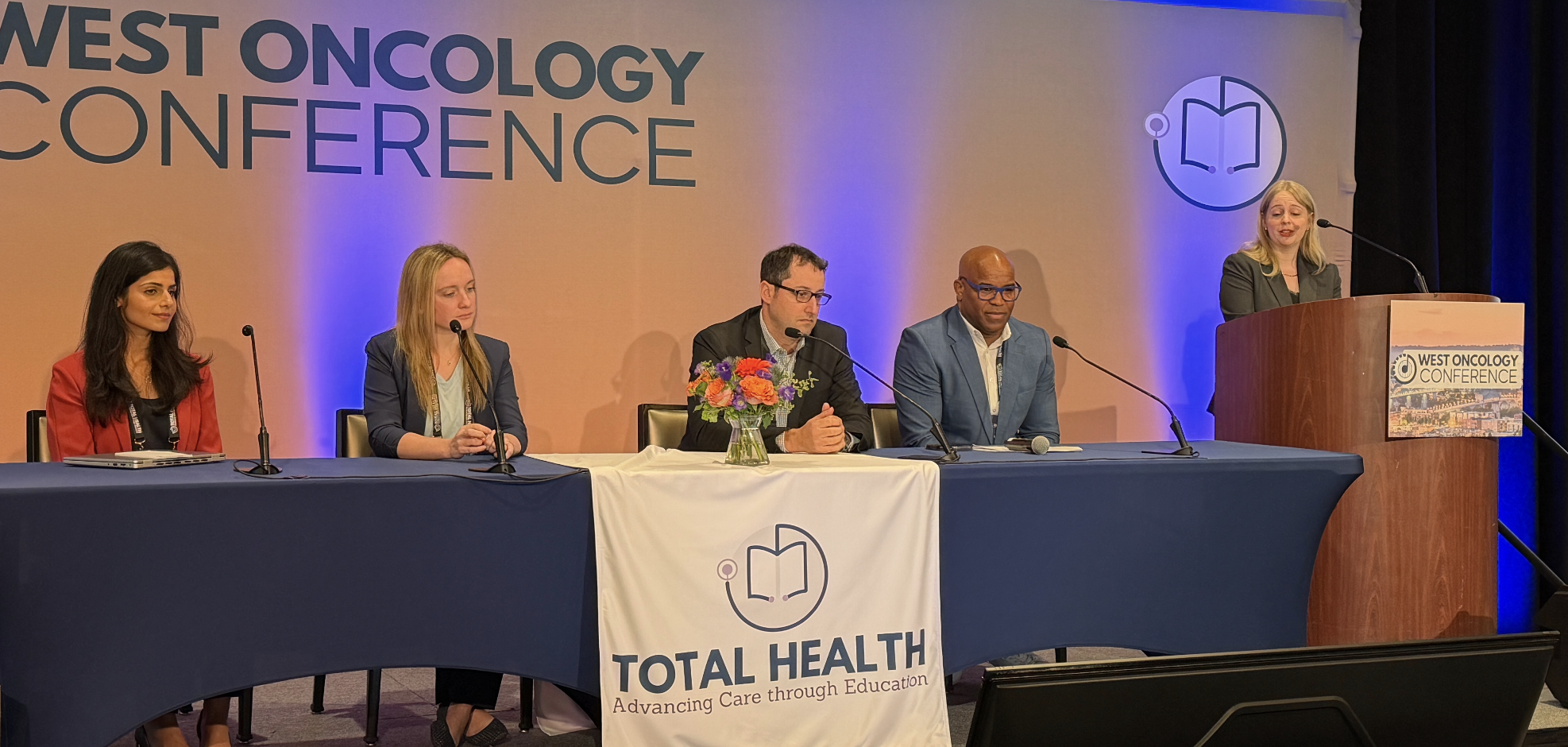
Breast Cancer Panel Discussion and Q&A
Moderator: Darcy Eastwood, MD
The breast cancer panel discussion used a clinical case to explore multidisciplinary decision-making in early-stage HR-positive, HER2-negative breast cancer. The case involved a 60-year-old postmenopausal woman with a 1.8-cm grade 2 invasive ductal carcinoma, ER/PR-positive, HER2 1+, low Ki-67, high-risk MammaPrint result, negative germline testing, and node-negative disease after breast-conserving surgery.
The discussion focused on three major management domains: surgical decision-making, radiation planning, and systemic therapy selection. Surgical questions centered on whether sentinel lymph node biopsy (SLNB) could have been omitted in a patient meeting emerging de-escalation criteria and what oncoplastic techniques could optimize cosmetic outcomes while preserving oncologic safety.
Radiation oncology discussion addressed contemporary options for adjuvant radiotherapy following breast-conserving surgery, including considerations surrounding hypofractionation, partial-breast irradiation, and patient-specific factors that influence treatment selection.
The systemic therapy portion generated the most debate. Panelists discussed the role of genomic assays in treatment decision-making, specifically whether an Oncotype DX assay would add clinically meaningful information in a patient who already had a high-risk MammaPrint result. The conversation highlighted ongoing challenges in integrating multiple genomic platforms into treatment decisions and balancing genomic risk with traditional clinicopathologic factors when considering adjuvant chemotherapy.
Key Takeaway:
The panel emphasized individualized multidisciplinary management, highlighting evolving trends toward surgical de-escalation, personalized radiation strategies, and increasingly nuanced integration of genomic assays into adjuvant treatment planning for early-stage breast cancer.
“The doctors were so great and so friendly to chat with after the panel too!”
Thank You!
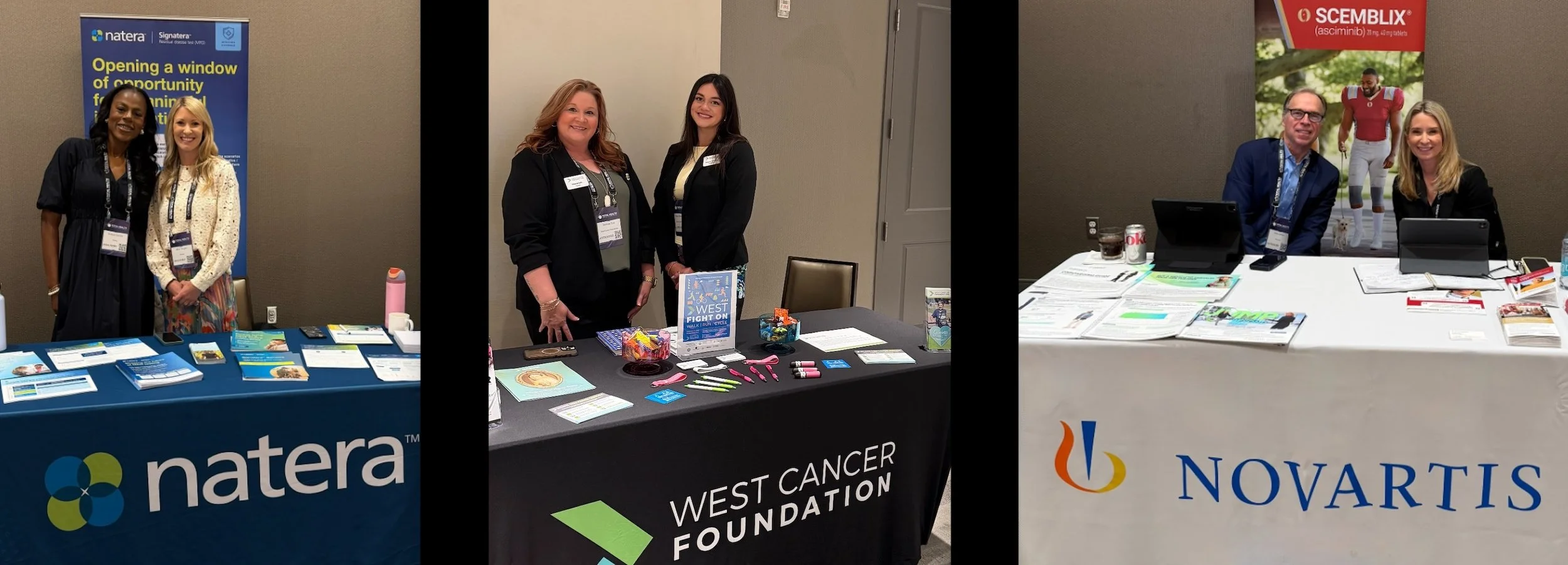
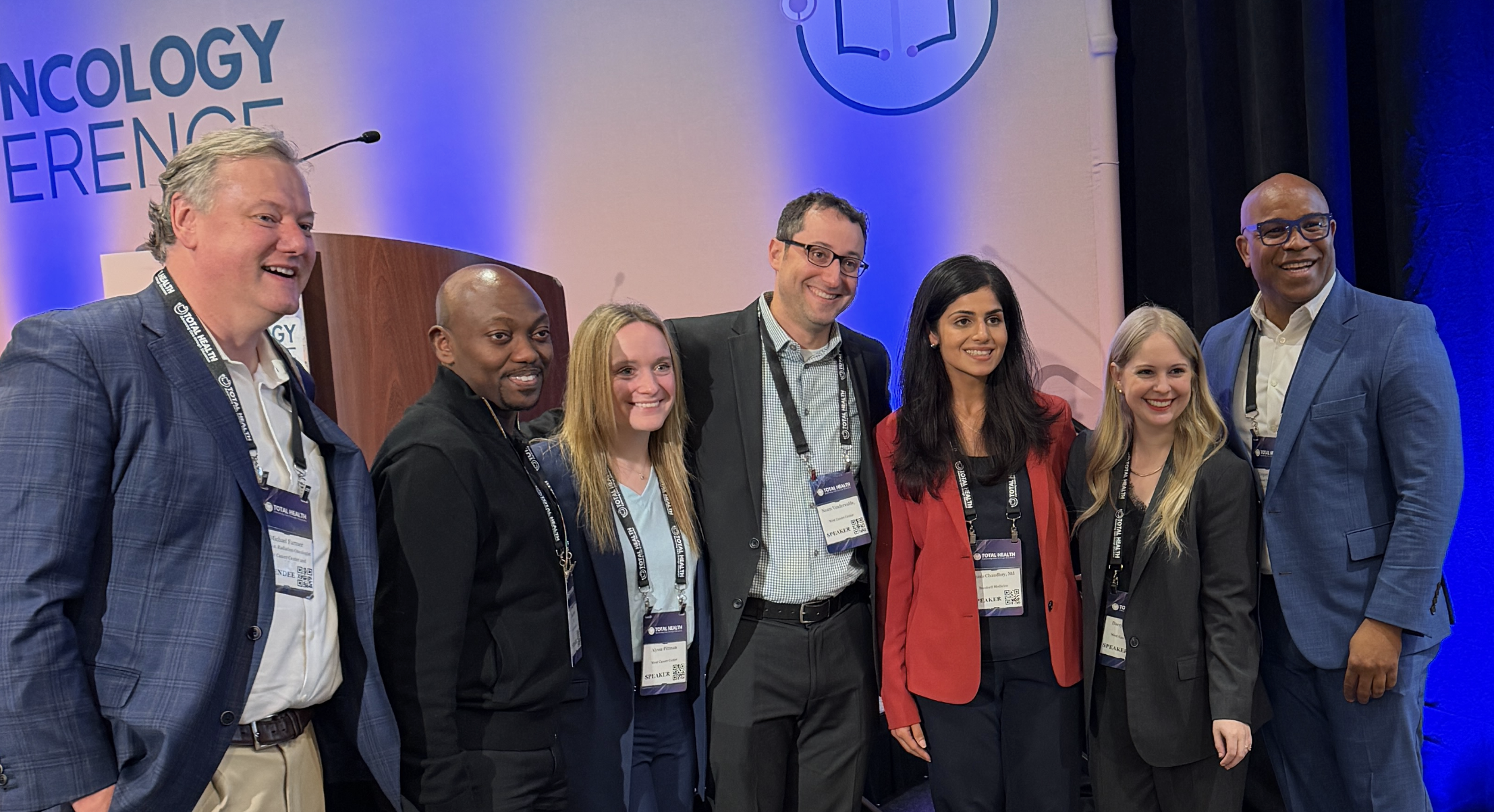
On behalf of the Total Health team and our West Oncology Program Chairs, Dr Brad Somer, Dr Gregory Vidal, and Dr Jason Chandler, our sincere thanks to all our in-person attendees, and to our valued exhibitors, for making this year’s conference such a success, and for allowing us to keep this program and others, as always, free to attend for our cancer care teams!

Your Total Health On-site Team (left to right): Program Coordinators Taylor Love and Keeton Holcomb, Sales Assistant, Autumn Weber. Not pictured: West Oncology Program Lead and Total Health Program Director, Reyna Rubin.