
AFTER the MEETING- with Total Health
This past September, Total Health Oncology was proud to once agin host the annual meeting of the Oncology Nursing Society, Metro Denver Chapter (MDONS 2026) at the Denver Marriott West Hotel in Denver, Colorado! This focused, one-day hybrid program featured both in-state and out of state expert speakers covering a range of timely topics in oncology nursing from a multidisciplinary perspective. Attendees at this year’s MDONS had a strong interest in sessions on radiology, pathology, imaging, and myelodysplastic syndromes. This year we hosted a predominantly nursing audience (77%) of 294 learners, with 170 in-person and 124 virtual attendees.
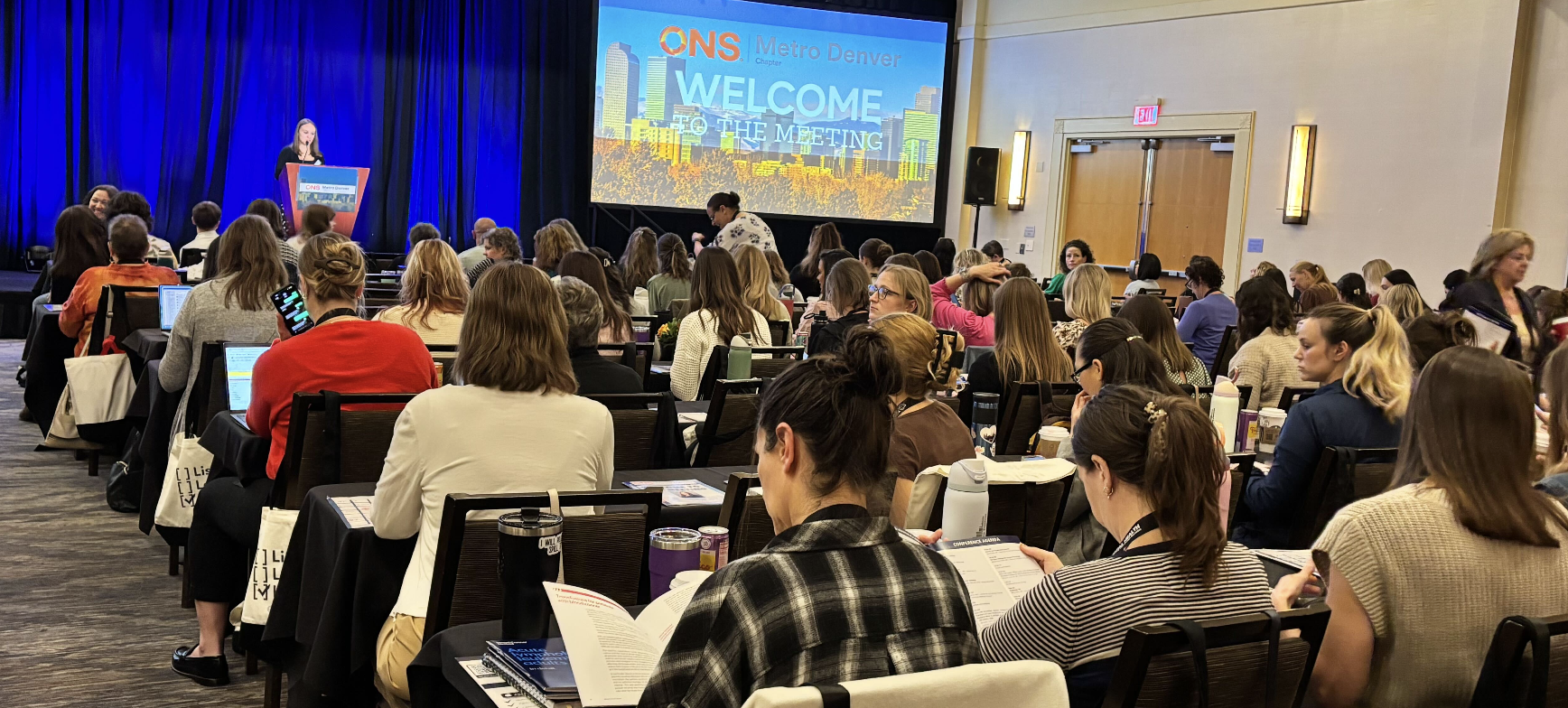
“All of the speakers were fantastic! The topics covered were so relevant. The sarcoma talk was fantastic. The radiology talk was fantastic. Siri Lindley was so impressive. I feel so lucky to have heard her speak and hear her message.”
Content Now Available on YouTube!
You can find the full playlist from MDONS 2026 on our YouTube Channel here
SESSION HIGHLIGHTS
Desmoid Tumors 101
Speaker: Anne Mailhot, PA-C
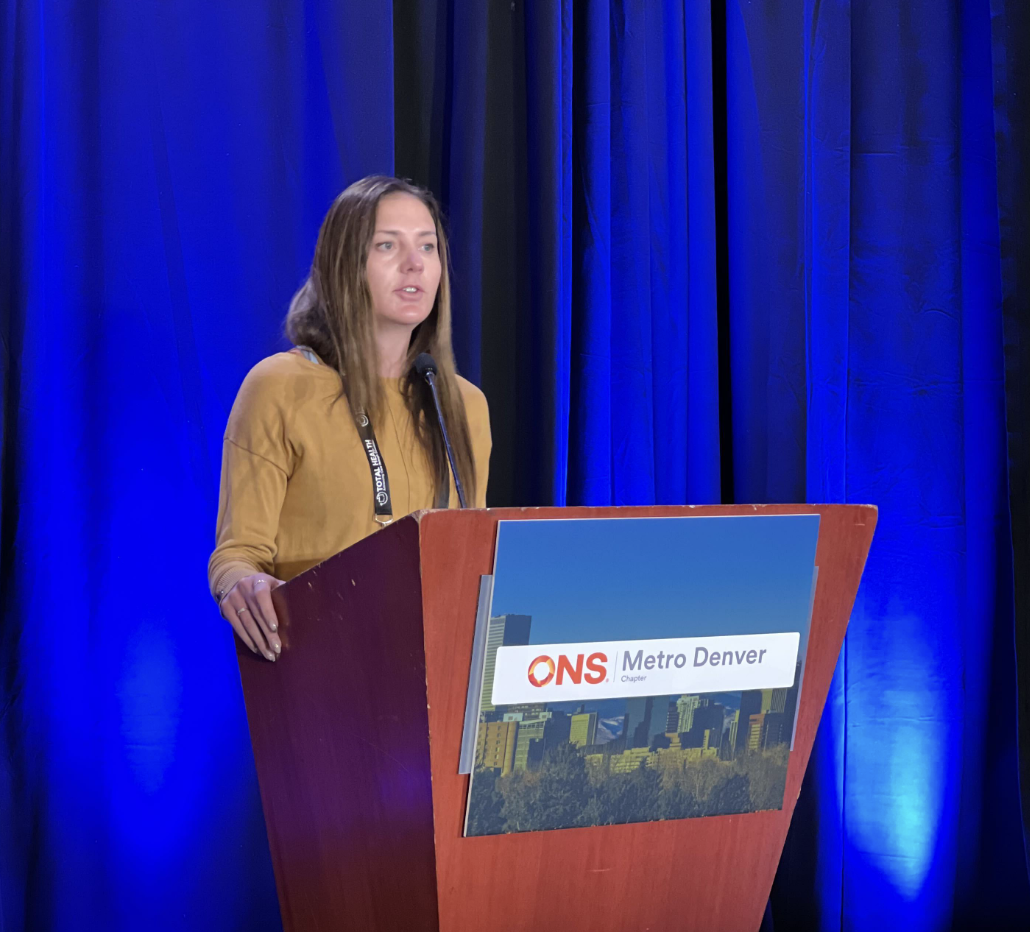
Desmoid tumors are rare, non-metastasizing tumors that can nevertheless cause substantial morbidity through locally aggressive growth. In her presentation, Anne Mailhot, PA-C explained how these tumors may infiltrate surrounding structures, producing pain, impaired mobility, disfigurement, and psychological distress. She reviewed their association with familial adenomatous polyposis, APC alterations, and the Wnt signaling pathway, as well as possible relationships with trauma and pregnancy. Because tumor behavior is unpredictable, she noted that management requires individualized decisions rather than assuming immediate surgery is appropriate. For oncology nurses and APPs, priorities include patient education, symptom assessment, functional monitoring, and addressing anxiety surrounding a diagnosis that may be unfamiliar to patients.
Pathology: What Am I Supposed to Say Again?
Speaker: Michael Clay, MD
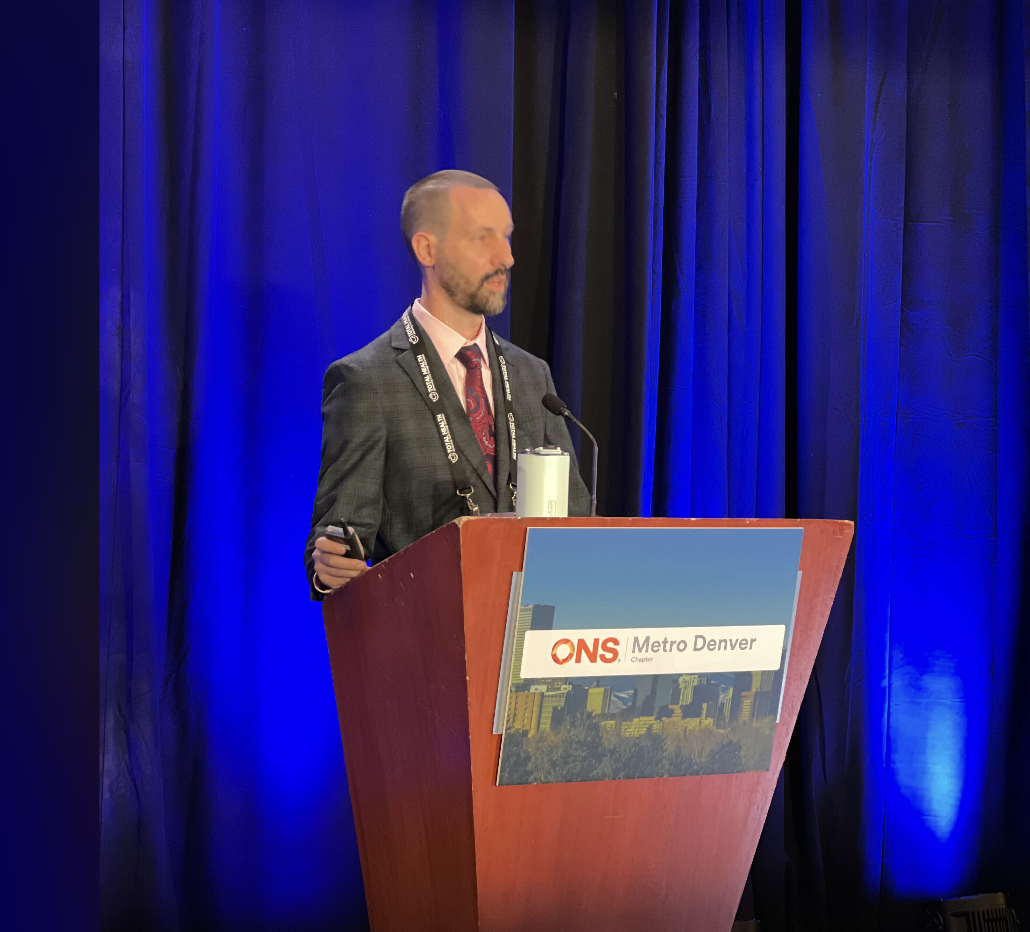
Sarcoma pathology presents distinct challenges because of the large number of tumor subtypes and the complexity of grading and classification. In this presentation, Dr Michael Clay explores how pathologists use tumor morphology, mitotic activity, necrosis, and standardized reporting protocols to guide clinical decisions. It also highlights the interpretive uncertainty that can arise when tumors have undergone neoadjuvant treatment or when different pathologists reach different conclusions. For oncology nurses and APPs, Dr Clay notes that understanding pathology terminology helps facilitate multidisciplinary communication and explain why additional testing or expert review may be necessary. Clear discussions of diagnostic uncertainty can also help patients navigate difficult treatment decisions.
Head and Neck Cancer
Speaker: Daniel W. Bowles, MD
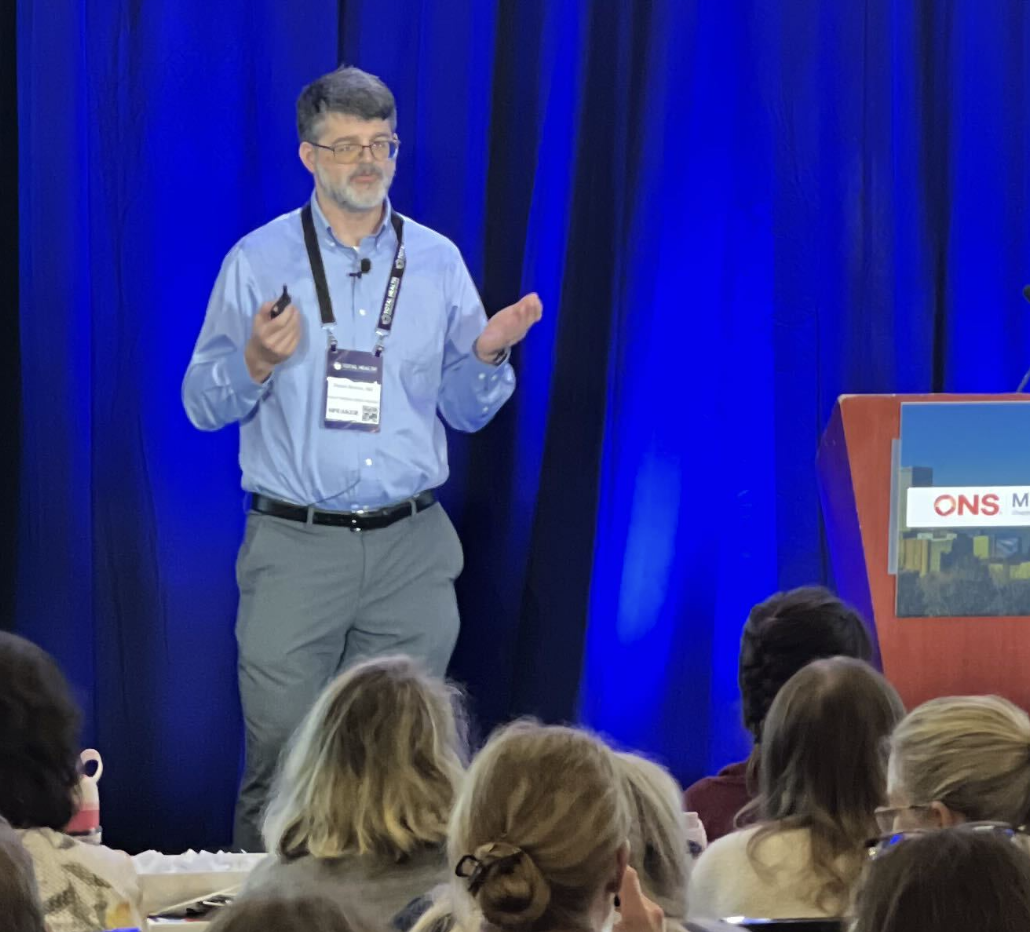
In his presentation, Dr Daniel Bowles reviews the diagnosis and treatment of head and neck squamous cell carcinoma, emphasizing HPV status, staging, and multidisciplinary care. He discusses curative approaches involving surgery, radiation, and chemotherapy, along with immunotherapy for recurrent or metastatic disease and emerging treatment strategies. For oncology nurses and APPs, the presentation highlights management of dysphagia, xerostomia, nutritional problems, hearing changes, and other treatment-related toxicities. He notes that nurse navigation is central to coordinating dental care, speech-language pathology, nutrition, surveillance, and supportive services throughout treatment and survivorship.
Introduction to Orthopedic Oncology
Speaker: Nathan Donaldson, DO
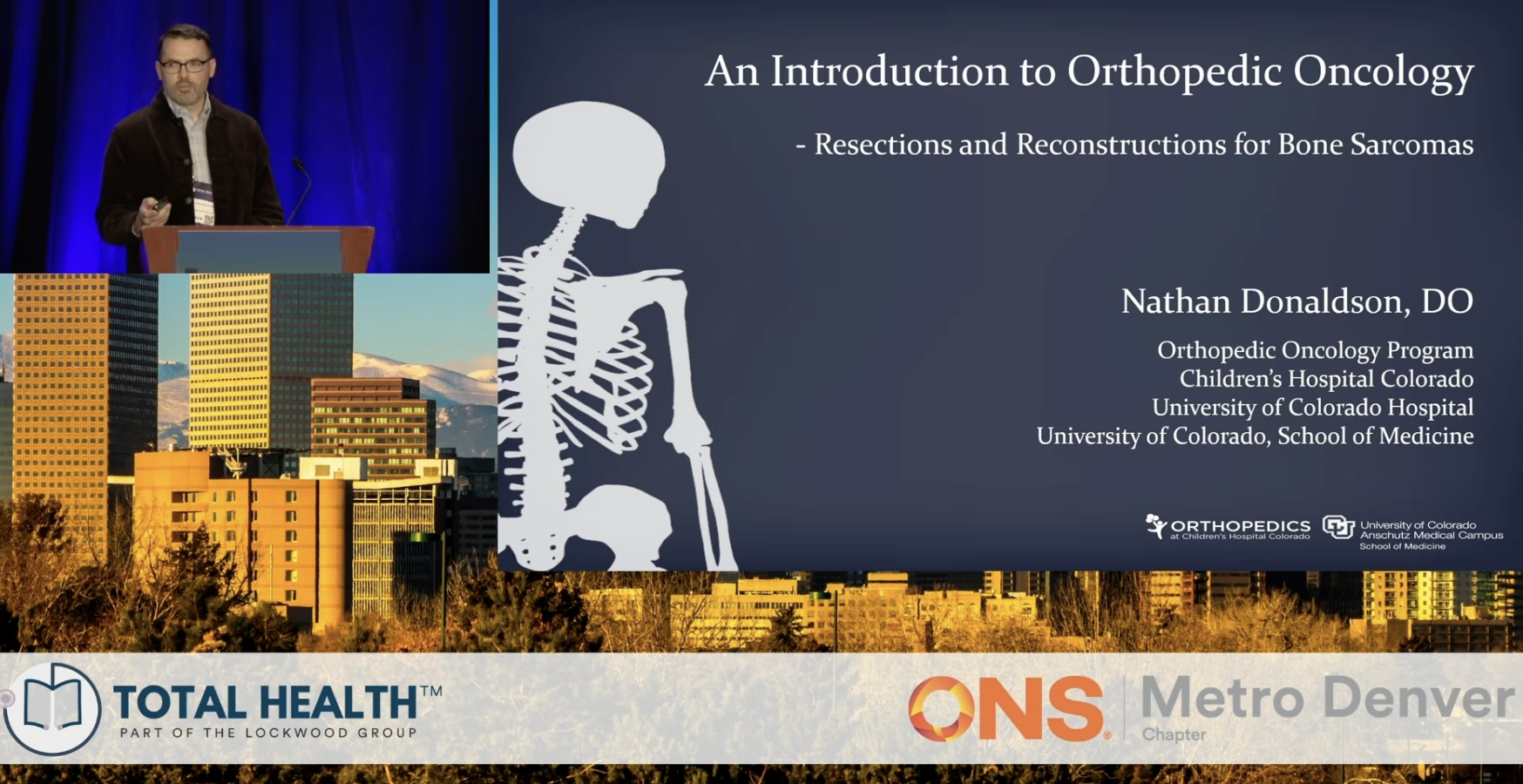
In his presentation, Dr Nathan Donaldson reviews the surgical management of primary bone sarcomas, particularly osteosarcoma and Ewing sarcoma, and the challenges of reconstructing bone and joints following tumor removal. Using clinical examples, he compares limb-sparing procedures, endoprosthetic replacements, biologic reconstruction, and selected procedures that preserve or restore function. Special attention is given to pediatric patients, whose remaining growth can complicate reconstruction and require additional operations. The presentation emphasizes that surgical success extends beyond tumor removal to include mobility, durability, and quality of life. He also notes that oncology nurses and APPs play important roles in preoperative counseling, rehabilitation coordination, postoperative monitoring, and helping patients establish realistic functional expectations.
Myelodysplastic Syndromes: The Basics - Risk, Treatment, and Clinical Trials
Speaker: Andrew Kent, MD, PhD
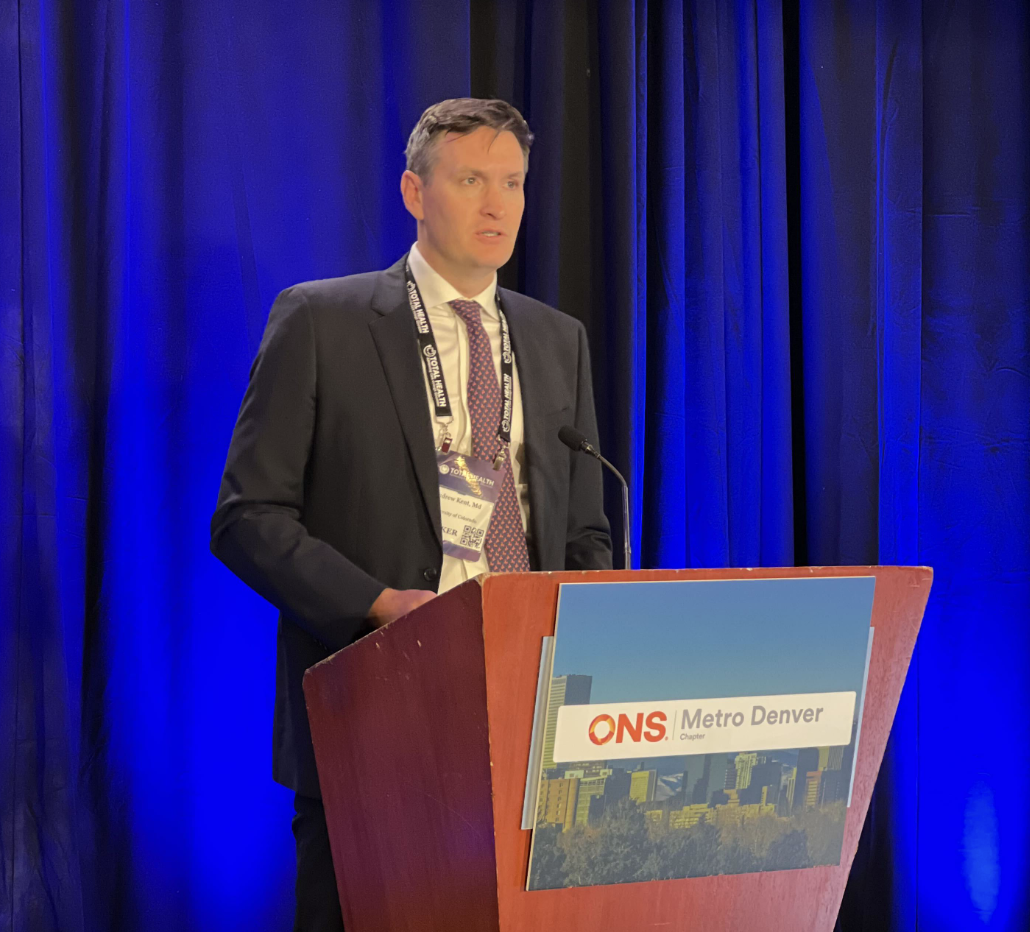
In his presentation at MDONS 2026, Dr Andrew Kent reviews myelodysplastic syndromes (MDS), emphasizing how molecular and clinical risk stratification guides treatment decisions. Lower-risk disease management focuses on cytopenias, transfusion independence, and quality of life, while higher-risk disease may require hypomethylating agents and early consideration of allogeneic transplantation. He discusses the phase 3 VERONA trial, which found no overall survival benefit from adding venetoclax to azacitidine, as well as emerging investigational therapies. He notes that nurses and APPs play essential roles in monitoring cytopenias, preventing infections, coordinating transfusions, managing complex treatment schedules, and supporting patients through transplantation and clinical trial participation.
Updates in Gastric and Esophageal Cancers
Speaker: Sunnie Kim, MD
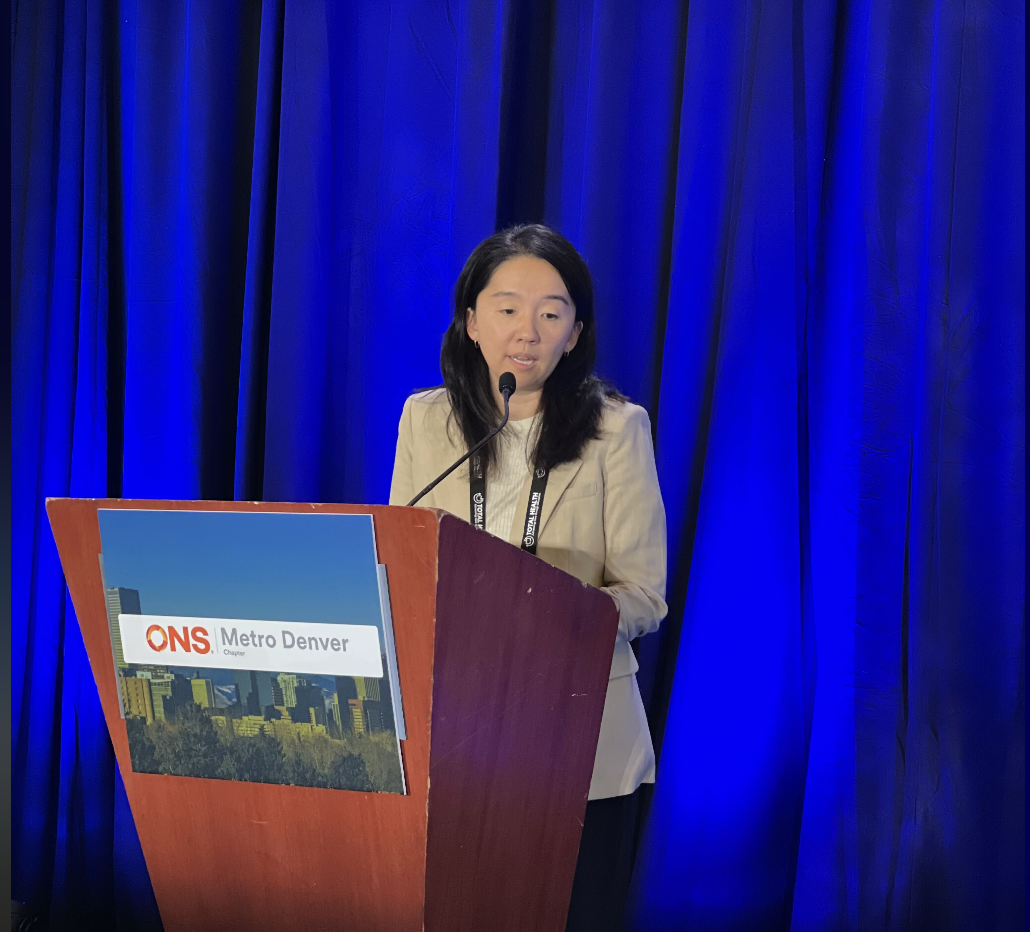
In her presentation, Dr Sunnie Kim discusses evolving treatment strategies for gastric and esophageal cancers, emphasizing accurate staging, molecular testing, and individualized treatment selection. Her presentation highlights the importance of endoscopic ultrasound, diagnostic laparoscopy when indicated, and biomarker assessment, including mismatch repair status, PD-L1, HER2, and CLDN18.2. Emerging and established approaches she discusses include immunotherapy, perioperative systemic treatment, and targeted agents such as zolbetuximab and trastuzumab deruxtecan. For nurses and APPs, she cites some key considerations, including recognizing treatment-related nausea, vomiting, diarrhea, and pulmonary toxicities, while supporting nutritional needs and timely symptom reporting. Coordinated multidisciplinary care is also essential as treatment options continue to expand.
Recognizing and Managing Chemotherapy-Induced Peripheral Neuropathy
Speaker: Franchesca Konig, MD
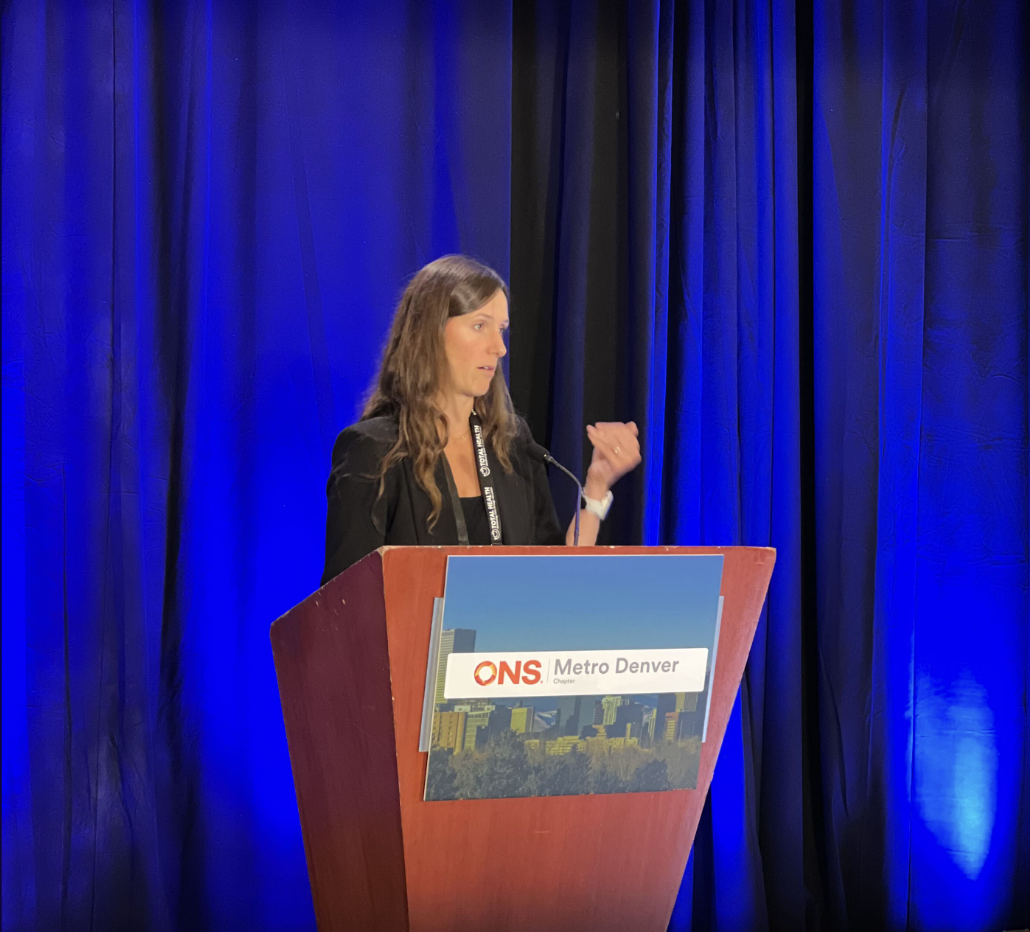
Chemotherapy-induced peripheral neuropathy (CIPN) can significantly affect patients' function, quality of life, and ability to continue cancer treatment. In this presentation, Dr Franchesca Konig reviews common clinical features, treatment-related risk factors, and approaches to distinguishing CIPN from other causes of neuropathy. The presentation emphasizes focused history-taking, physical examination, appropriate diagnostic evaluation, and ongoing symptom monitoring. For oncology nurses and APPs, she notes that early recognition of sensory changes, balance difficulties, pain, and functional limitations can support timely intervention. Patient counseling, rehabilitation referrals, and individualized symptom management are important components of care, particularly when patients are concerned about the possibility of persistent neuropathy.
Circulating Tumor DNA in Colorectal Cancer
Speaker: Christopher Lieu, MD, FASCO
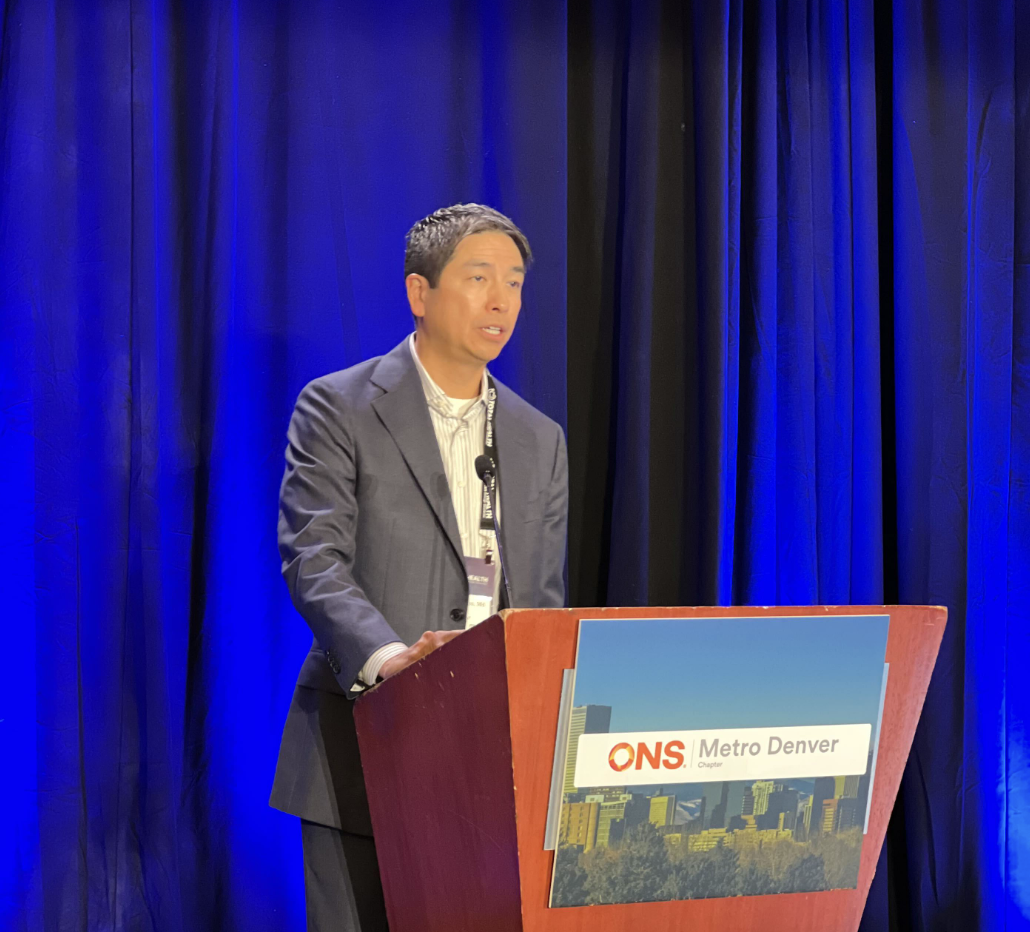
Circulating tumor DNA (ctDNA) is an emerging tool for detecting molecular residual disease (MRD) and estimating recurrence risk after colorectal cancer treatment. In this presentation, Dr Chrisopher Lieu examines its potential role in stage II and III disease, including how ctDNA results might inform discussions about adjuvant chemotherapy and surveillance. An important distinction is that a test's ability to predict recurrence does not automatically establish that changing treatment based on its results improves survival. Dr Lieu also discusses ctDNA clearance, limitations of testing, and future research opportunities. He also notes that nurses and APPs can help patients understand test results, manage uncertainty, and, importantly, distinguish established clinical uses from investigational applications.
Building Change Resilience
Speaker: Joe Molinoski, MA
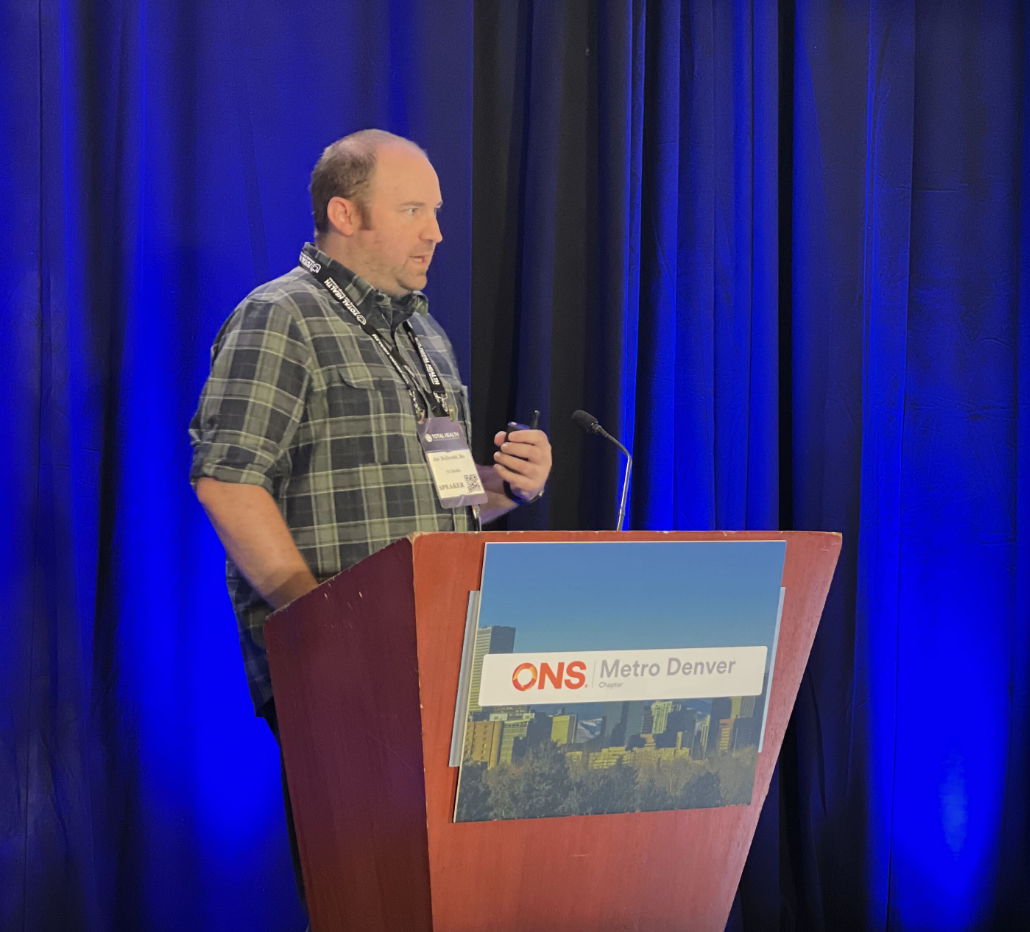
Healthcare professionals routinely navigate changing workflows, evolving treatment practices, and competing demands that can contribute to change fatigue. In this presentation, Joe Molinoski examines how continuous change affects decision-making, emotional capacity, teamwork, and operational efficiency. He introduces an ABCD approach to change readiness: awareness, breathing to slow reactions, curiosity, and deciding on the next actionable step. Participants also learn strategies for helping colleagues manage uncertainty by acknowledging concerns, clarifying available information, identifying practical next steps, and escalating recurring challenges. For oncology nurses and APPs, he notes that these techniques support effective communication, adaptability, and team functioning during organizational change.
Infusion Center Updates
Speaker: Randi Krasowski, BSN, RN, OCN
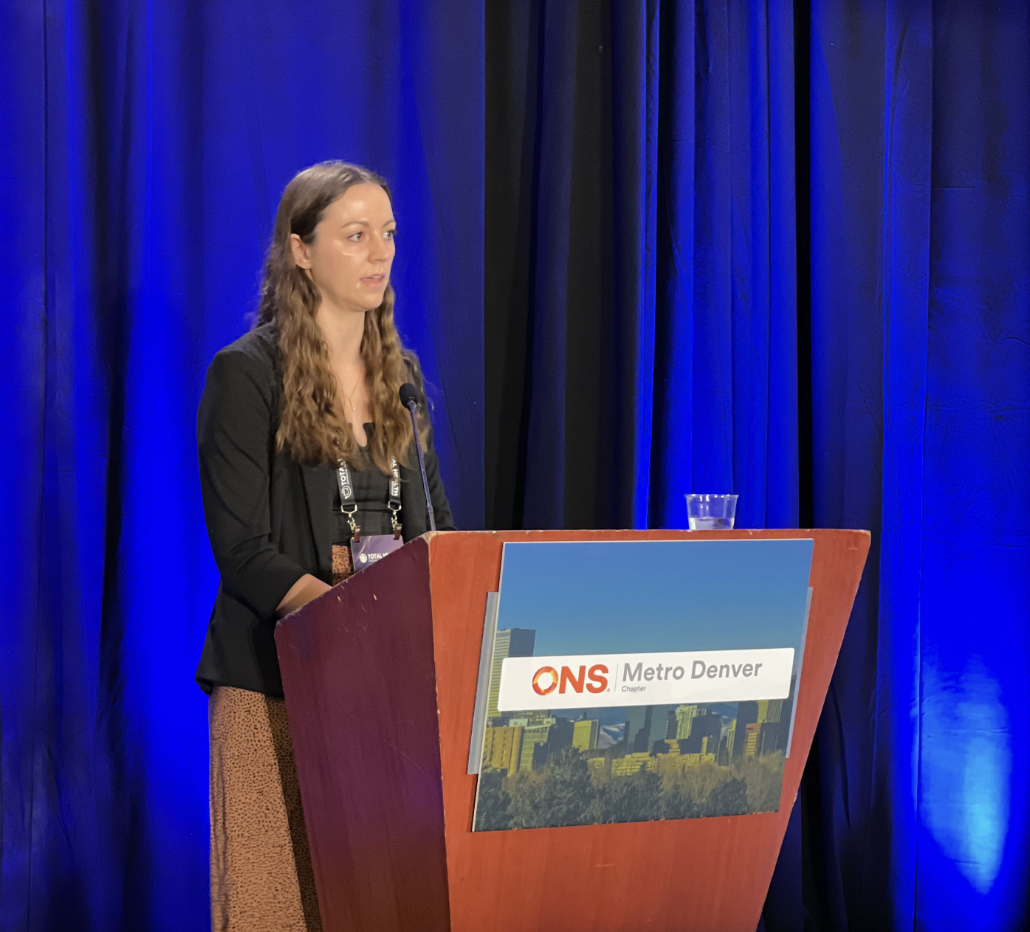
In this presentation, Randi Krasowski reviews practical safety considerations for oncology treatment administration, including differences between intravenous and subcutaneous formulations, monitoring for administration-related reactions, and management of treatment-specific adverse events. She emphasizes that subcutaneous formulations may reduce chair time but require product-specific dosing, premedication, and observation procedures. Additional topics include pulmonary toxicity associated with antibody-drug conjugates, updated approaches to antineoplastic extravasation, and occupational exposure to hazardous medications. For oncology nurses and APPs, the central message is to maintain vigilance as new formulations and therapies enter practice, ensuring that administration protocols, emergency resources, and staff safety procedures remain current.
MDONS 2026 Keynote Presentation: Finding a Way
Speaker: Siri Lindley, World Champion Triathlete, Coach, and Cancer Survivor
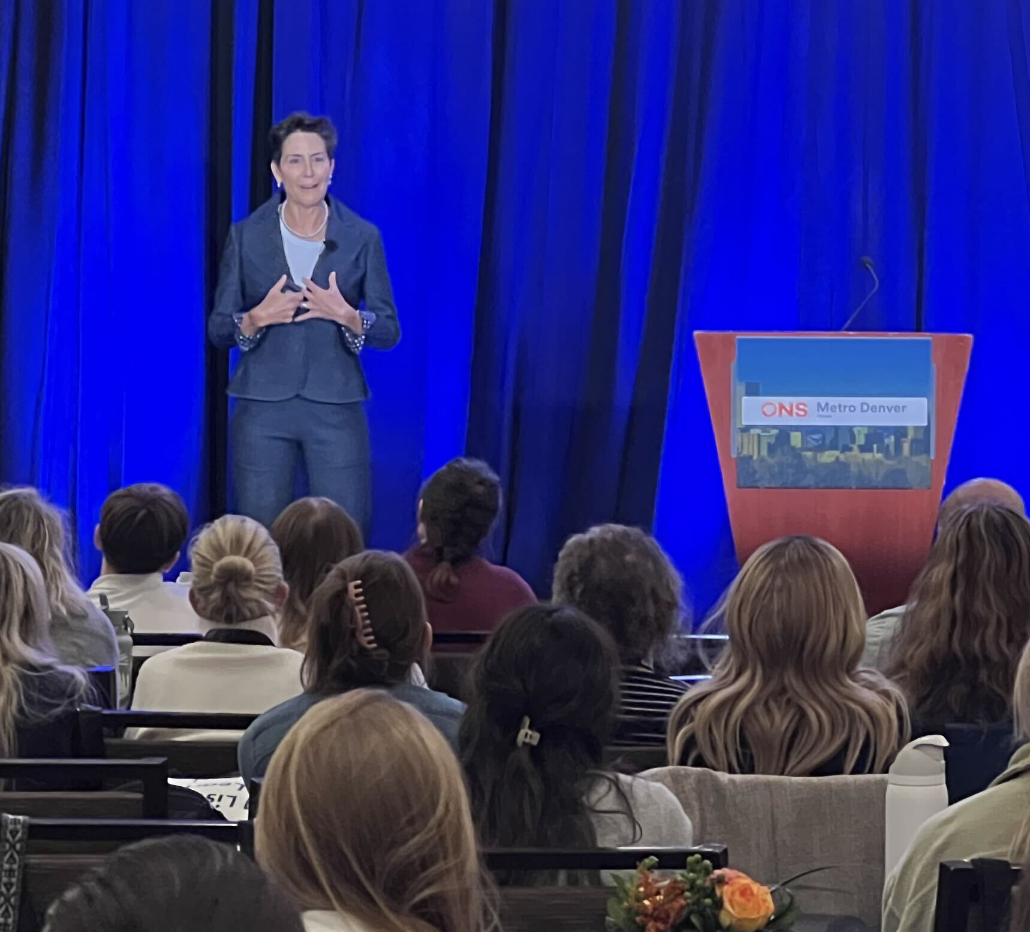
In this keynote session, world champion triathlete, coach, and cancer survivor Siri Lindley shares a personal story of perseverance, self-belief, and overcoming seemingly impossible challenges. Drawing on her experiences in elite athletics and cancer treatment, she explores how determination, hope, and compassionate relationships can shape the way individuals respond to adversity. Lindley offers a particularly meaningful message to oncology professionals, recognizing the emotional support nurses provide during patients' most vulnerable moments. Her presentation reinforces that excellent cancer care involves more than medications and clinical monitoring. Empathy, encouragement, and helping patients feel seen and supported can profoundly influence their experience throughout treatment.
Radiology 101: Introduction to Tumor Imaging—Focus on MSK Malignancies
Speaker: MK Lowry, MD
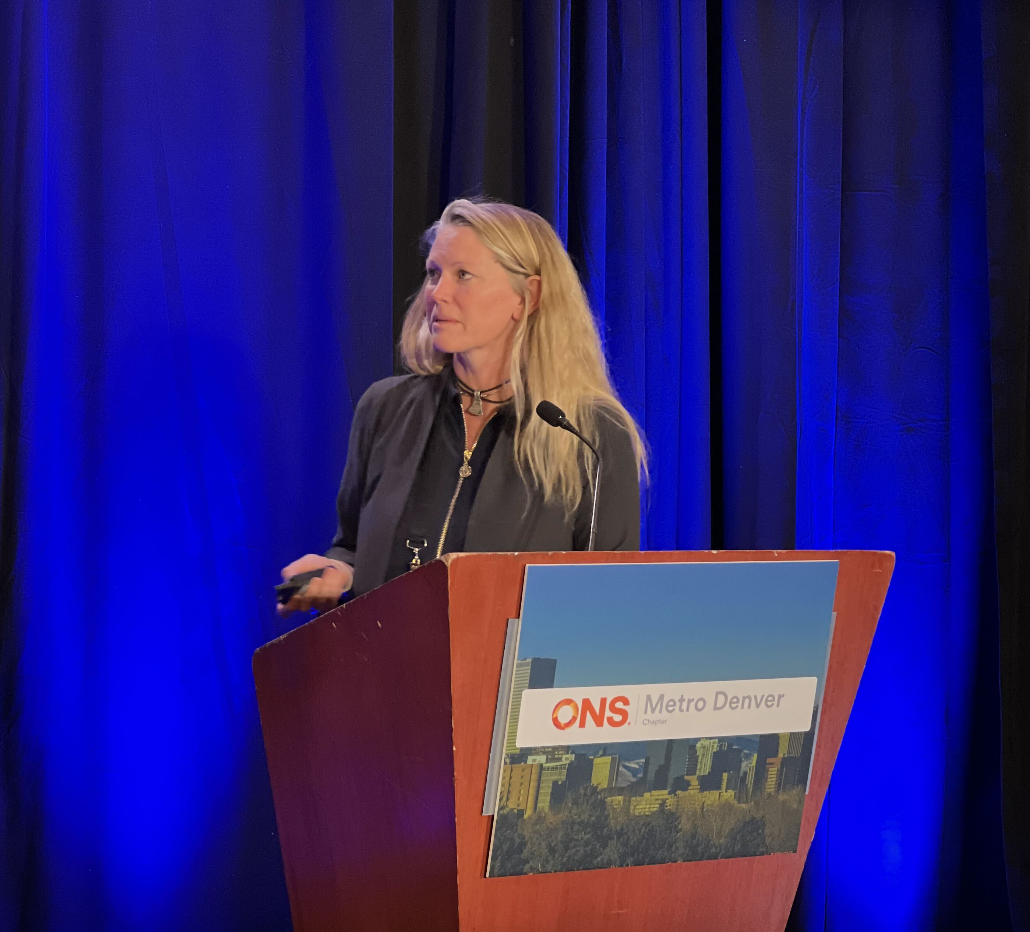
In her presentation, Dr MK Lowry provides a practical introduction to musculoskeletal tumor imaging, helping oncology nurses and APPs understand which imaging studies answer specific clinical questions. The presentation reviews radiographs, CT, ultrasound, MRI, and nuclear medicine techniques, emphasizing that radiographs are often the initial examination for a localized musculoskeletal concern. Clinical examples illustrate how imaging characteristics can help distinguish suspicious lesions from benign conditions and tumor mimics. The discussion also highlights the importance of providing relevant clinical history, recognizing findings requiring urgent follow-up, and avoiding the assumption that every abnormality in a patient with cancer represents metastatic disease.
“I am in shock of how much I did not know about PET scans! I had no idea there were so many different options. This topic was fantastic.”
Thank You!
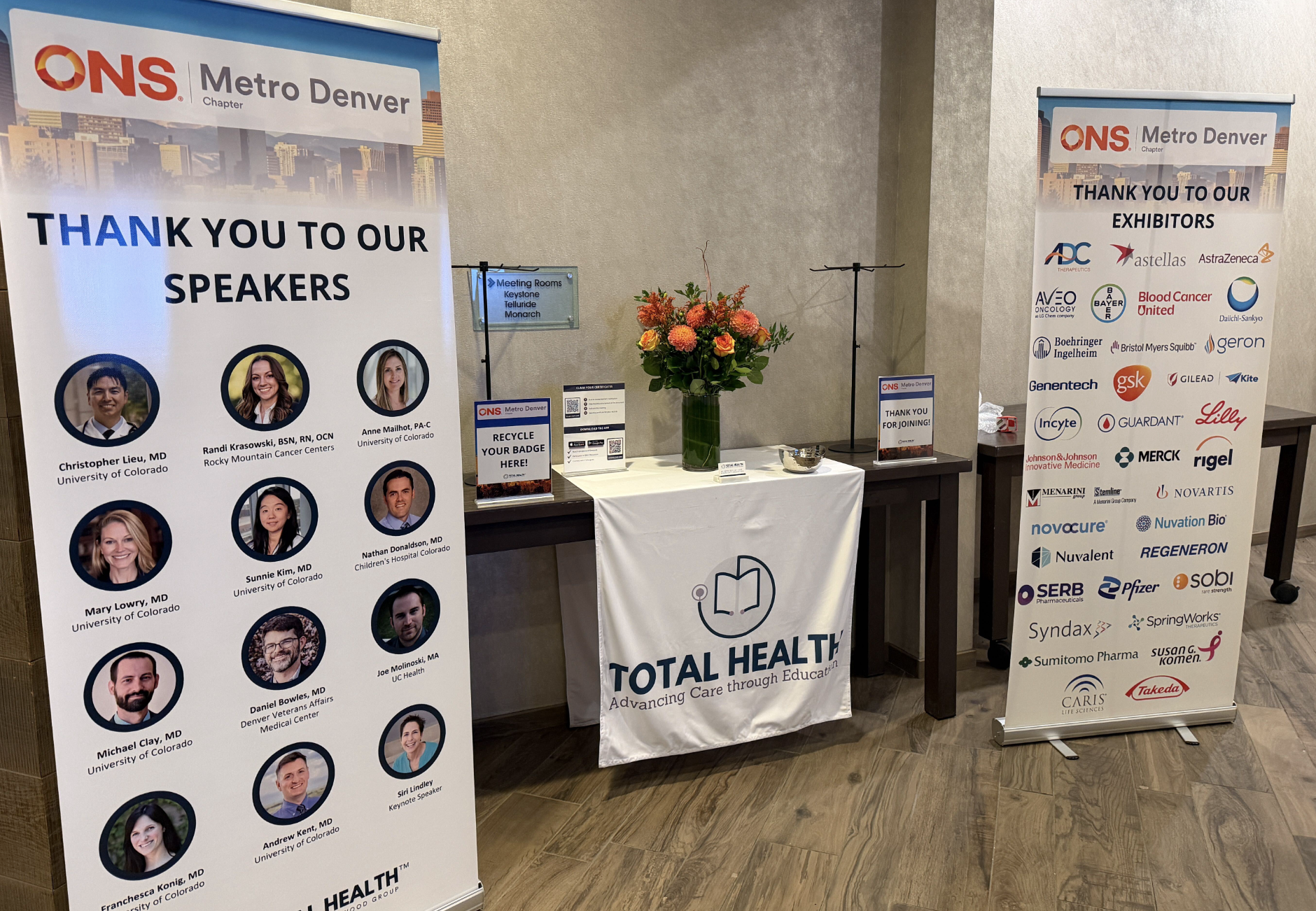
On behalf of the entire Total Health team, a sincere thank to all our attendees, speakers, sponsors and exhibitors for making this year’s MDONS program a huge success! We look forward to seeing you again in Denver in 2027!
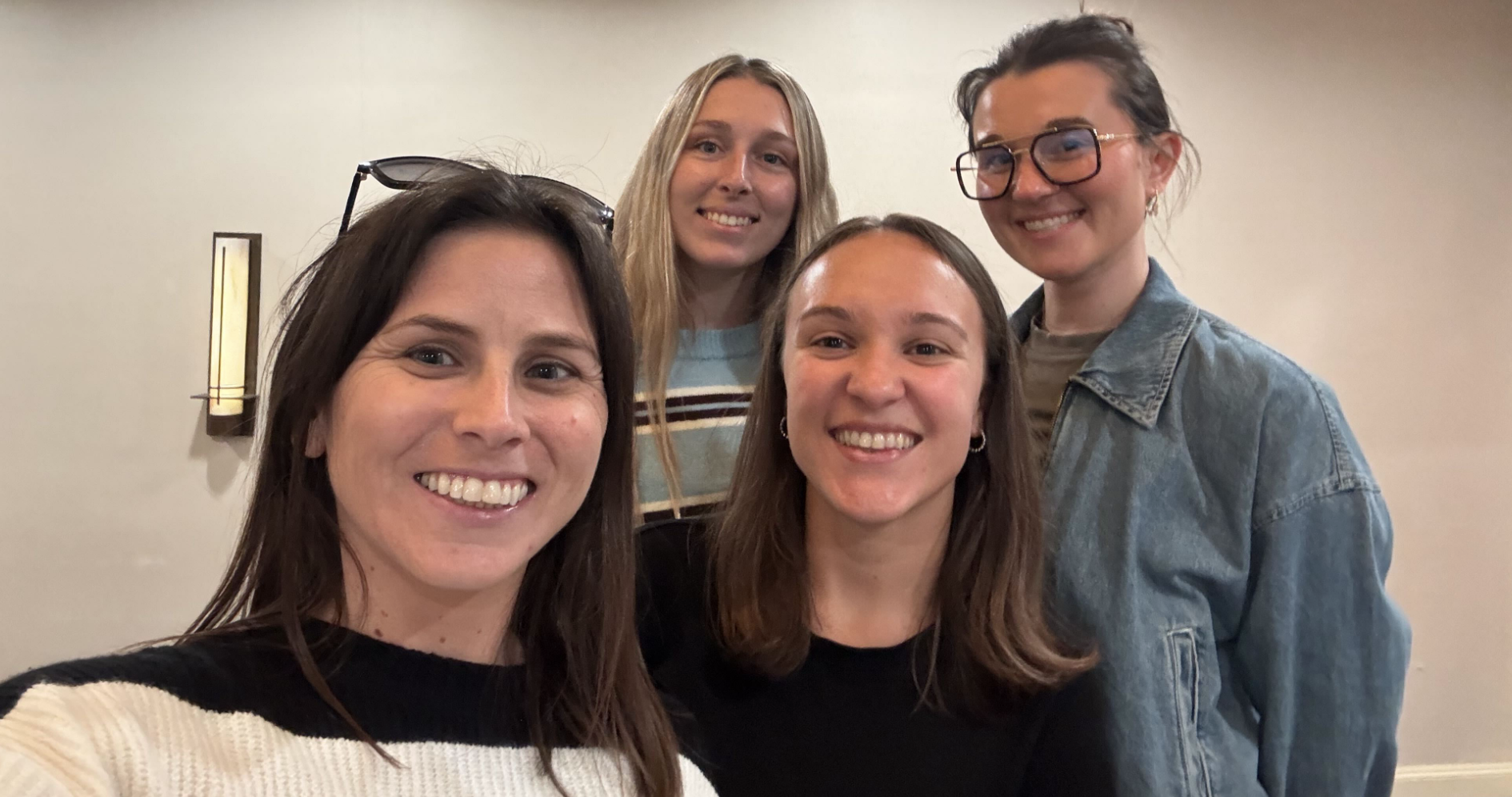
Your MDONS 2026 on-site team (left to right): Program Director Allison Zuber, Program Director Keeton Holcomb, Program Director and Lead Reyna Rubin, Program Coordinator Bri Effner.