
2026 ASCO Direct™ GI Cancers
AFTER the MEETING- with Total Health
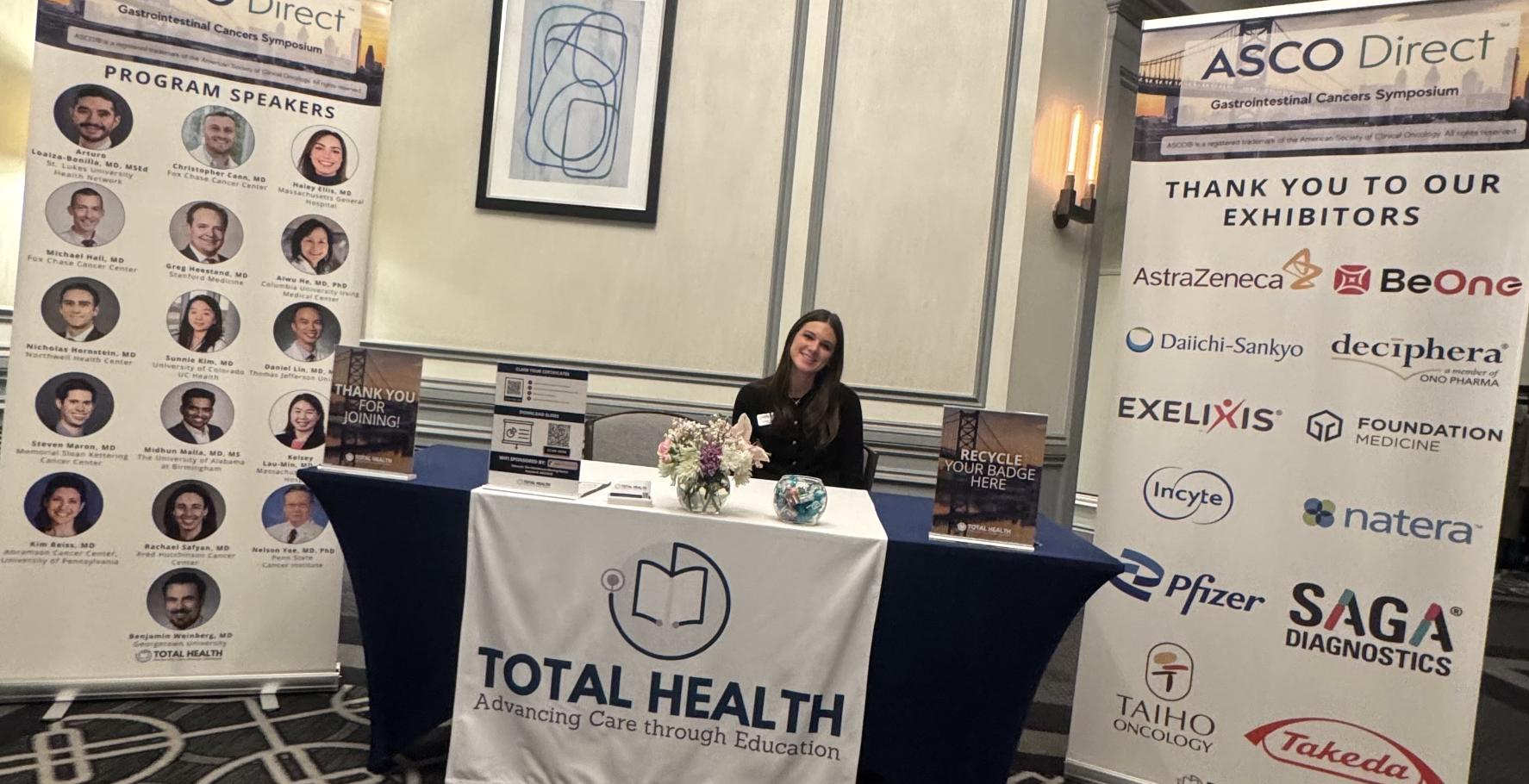
This past February 7th and 8th, Total Health was proud to present our second annual, officially licensed ASCO Direct™ GI Cancers conference in Philadelphia, PA, featuring content from the 2026 ASCO Gastrointestinal Cancers Symposium!
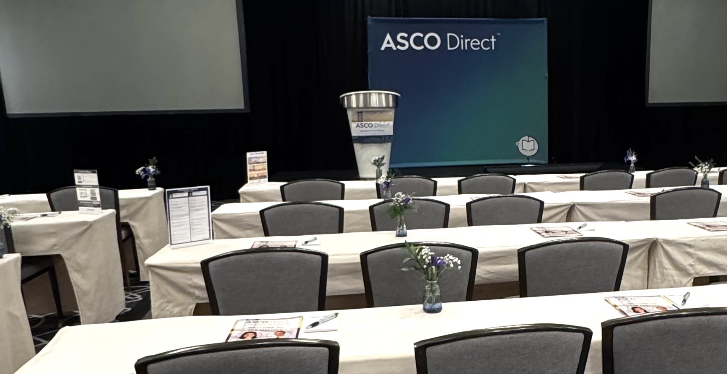
Our on-site team was excited to host a total of 54 attendees at this two-day, in-person access only program, with a mix of oncologists, nurses, advanced practice providers, and other oncology healthcare professionals. Attendees at this year’s conference were especially interested to hear about hot topics including the burgeoning role of AI in the GI cancers, emerging screening modalities in pancreatic and gastric cancers, colorectal cancer updates, and the use of genomics to personalize treatment in GI malignancies.
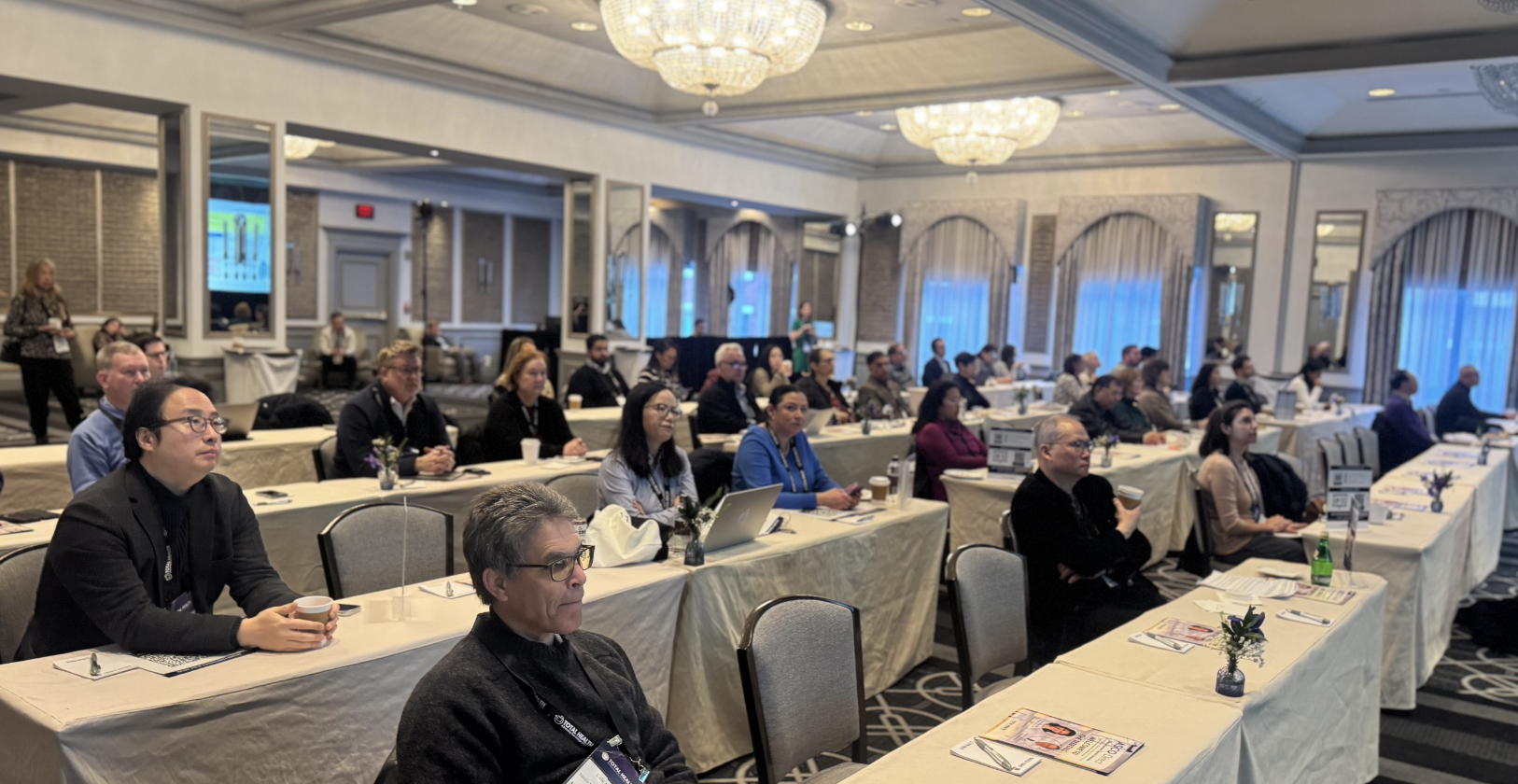
“Working in the community oncology setting, I find these meetings monumentally helpful… There is so much going on for each disease site, and [it’s] very hard to put all updates in perspective. Total health helps me stay up to date! This is so good for me… and more importantly, my patients…”
Program Overview
Day 1
Dr Benjamin Weinberg (Georgetown University) began the Day 1 program by examining the evolving role of organ preservation strategies in esophageal and gastric cancers, highlighting ongoing debate around non-operative management (NOM). He emphasized that a clinical complete response does not reliably equate to a pathologic complete response, noting limitations of current assessment tools including PET and ctDNA assessment. While NOM may be reasonable in select esophageal squamous cell carcinoma cases, Dr Weinberg cautioned that for medically fit patients with adenocarcinoma, high rates of local regrowth and the need for salvage surgery remain concerns. He stressed that “esophagectomy is a high-risk procedure,” reinforcing the importance of treatment at high-volume centers. In contrast, patients with MSI-H/dMMR gastric cancers represent a promising subgroup where immunotherapy may enable organ preservation with durable responses, though prospective data remain limited in this regard.
Dr Greg Heestand (Stanford University) provided a multidisciplinary overview of borderline resectable and locally advanced pancreatic cancer, emphasizing that resectability is increasingly defined by biologic risk rather than anatomy alone, noting that “anything can technically be resected…[but] it’s all about the risk”. He noted that neoadjuvant chemotherapy serves as a critical “test of biology,” with surgery reserved for patients demonstrating stable, favorable disease. In addition, Dr Heestand noted that advances in radiation (e.g., anatomically defined fields, adaptive planning) and emerging locoregional therapies (e.g., tumor-treating fields) show promise but remain adjunctive strategies. Importantly, he reinforced that these approaches “should never replace or compromise” standard systemic therapy. Looking ahead, Dr Heestand cited KRAS inhibitors as a key area of innovation, though their role in earlier-stage disease remains under investigation.
Dr Sunnie Kim (University of Colorado) highlighted the alarming rise of early-onset colorectal cancer (CRC), noting that, despite overall declines in CRC incidence, rates in patients <50 are increasing globally and CRC is now “the leading cause of cancer-related death” in this age group. She emphasized that no single etiology explains this trend; rather, it reflects a multifactorial interplay of genetics (~25% hereditary), lifestyle factors, and environmental exposures, including exposure to ultra-processed foods and alterations in gut microbiome. Clinically, Dr Kim notes that delay in diagnosis remains a major challenge, with many patients experiencing prolonged symptom intervals and multiple physician visits. She stressed that “45 is the new 50” for screening and underscored the need for multidisciplinary care addressing fertility, financial toxicity, and survivorship, given the unique psychosocial burden of CRC in younger patients.
Dr Arturo Loaiza-Bonilla (St. Luke’s University Health Network) delivered a forward-looking overview of artificial intelligence (AI) in GI oncology, emphasizing its growing role across detection, diagnosis, and treatment optimization. He noted that AI enables clinicians to “see the unseen,” improving early cancer detection through imaging, radiomics, and noninvasive biomarkers, including enhanced adenoma detection and earlier identification of pancreatic cancers. Beyond diagnostics, he notes that AI-driven multimodal platforms integrating imaging, genomics, and clinical data are reshaping precision oncology and clinical trial matching. He cautioned, however, that implementation must remain grounded in validated datasets and clinical context, stressing that “AI is not your new doctor—we’re still the doctors,” underscoring the importance of human oversight to mitigate bias and ensure safe integration into practice.
“The AI lecture was so new and innovative and was presented in an easy manner to understand… Clearly more to come…”
Dr Aiwu (Ruth) He (Columbia University Irving Medical Center) emphasized the critical interplay between tumor control and underlying liver function in hepatobiliary cancers, noting that patients “fight two battles - liver decompensation and tumor progression”. She notes that liver dysfunction was shown to significantly impact survival, with outcomes varying markedly by Child-Pugh and ALBI scores, underscoring the need for precise risk stratification. Dr He further highlighted that proactive management of decompensation (e.g., ascites, varices, encephalopathy) can preserve treatment eligibility and improve outcomes, with evidence that patients who resume therapy after decompensation have survival comparable to those without events. Across modalities, including surgery, liver-directed therapy, and systemic treatment, Dr He stressed balancing efficacy with hepatotoxicity, advocating for multidisciplinary care and careful patient selection to optimize both oncologic and hepatic outcomes.
Dr Nelson Yee (Penn State Cancer Institute) reviewed evolving liver-directed strategies for unresectable colorectal liver metastases (CRLM), emphasizing that these lesions drive the majority of colorectal cancer mortality and require a multidisciplinary approach. Stereotactic body radiation therapy (SBRT) was highlighted as a standard, noninvasive option, with advances in imaging, real-time tracking, and adaptive dosing enabling more precise, ablative treatment. Dr Yee noted that interventional approaches such as Y90 radioembolization demonstrated improvements in response and progression-free survival in later-line settings, though without consistent overall survival benefit. He noted that liver transplantation has emerged as a promising but highly selective strategy, with outcomes dependent on strict biologic and clinical criteria. Dr Yee also emphasized that “selection of the patients is the key,” balancing potential survival gains against recurrence risk, cost, and organ availability.
Featured Presentation
Dr Rachael Safyan reviewed emerging screening strategies for pancreatic and gastric cancers. She noted that current pancreatic cancer screening is limited to high-risk individuals using MRI and endoscopic ultrasound, but studies highlight limitations of annual imaging and the need for more sensitive detection tools. She also cited blood-based biomarker panels and AI-enhanced imaging as promising emerging approaches. For gastric cancer, Dr Safyan noted that screening in the United States remains risk-based, with endoscopy as the primary modality and H. pylori eradication as a key preventive strategy. Although novel blood-based diagnostics and AI technologies are advancing rapidly, Dr Safyan emphasized that most remain investigational and require validation before they can be routinely adopted in clinical practice. You can see a more detained summary of Dr Safyan’s presentation from the ASCO Direct™GI Cancers conference here.
Dr Christopher Cann (Fox Chase Cancer Center) highlighted evolving standards for BRAF V600E–mutant metastatic colorectal cancer (mCRC), emphasizing results from the phase III BREAKWATER trial as practice-informing. He noted the combination of encorafenib and cetuximab with chemotherapy demonstrated “a statistically significant and clinically meaningful benefit” in response rates, with substantial improvements in PFS and OS compared with standard therapy. Notably, efficacy was consistent across early- and average-onset populations, though early-onset disease may exhibit more aggressive biology. Dr Cann also underscored the poor prognosis associated with BRAF mutations, including markedly shorter disease-free survival following metastasectomy. He cited emerging strategies, including “paradox-breaker” BRAF inhibitors and BRAF degraders which aim to overcome resistance mechanisms and represent promising next-generation approaches in this space.
Dr Michael Hall (Fox Chase Cancer Center) concluded the Day 1 program by providing a broad overview of emerging genomics and pharmacogenomics in GI oncology, highlighting key distinctions between early- and late-onset cancers. Notably, he cited early-onset MSI-high tumors a demonstrating unique molecular and immune profiles, underscoring that these cancers are biologically distinct and may require tailored approaches. Another major focus of this presentation was clinical integration of pharmacogenomics, particularly DPYD testing prior to fluoropyrimidine therapy, which is now supported by FDA labeling and NCCN guidance due to the risk of severe, potentially fatal toxicity. Dr Hall emphasized that “this is really stuff we need to build into our practice,” reflecting a shift toward routine pre-treatment screening. He also highlighted evolving hereditary cancer guidelines, including expanded germline testing and revised management of CDH1-associated gastric cancer, alongside ongoing disparities in access to genomic testing.
Day 2
Dr Daniel Lin (Thomas Jefferson University) began the Day 2 program by reviewing emerging monoclonal antibodies, bispecific antibodies, and antibody–drug conjugates (ADCs) targeting Claudin18.2 and HER2 in advanced gastroesophageal cancers. He noted that, in the phase II ILUSTRO study, frontline zolbetuximab plus nivolumab and chemotherapy produced encouraging efficacy in CLDN18.2-positive disease, particularly among patients with PD-L1–positive tumors. In HER2-positive cancers, he cited the HERIZON-GEA-01 trial which showed that zanidatamab plus tislelizumab and chemotherapy significantly improved survival compared with trastuzumab-based therapy. Dr Lin also cited next-generation strategies, including CLDN18.2 ADCs and HER2-targeted ADC combinations such as trastuzumab deruxtecan, which continue to expand treatment options and may further reshape frontline therapy for gastroesophageal cancers.
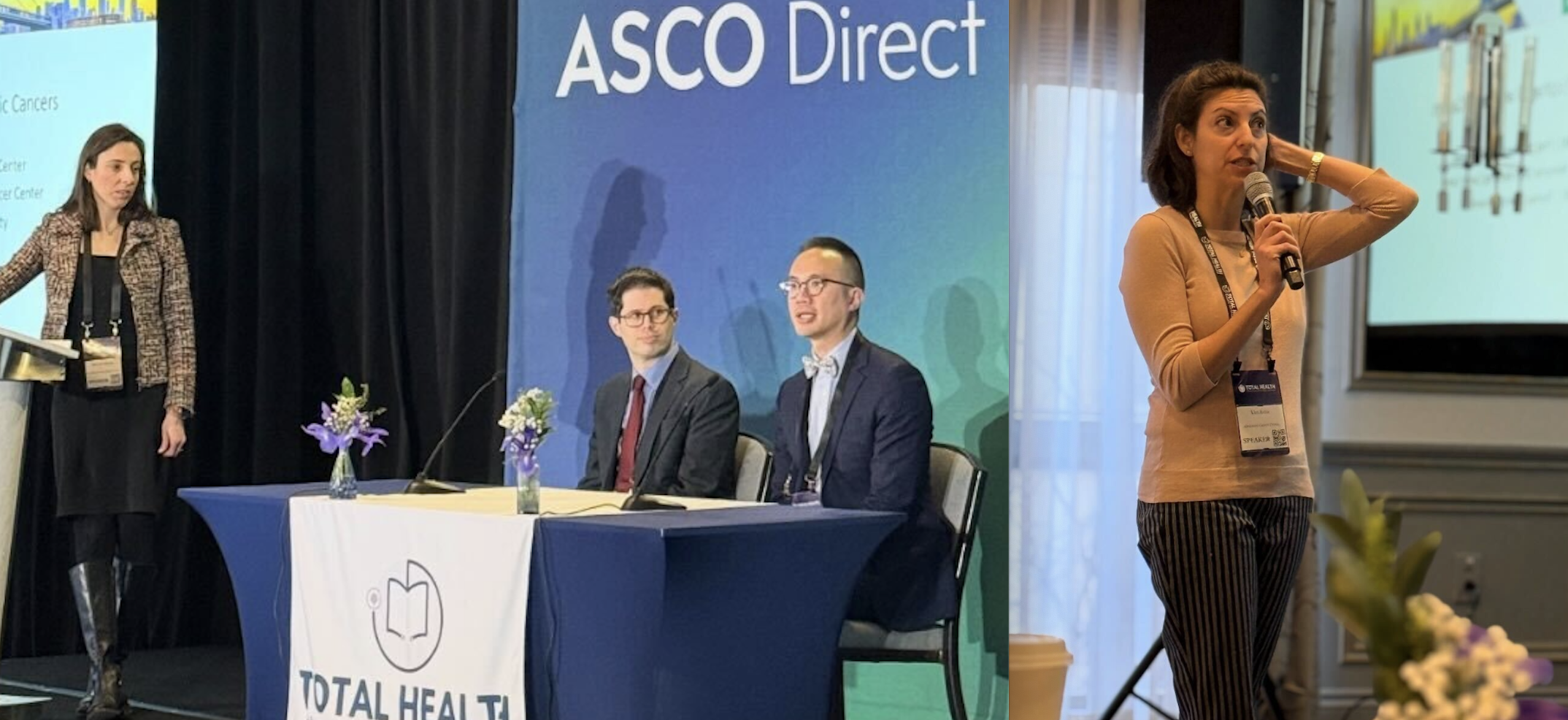
Panel Discussion: Esophageal and Gastric Cancers: A panel discussion featuring Dr Safyan, Dr Lin, and Dr Maron focused on the nuanced management of esophageal and gastric cancers, emphasizing that “biological selection is incredibly important…not all tumors are created equal”. For oligometastatic disease, the panel though patient selection, disease distribution (e.g., nodal vs. visceral), and a “test of time” with systemic therapy were key determinants before deciding to pursue aggressive local therapy. Panelists generally favored prolonged systemic therapy (e.g., 4 to 6+ months) prior to considering surgery, reserving resection primarily for nodal-only disease. In frontline metastatic settings, the panel noted that biomarker-driven therapy remains central, but real-world challenges persist - particularly toxicity with CLDN18.2-targeted therapy (zolbetuximab) - as one panelist noted, “patients beg…to take them off treatment” due to severe nausea. As such, despite promising efficacy, tolerability may influence sequencing decisions, with many clinicians favoring immunotherapy-based approaches first. Across scenarios, the panel also underscored gaps in evidence for maintenance strategies, ctDNA integration, and optimal sequencing choices, highlighting the need for clinical trials and individualized decision-making.
Dr Haley Ellis (Massachusetts General Hospital) reviewed advances in biliary tract cancers, emphasizing the growing importance of biomarker-driven therapy. She highlighted that these tumors are “enriched with actionable genomic targets,” with FGFR2 fusions and HER2 amplification representing key therapeutic opportunities. She noted selective FGFR2 inhibition (e.g., lirafugratinib) which have demonstrated promising efficacy with improved survival, though resistance and on-target toxicities remain challenges. In HER2-positive disease, Dr Ellis cited zanidatamab as showing robust response rates (~50%) and durable benefit, reinforcing the need for comprehensive testing. She also stressed that “we really don’t want to miss these patients,” advocating for both tissue and liquid profiling as a means to guide sequencing and optimize outcomes.
Dr Midhun Malla (University of Alabama at Birmingham) reviewed management of T2 rectal cancer, emphasizing that total mesorectal excision (TME) remains the standard of care for T2N0 disease despite an increasing interest in organ-preserving strategies. He notes that while local excision after neoadjuvant therapy can achieve comparable oncologic outcomes in selected patients, it carries risks of understaging and higher conversion-to-TME morbidity. As such, he stressed careful patient selection based on tumor size, grade, and risk features, noting that “local excision by itself for T2 rectal cancer is still not a standard of care”. Ongoing trials aim to refine organ preservation approaches, but Dr Malla notes that multidisciplinary evaluation and shared decision-making remain essential.
Featured Presentation
Dr Nicholas Hornstein (Northwell Health Center) reviewed the evolving role of ctDNA in GI oncology, with a primary focus on colorectal cancer. He emphasized that ctDNA is highly prognostic, as shown in GALAXY/CIRCULATE-Japan, and may be most clinically useful today for selected de-escalation decisions, longitudinal MRD monitoring, and liquid biopsy-based treatment selection in refractory metastatic CRC. He cautioned that assay performance varies substantially and that clinicians should avoid overinterpreting positive ctDNA results in radiographically negative patients until ongoing prospective intervention trials mature. Overall, Dr Hornstein suggested ctDNA is promising, but its best use remains context-dependent and is not yet fully standardized. You can see a more detained summary of Dr Hornstein’s presentation from the ASCO Direct™GI Cancers conference here.
Dr Kim Reiss (Abramson Cancer Center, University of Pennsylvania) highlighted a pivotal shift in metastatic pancreatic cancer, emphasizing KRAS as “potentially really, truly a revolution in our field”. She cited early-phase data for pan-KRAS and allele-specific inhibitors which have demonstrated encouraging response rates and disease control, with phase III data anticipated to clarify their role. She reinforced that comprehensive germline and tumor testing is now essential, given emerging actionable targets. In contrast, Dr Reiss notes that combining anti–PD-1 therapy with PARP inhibitors in BRCA/PALB2-mutated disease yielded “lackluster”results without clear benefit over PARP inhibition alone. Lastly, she cited additional novel agents (e.g., CLDN18.2, PRMT5) that are showing early efficacy signals but remain investigational.
Dr Kelsey Lau-Min (Massachusetts General Hospital) provided a concise overview of integrative oncology advances, emphasizing a patient-centered, evidence-informed approach that can complement standard cancer therapies. Key data she highlighted structured exercise as “offering the same magnitude of benefit as some of our established…therapies,” including improved disease-free and overall survival, alongside better patient-reported outcomes. Other emerging areas she cited included GLP-1 receptor agonists, which showed associations with reduced colorectal cancer incidence in observational datasets, and medical cannabis, demonstrating feasibility and early symptom benefit in pancreatic cancer. Importantly, Dr Lau-Min underscored persistent evidence gaps, noting the field “requires the same methodological rigor as therapeutic clinical trials”to guide implementation.
Featured Presentation
Dr Steven Maron (Memorial Sloan Kettering Cancer Center) concluded the Day 2 program by reviewing key therapeutic developments likely to shape GI oncology by 2027. In esophagogastric cancers, he noted that CLDN18.2-targeted therapies and zanidatamab-based HER2 regimens may significantly alter frontline treatment. In pancreatic cancer, he cited emerging pan-RAS inhibitors such as RMC-6236 which show encouraging activity and could represent a major advance for KRAS-driven tumors. In colorectal cancer, Dr Maron cited results from the BREAKWATER trial which support frontline use of encorafenib plus cetuximab with chemotherapy for BRAF V600E–mutant disease. He also highlighted emerging evidence suggesting GLP-1 receptor agonists may reduce colorectal cancer incidence, although prospective studies are needed. You can see a more detained summary of Dr Maron’s presentation from the ASCO Direct™GI Cancers conference here.
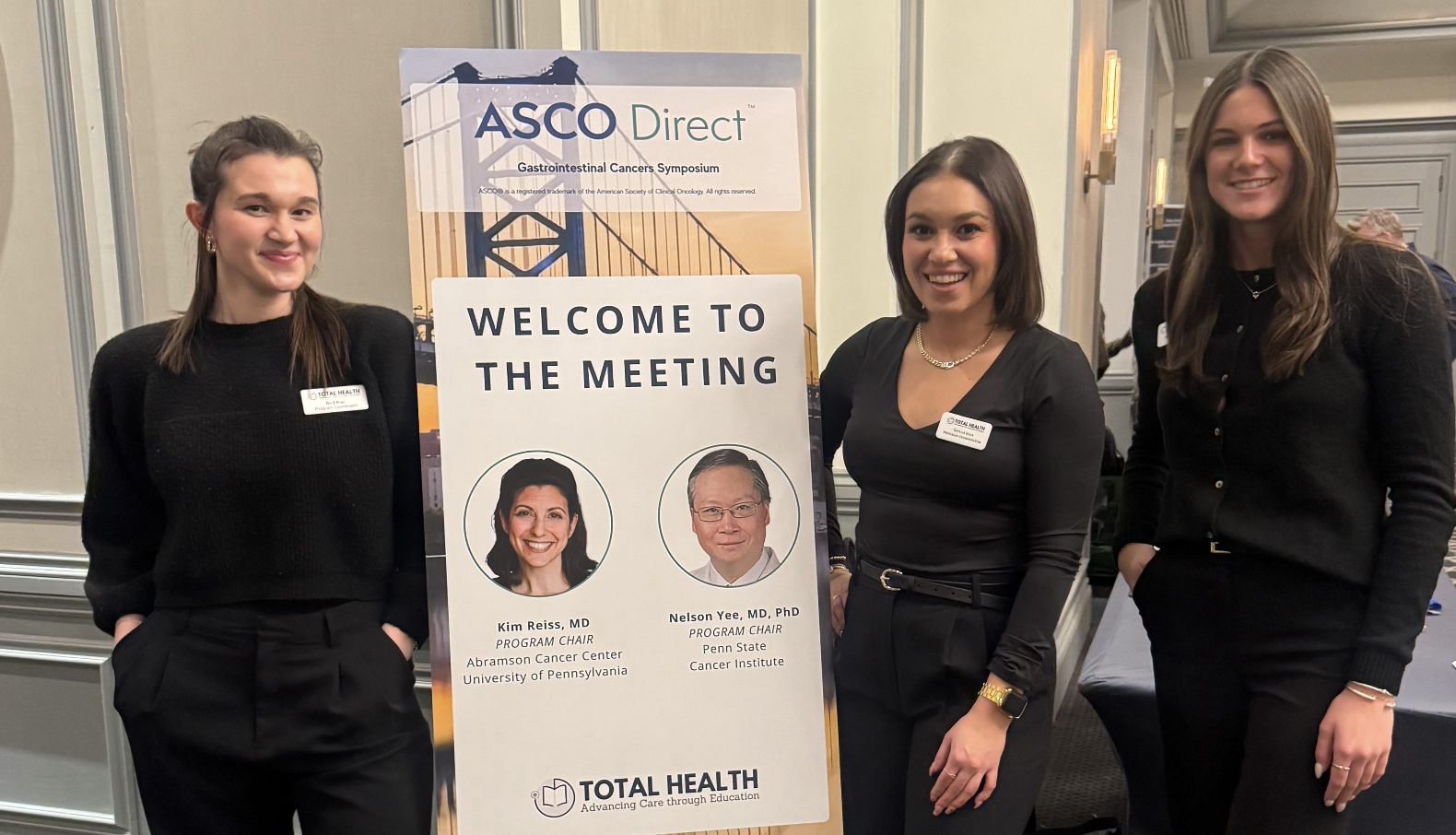
Your Total Health On-Site Team (Left to Right): Program Lead Brianna Effner, Program Coordinator Skylar Hall, Sales Coordinator Lindsay Sadofski.
Thank You!
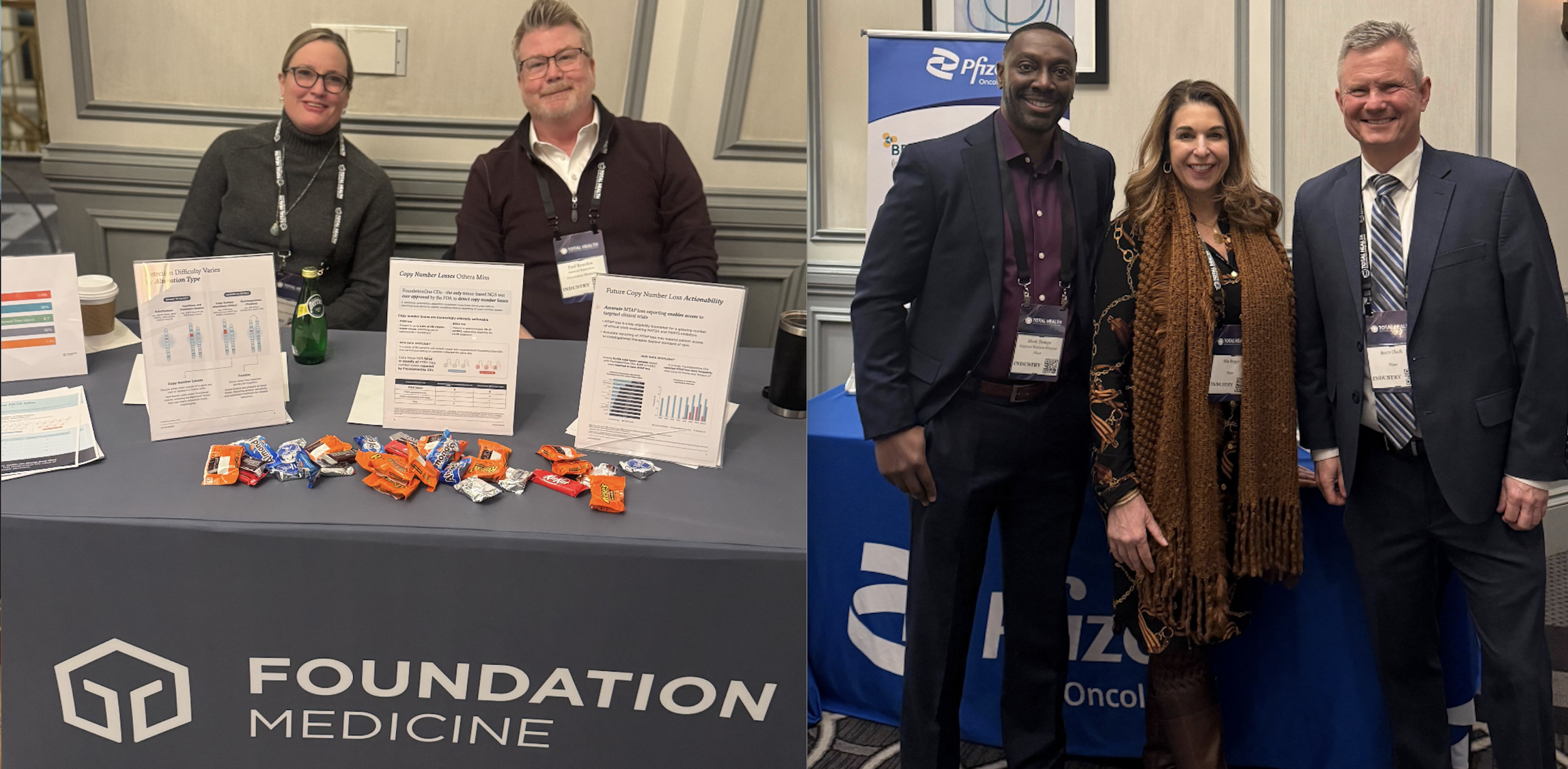
On behalf of our program chairs, Dr Kim Reiss and Dr Nelson Lee, our sincere thanks to all our in-person attendees, and to our valued sponsors and exhibitors, for making this year’s conference such a success, and for allowing us to keep this program and others, as always, free to attend for our cancer care teams!