2026 University of Kansas Cancer Center Breast Cancer Year in Review
AFTER the MEETING – with Total Health
This past February, Total Health was proud to once again host the University of Kansas Cancer Center Breast Cancer Year in Review, an in-person educational program that brought together oncology professionals for a focused, data-driven discussion on the latest advances in breast cancer care from the past year. This free-to-attend meeting featured expert faculty and learners in a multidisciplinary audience including medical oncologists, radiologists, nurses, and advanced practice providers. Designed to deliver clinically relevant updates in a highly interactive format, the program emphasized real-world application of emerging data across both early-stage and metastatic settings.
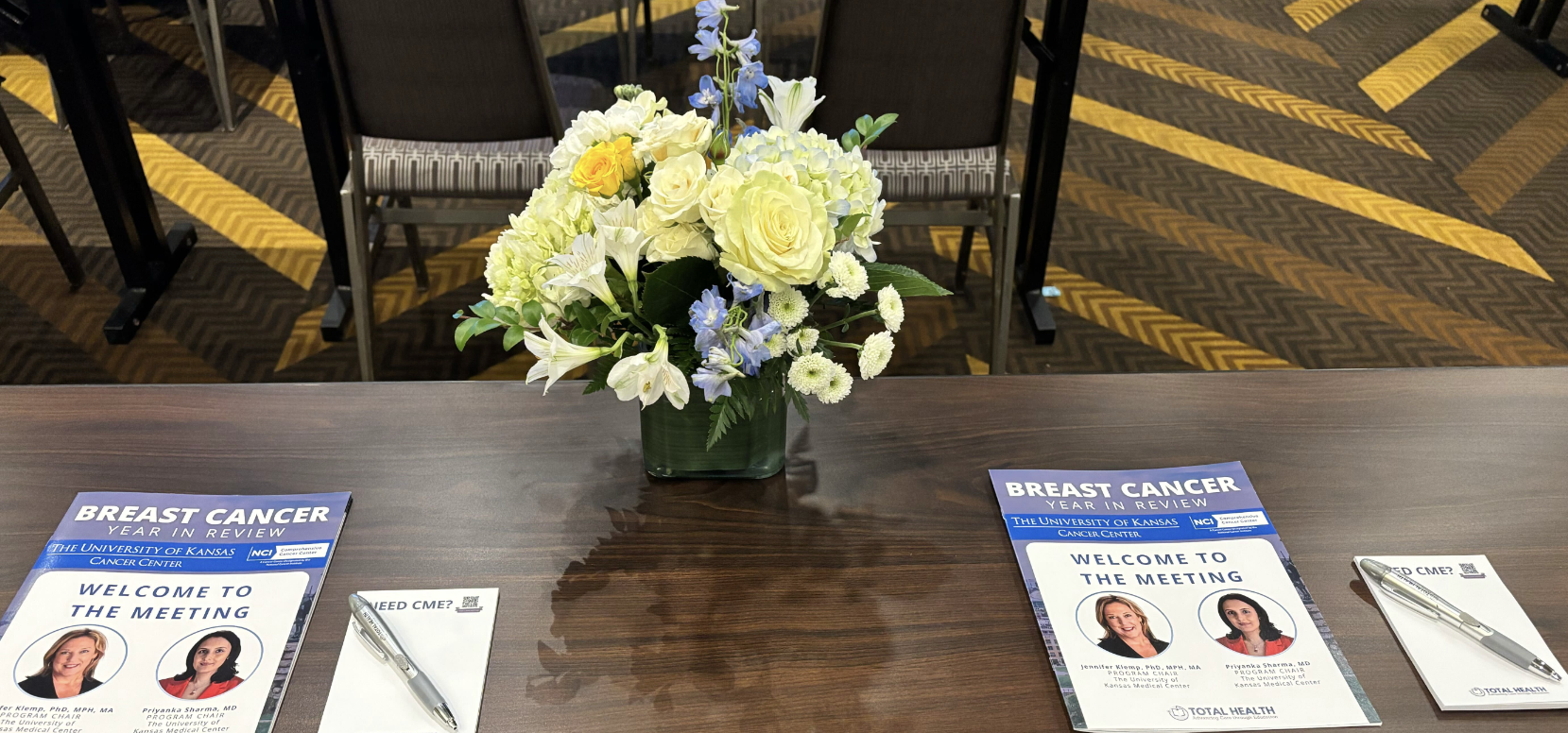
Program Overview
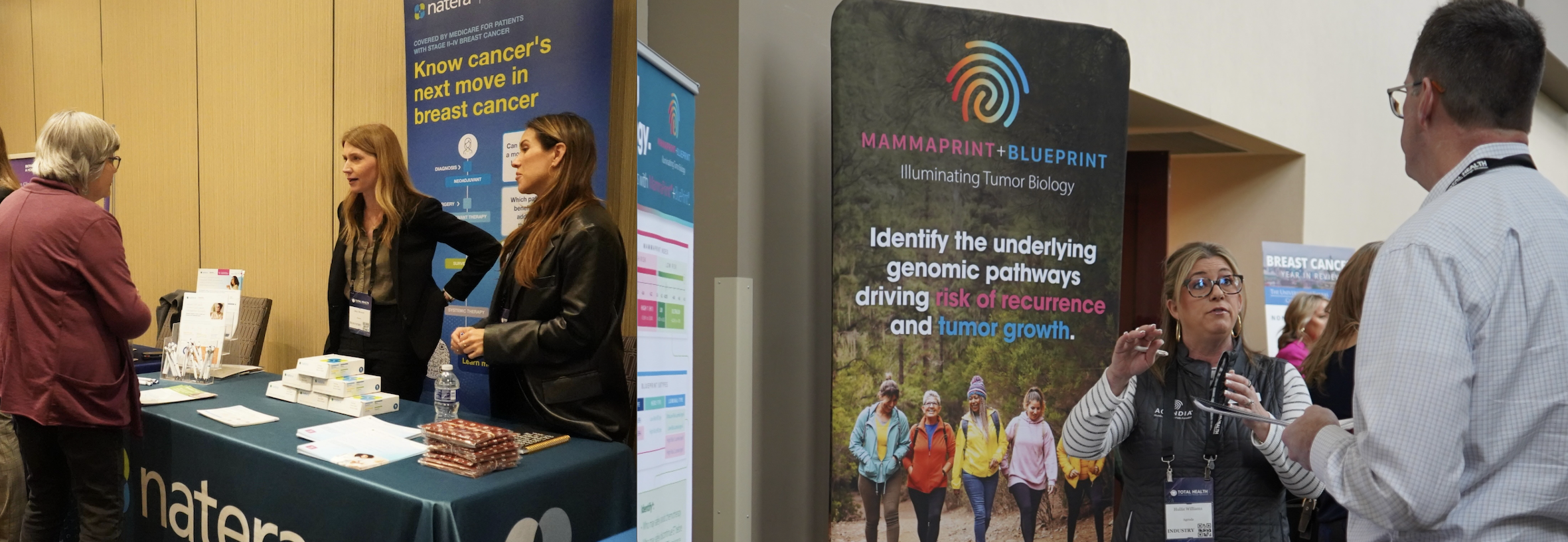
Our on-site team was pleased to host a total of 73 in-person attendees for this year’s meeting, with feedback from participants highlighting the quality, clarity, and clinical relevance of the presentations, as well as the opportunity for meaningful discussion and networking. Notably, 100% of respondents reported that the content was based on the best available scientific evidence, and all indicated they would attend a future program. As with in Total Health programs, thanks to our sponsors and exhibitors, this meeting remains free to attend, reinforcing our commitment to providing accessible, high-quality oncology education to our cancer care teams. We’re also pleased to offer the full educational content from this program on our YouTube channel here.

PROGRAM EDUCATIONAL HIGHLIGHTS
Treatment Updates for Early and Metastatic Triple-Negative Breast Cancer
Rita Nanda, MD (University of Kansas Medical Center) reviewed evolving standards of care and emerging strategies across early-stage and metastatic triple-negative breast cancer (TNBC). Dr Nanda highlighted pembrolizumab plus chemotherapy as the current standard of care for stage II/III TNBC based on KEYNOTE-522, demonstrating improvements in event-free and overall survival. She noted that platinum agents continue to show benefit in the neoadjuvant setting, while post-neoadjuvant management is increasingly risk-adapted, including capecitabine or PARP inhibitors for residual disease and exploration of antibody-drug conjugates (ADCs) in this setting. In metastatic TNBC, Dr Nanda notes that ADCs such as sacituzumab govitecan and trastuzumab deruxtecan have demonstrated superiority over chemotherapy and are reshaping treatment sequencing. Retrospective data, however, suggest diminished efficacy with sequential ADC use, highlighting potential cross-resistance and the need for prospective sequencing strategies.
“ADCs have revolutionized the treatment of HER2-negative metastatic breast cancer, but questions remain regarding optimal sequencing and mechanisms of resistance.”
Role of ctDNA Monitoring in Early and Advanced Breast Cancer
Carlos Barcenas, MD, MSc (MD Anderson Cancer Center) reviewed the evolving role of circulating tumor DNA (ctDNA) as a biomarker across early-stage and metastatic breast cancer, including applications in treatment monitoring, minimal residual disease (MRD) detection, and surveillance. Dr Barcenas described ctDNA as a highly sensitive biomarker of MRD, with detection consistently associated with increased risk of recurrence across breast cancer subtypes and the ability to precede clinical relapse by months to years. In metastatic disease, he notes that ctDNA is currently used to identify actionable mutations (e.g., ESR1), with trials such as PADA-1 and SERENA-6 demonstrating improved progression-free survival with ctDNA-guided therapy switching. In early-stage disease, Dr Barcenas noted that ctDNA dynamics correlate with pathologic response and long-term outcomes across neoadjuvant, adjuvant, and surveillance settings. Despite its strong prognostic value, however, clinical utility remains unproven, and prospective trials are ongoing to define its role in guiding treatment escalation or de-escalation.
“ctDNA is a powerful prognostic biomarker across breast cancer subtypes, but its clinical utility in guiding treatment decisions has not yet been established.”
Fine-Tuning Post-CDK4/6 Inhibitor Endocrine and Targeted Therapy for HR+/HER2− Metastatic Breast Cancer
Erica L. Mayer, MD, MPH (Dana-Farber Cancer Institute) reviewed treatment strategies following progression on CDK4/6 inhibitors in hormone receptor–positive, HER2-negative metastatic breast cancer (MBC), with a focus on endocrine resistance and emerging targeted combinations. Dr Mayer highlighted ESR1 mutations as a key mechanism of acquired endocrine resistance, frequently detected via ctDNA and informing treatment selection. Oral selective estrogen receptor degraders (SERDs), including elacestrant and imlunestrant, have demonstrated improved progression-free survival compared with standard endocrine therapy, particularly in ESR1-mutant disease. Combination strategies pairing SERDs with targeted agents, such as CDK4/6 inhibitors, mTOR inhibitors, or AKT inhibitors, have shown further efficacy gains in multiple trials. She noted studies including SERENA-6 which support ctDNA-guided early switching strategies, while trials such as CAPItello-291 and INAVO120 demonstrate the benefit of targeting the PI3K/AKT/mTOR pathway. Overall, Dr Mayer emphasized that treatment selection is increasingly being driven by genomic profiling as well as combination approaches.
“The era of endocrine monotherapy for ER-positive metastatic breast cancer is over—endocrine therapy should generally be paired with a targeted agent.”
Case Discussion 1: Applying Emerging Data Across Breast Cancer Subtypes
A multidisciplinary panel reviewed a series of clinical cases highlighting real-world decision-making across triple-negative and hormone receptor–positive metastatic breast cancer, with emphasis on integrating biomarkers, sequencing strategies, and evolving standards of care. Discussion centered on treatment selection in complex scenarios, including neoadjuvant and adjuvant strategies in triple-negative breast cancer (TNBC), management of residual disease, and the role of germline BRCA status in guiding use of PARP inhibitors. In hormone receptor–positive metastatic disease, cases highlighted the growing importance of ctDNA testing to identify ESR1 and PIK3CA mutations and inform targeted therapy selection following CDK4/6 inhibitor progression. Faculty explored sequencing of oral SERDs, CDK4/6 inhibitors, and PI3K/AKT pathway–targeted therapies, as well as the role of antibody-drug conjugates in later-line settings. Additional discussion addressed clinical uncertainty around MRD testing, surveillance strategies, and management of oligoprogression and treatment-related toxicities.
“These cases really highlight how much our treatment decisions are now driven by tumor biology and evolving biomarkers, rather than a one-size-fits-all approach.”
Optimizing Regional Nodal Radiation in Intermediate-Risk Early-Stage Breast Cancer
Gaurav Gupta, MD reviewed the role of regional nodal radiation (RNR) in intermediate-risk early-stage breast cancer, highlighting historical evidence, contemporary trials, and evolving strategies for tailoring radiation based on disease biology and treatment response. Dr Gupta discussed foundational data demonstrating that regional nodal radiation improves disease-free and overall survival in node-positive breast cancer, with trials such as MA.20 and EORTC 22922 showing reductions in both regional and distant recurrence. Additional analyses support inclusion of internal mammary node irradiation, particularly for medial or central tumors. More recent studies, however, refine patient selection, with the SUPREMO trial showing no disease-free survival benefit for chest wall radiation alone, and NSABP B-51 demonstrating that patients who achieve nodal clearance after neoadjuvant chemotherapy may not benefit from regional nodal radiation. Across studies, emerging signals suggest potential lack of benefit, or even detriment, in select triple-negative subgroups, underscoring the need for biologically tailored approaches.
“Patients who convert from node-positive to node-negative disease after neoadjuvant therapy may not derive the same benefit from regional nodal radiation that we’ve historically expected.”
Advances in HER2-Positive Early Breast Cancer: From Targeted Therapy to Antibody-Drug Conjugates
Mark Pegram, MD (Stanford University) reviewed the evolution of HER2-targeted therapy in early breast cancer, highlighting the biologic rationale, historical development of combination strategies, and emerging data supporting antibody-drug conjugates (ADCs) in both neoadjuvant and adjuvant settings. Dr Pegram outlined the foundational role of HER2 as a key oncogenic driver and the development of trastuzumab-based regimens, including early preclinical work demonstrating synergy with chemotherapy that informed standard combinations such as TCH. Efforts to reduce toxicity led to non-anthracycline regimens and de-escalation strategies for lower-risk disease. Dual HER2 blockade with trastuzumab and pertuzumab improved pathologic complete response rates and became a standard neoadjuvant approach. More recently, ADCs have transformed management, with T-DM1 improving outcomes in patients with residual disease (KATHERINE trial). Newer agents such as trastuzumab deruxtecan (T-DXd) demonstrate higher response rates and improved invasive disease–free survival in high-risk populations, though interstitial lung disease remains an important safety consideration requiring monitoring.
“Antibody-drug conjugates allow us to deliver highly potent therapy with greater precision, potentially improving efficacy while reducing the need for traditional chemotherapy.”
Mitigating Endocrine Therapy–Associated Toxicities in Breast Cancer
N. Lynn Henry, MD, PhD (University of Michigan) reviewed the prevalence, impact, and management of endocrine therapy–associated toxicities in patients with hormone receptor positive breast cancer, with a focus on maintaining treatment adherence and quality of life. Dr Henry highlighted that endocrine therapy–related toxicities, including arthralgias, vasomotor symptoms, vaginal dryness, and alopecia, are common and may lead to treatment discontinuation. Aromatase inhibitor–associated musculoskeletal symptoms can be managed through strategies such as switching endocrine agents, duloxetine, acupuncture, and structured exercise programs. Nonhormonal therapies, including SSRIs/SNRIs, gabapentinoids, and oxybutynin, are effective options for vasomotor symptoms, with emerging data supporting neurokinin receptor antagonists such as elinzanetant and fezolinetant. For genitourinary symptoms, nonhormonal approaches are recommended first-line, with low-dose vaginal estrogen considered in select patients after shared decision-making. Limited data support oral or topical minoxidil for endocrine therapy–associated alopecia.
“Managing endocrine therapy toxicity is critical—because if patients cannot tolerate therapy, they cannot benefit from it.”
Case Discussion 2: Navigating Treatment Sequencing and Personalization in Breast Cancer
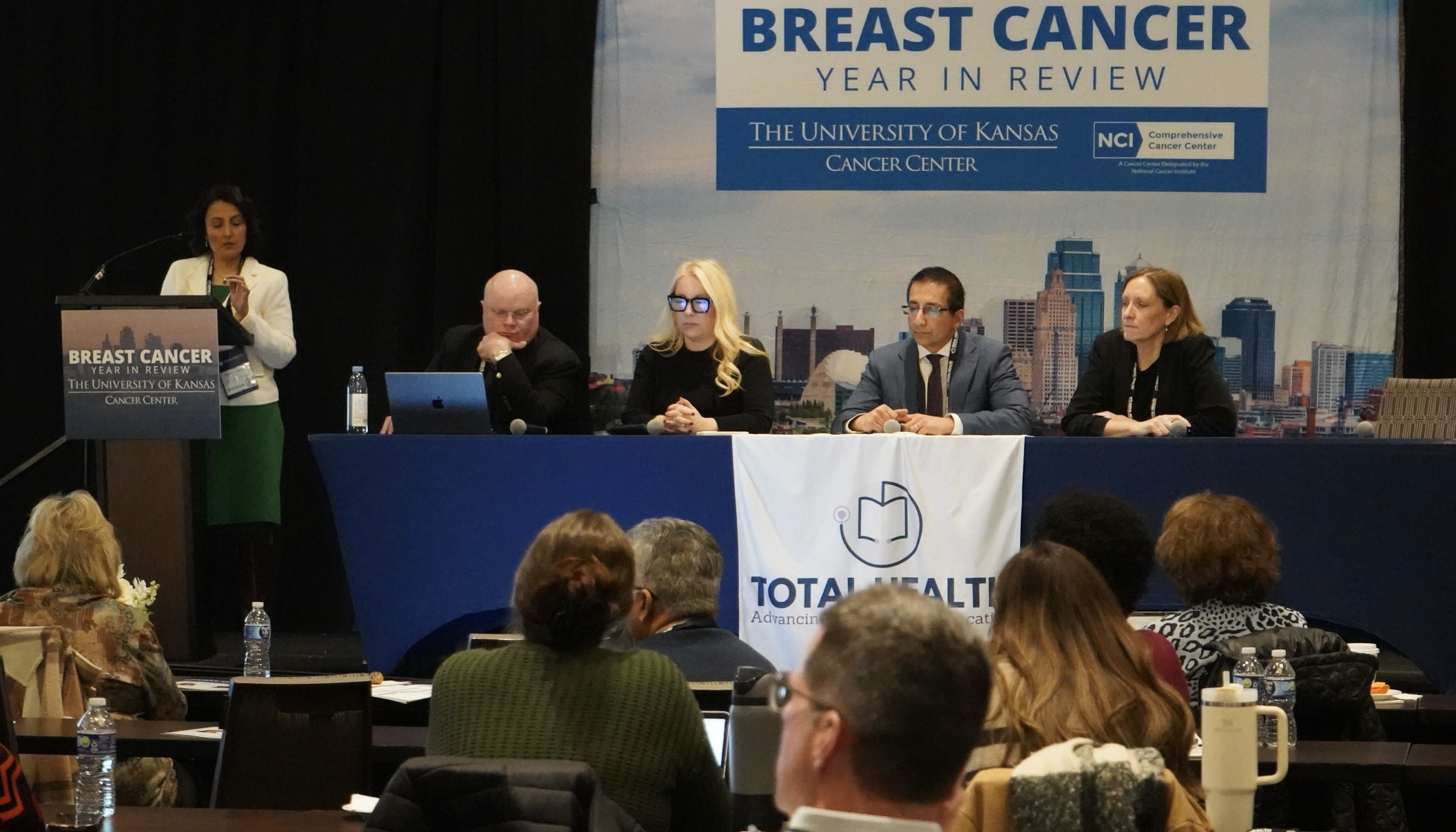
The program concluded with a second multidisciplinary panel which reviewed complex clinical scenarios across HER2-positive and hormone receptor–positive breast cancer, focusing on treatment selection, sequencing, and integration of emerging therapies in both early-stage and metastatic settings. Discussion highlighted evolving management of HER2-positive disease, including the role of antibody-drug conjugates such as trastuzumab deruxtecan and T-DM1 in patients with residual disease following neoadjuvant therapy, as well as considerations for toxicity monitoring, including interstitial lung disease. In early-stage HER2-positive disease, panelists explored selection of neoadjuvant regimens and the impact of pathologic response on adjuvant therapy and radiation decisions. In hormone receptor–positive disease, cases emphasized optimization of endocrine therapy with ovarian suppression, CDK4/6 inhibitors, and emerging oral SERDs, alongside management of treatment-related toxicities. Additional discussion addressed sequencing strategies in metastatic disease incorporating ESR1 and PIK3CA mutations, as well as the role of local therapy in select patients with de novo metastatic presentations.
“These cases underscore how treatment decisions increasingly depend on integrating tumor biology, prior therapies, and patient-specific factors to guide sequencing in both early and metastatic disease.”
Thank You!
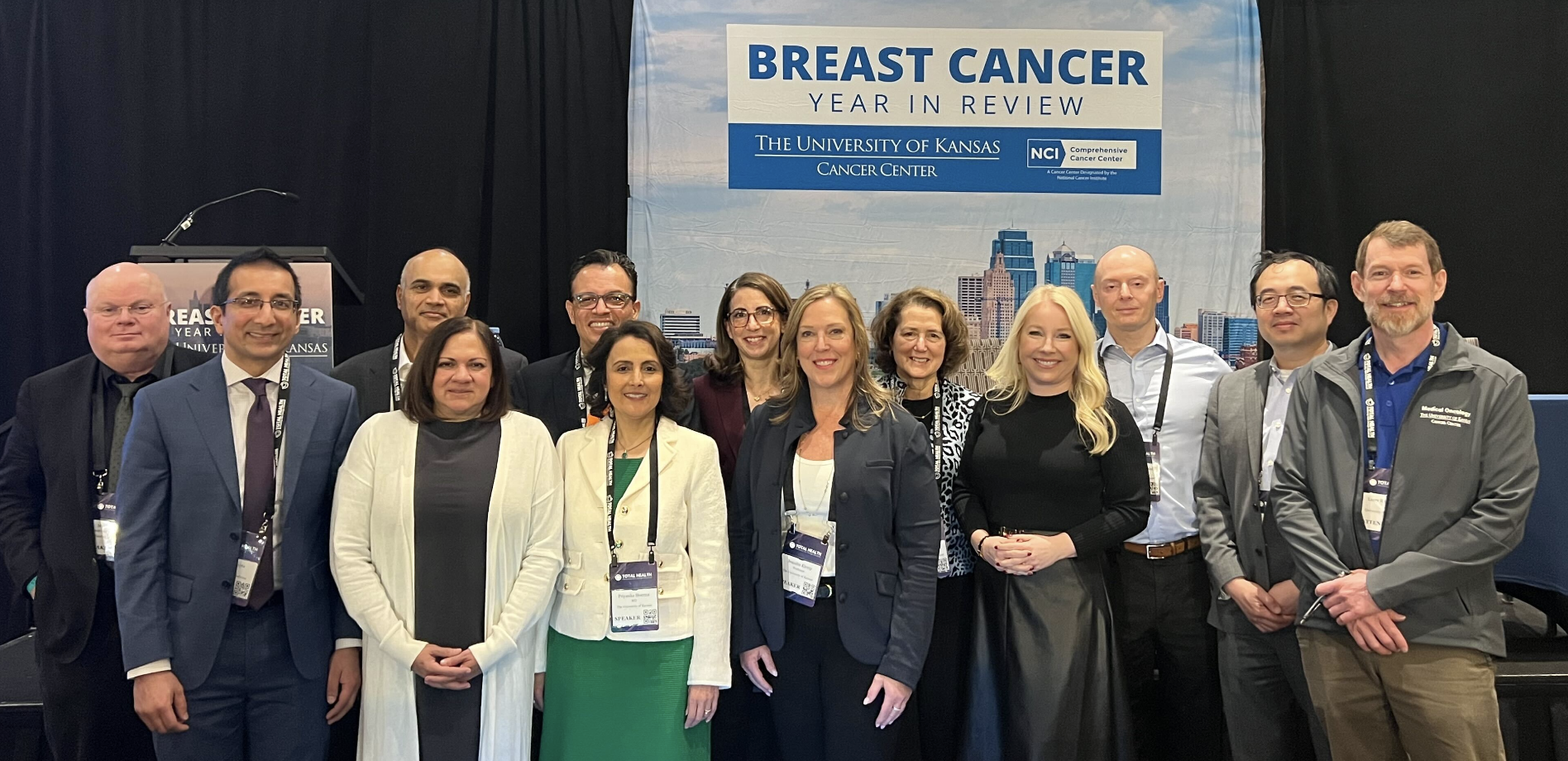
On behalf of our program chairs, Dr Priyanka Sharma and Dr Jennifer Klemp, our sincere thanks to all our in-person attendees, and to our valued sponsors and exhibitors, for making this year’s conference such a success, and for allowing us to keep this program and others, as always, free to attend for our cancer care teams!