2026 Best of Heme
AFTER the MEETING – with Total Health
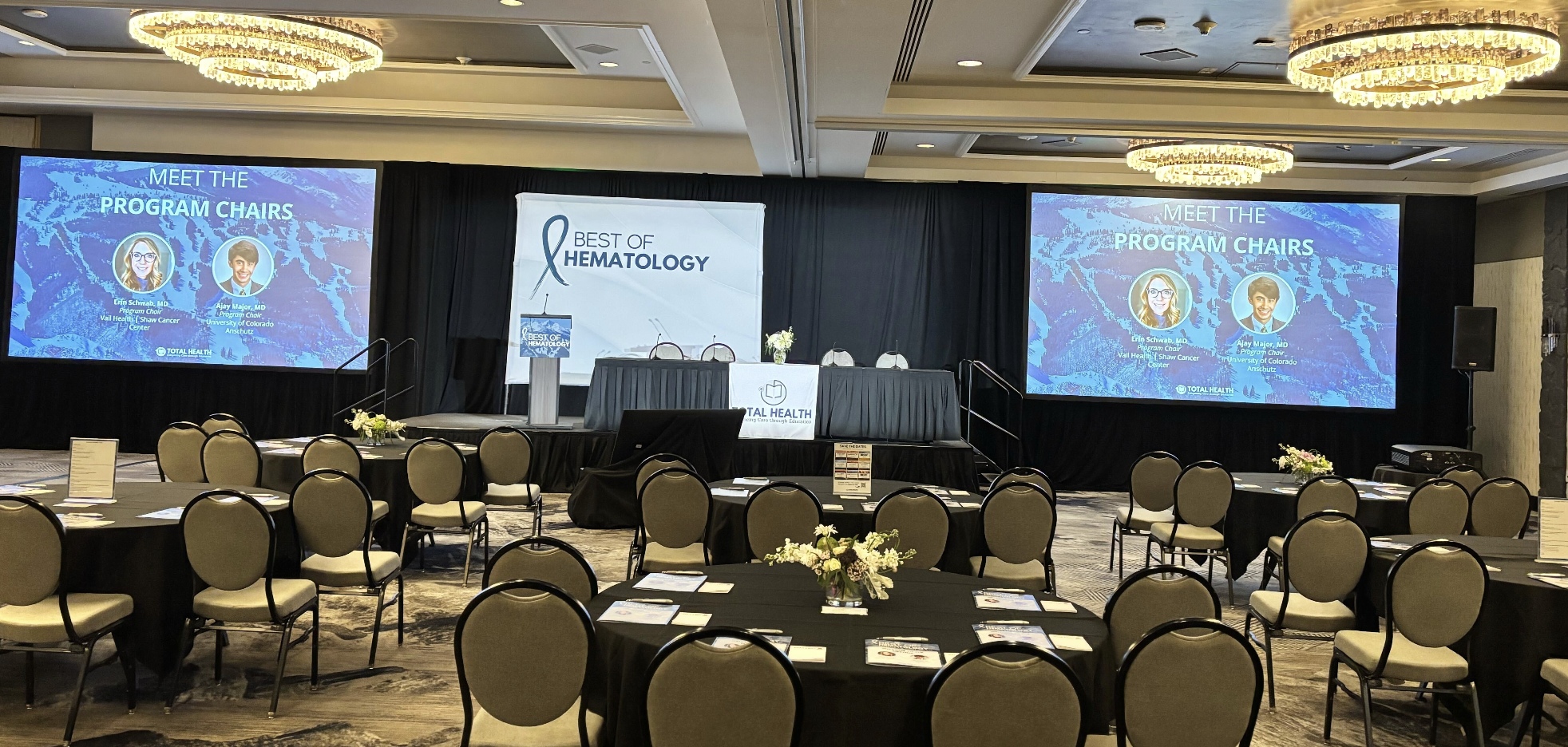
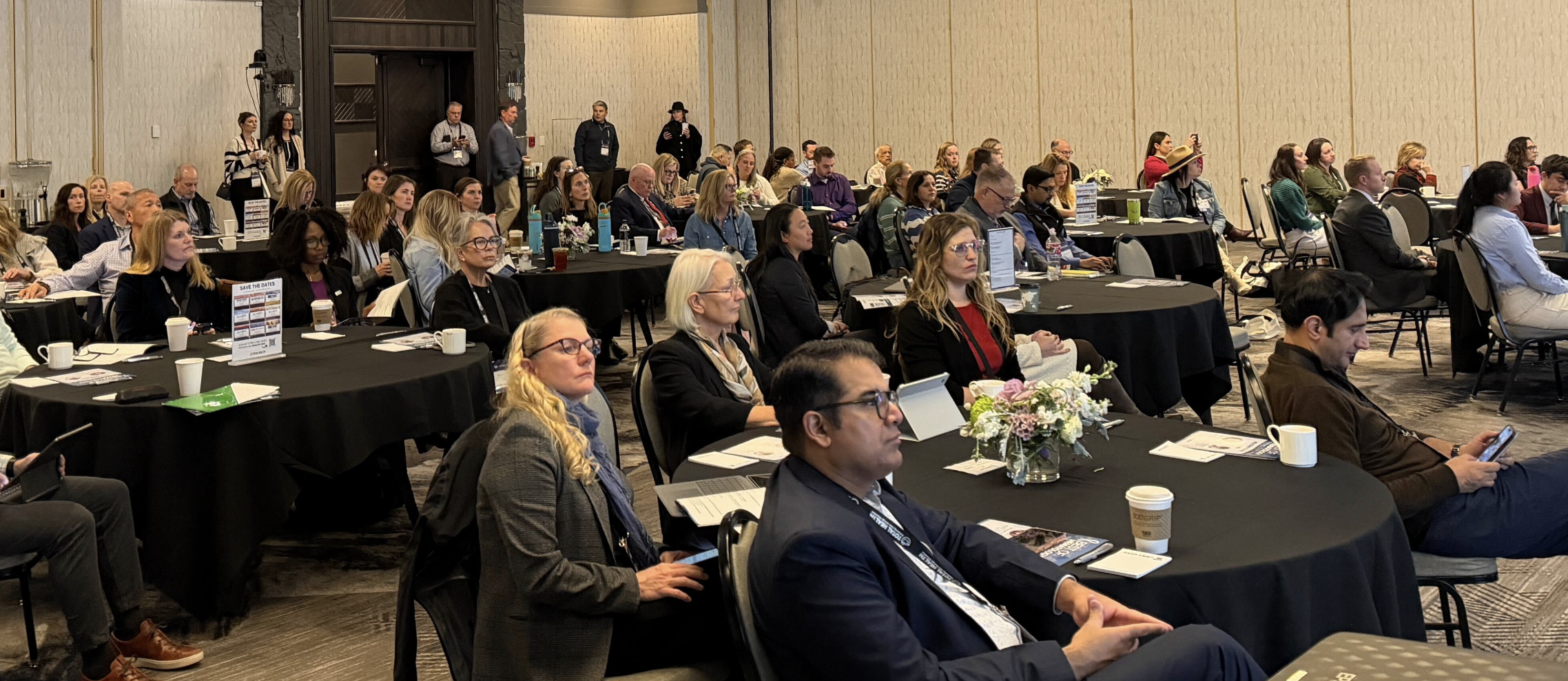
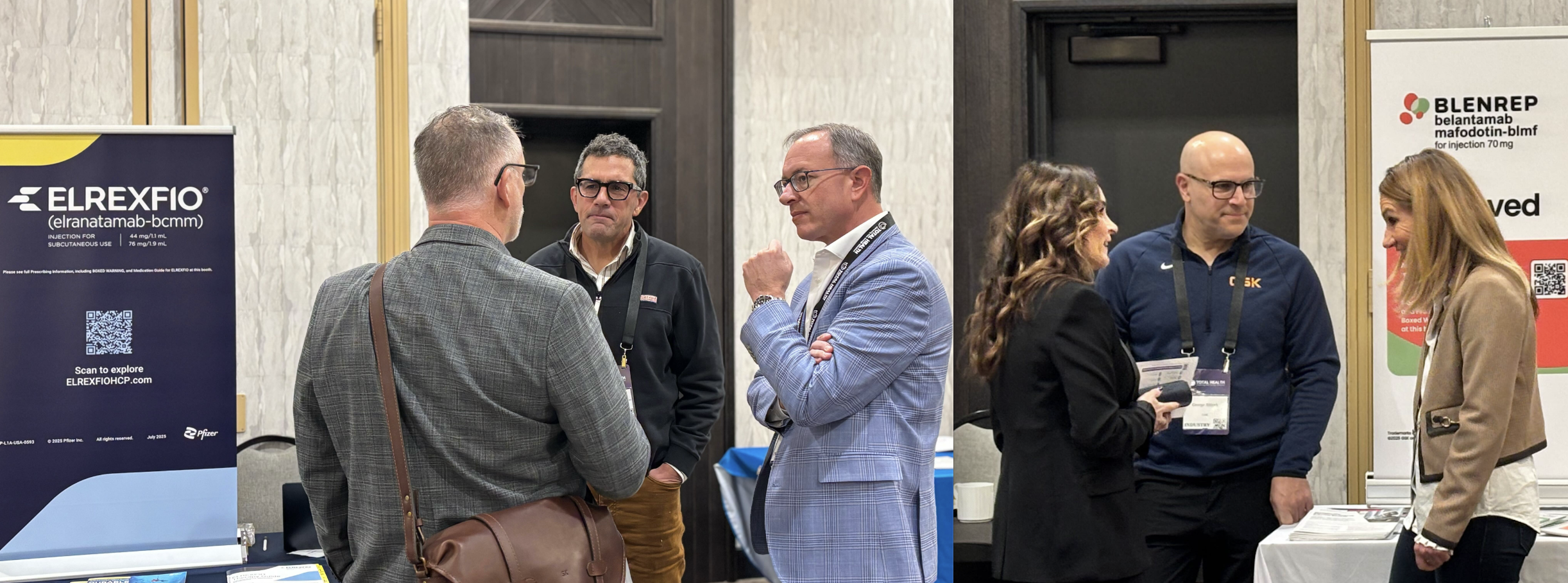
This past February 7th and 8th Total Health was pleased to once again host our annual Best of Hematology conference in beautiful Vail, Colorado! This free to attend, in-person/virtual hybrid educational event featured program chairs Dr Erin Schwab from Vail Health/Shaw Cancer Center and Dr Ajay Major from University of Colorado Anschutz, with 55 in-person and 111 virtual attendees.
“The location and venue was fantastic. The speakers were great. Length of presentations was just right.”
Our 2026 Best of Heme Program Overview
Speakers and attendees alike were very complimentary of this year’s program content, with many saying this was their favorite program of the year and commenting on the growth of this meeting since its inception in 2023! The half-day agendas, spread over two days also left attendees plenty of time to unwind, connect, and network with speakers and colleagues and even enjoy some time on the slopes in this picturesque winter setting. Thanks to our valued sponsors and exhibitors, Total Health is proud, as always, to offer the enduring content from this meeting to our cancer care teams for free, available on our YouTube channel here. You can also access the individual presentations from the conference by clicking on the speaker names in the summaries below.
2026 Best of Heme - Day 1 Highlights
Targeted and MRD-Driven Approaches in Acute Leukemia
Dr Mat Angelos from University of Colorado reviewed emerging strategies integrating targeted therapies and measurable residual disease (MRD) assessment in acute myeloid leukemia (AML). Venetoclax-based regimens remain central to frontline treatment, with data from the phase 2 PARADIGM trial suggesting azacitidine/venetoclax may improve event-free survival versus intensive chemotherapy in select patients, while reducing hospitalization and early mortality. Treatment selection, however, should increasingly be guided by molecular and phenotypic disease features. For example, monocytic AML and RAS-mutated disease may demonstrate relative resistance to venetoclax. Triplet combinations incorporating FLT3, IDH, or menin inhibitors are showing promising response rates and MRD negativity in early studies. Novel immunotherapies, including T-cell engagers and CAR T strategies, may expand options for high-risk AML subsets.
“The question ‘Is the patient young and fit?’ should no longer be the instinctive default for AML induction decisions—we should be guiding therapy based on the molecular and phenotypic features of the disease.” – Dr Mat Angelos
Chronic Leukemia: Targetable Pathways in CLL
Dr Steven Bair from University of Colorado Anschutz reviewed the evolving treatment landscape in chronic lymphocytic leukemia (CLL), emphasizing the shift from chemoimmunotherapy toward targeted agents and combination regimens. Inhibitors of the B-cell receptor (BCR) pathway, particularly BTK inhibitors, and BCL2 inhibition with venetoclax now form the backbone of therapy. Data from studies such as CAPTIVATE, AMPLIFY, FLAIR, and SEQUOIA highlight the effectiveness of fixed-duration BTK inhibitor–venetoclax combinations, which can achieve deep responses and high rates of undetectable minimal residual disease (MRD). MRD status is increasingly recognized as prognostic and may guide treatment duration in select regimens. Regimen selection, however, must balance efficacy with toxicity, including infection risk associated with anti-CD20 antibodies.
“There’s been a substantial change in the treatment landscape of CLL over the last couple of decades…these studies have really led to a paradigm shift away from chemoimmunotherapy and toward targeted treatment.” – Dr Steven Bair
Moving Beyond R-CHOP in Diffuse Large B-Cell Lymphoma
Dr Michael Tees from Colorado Blood Cancer Institute reviewed emerging strategies aiming to improve outcomes beyond standard R-CHOP–based therapy in diffuse large B-cell lymphoma (DLBCL). While R-CHOP, dose-adjusted R-EPOCH, and pola-R-CHP remain current frontline standards, multiple novel approaches are being explored. Early studies highlight T-cell engagers (eg, epcoritamab, glofitamab, mosunetuzumab) showing promising response rates in elderly or chemotherapy-ineligible patients, suggesting a potential shift toward less chemotherapy-intensive regimens. In parallel, molecular classification of DLBCL—particularly MCD and N1 genotypes—may identify patients who benefit from targeted therapies such as BTK inhibitors combined with R-CHOP. Overall, incremental advances across immunotherapy and genotype-directed strategies may gradually reshape frontline treatment paradigms.
“The themes right now are that T-cell–engaging therapies are moving into the first-line setting, and we may also be moving toward a mutation-driven approach to induction therapy.” – Dr Michael Tees
Indolent Lymphoma: Strategies for Personalizing Long-Term Care
Dr Ann LaCasce from Dana Farber Cancer Institute reviewed the evolving management of follicular lymphoma (FL), emphasizing its biologic heterogeneity and the importance of individualized treatment decisions. Standard frontline therapy for advanced disease remains anti-CD20–based chemoimmunotherapy, while localized disease may be managed with radiotherapy or observation depending on tumor burden. Prognostic tools such as FLIPI-24 may better stratify risk and identify patients for clinical trials. In the relapsed setting, newer immunotherapies, including bispecific antibodies (eg, epcoritamab) and tafasitamab-based combinations, are reshaping second-line treatment, while CAR T-cell therapy and other novel agents provide options in later lines. A major ongoing challenge remains predicting and preventing transformation to aggressive lymphoma.
“The biggest threat to our patients with follicular lymphoma is transformation—patients rarely die from the indolent disease itself.” – Dr Ann LaCasce
Panel Discussion: “Game-Changing” Results From 2025 and Implications for Clinical Practice
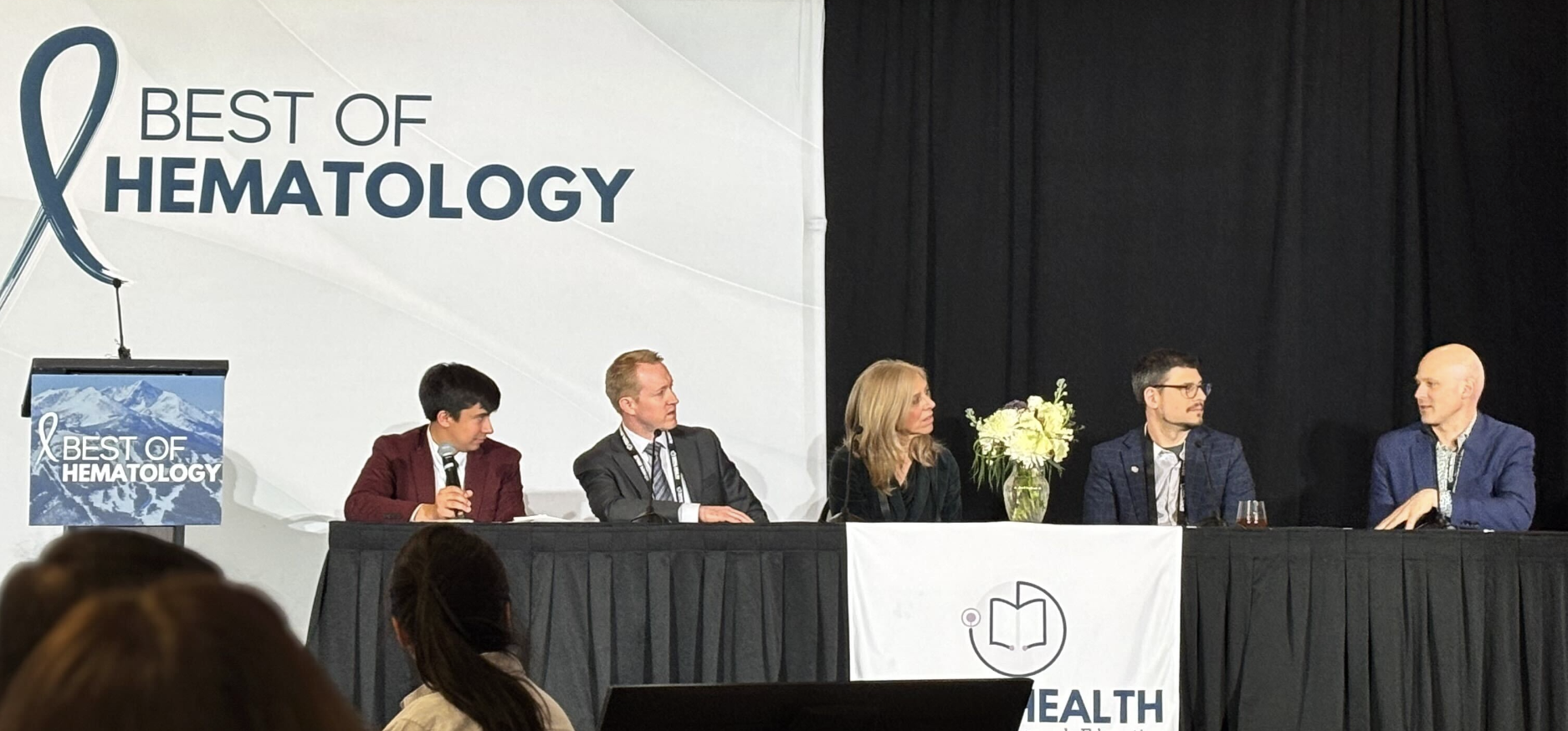
Dr Ajay Major moderated an extended panel discussion on the topic of “game-changing” results from 2025 and their impact on current practice. In this multidisciplinary panel, faculty discussed practice-changing themes emerging from 2025 hematology data, with particular focus on measurable residual disease (MRD), evolving immunotherapies, and practical treatment decision-making. Across disease states, the panelists emphasized that MRD remains highly prognostic but is not yet routinely actionable in most lymphoma settings, highlighting the need for prospective studies to guide MRD-directed treatment decisions. Discussion also addressed the rapid expansion of therapeutic options, including bispecific antibodies, CAR T-cell therapy, and targeted combinations, which requires clinicians to carefully balance efficacy with toxicity, infection risk, and patient-specific factors such as comorbidities, access to care, and treatment logistics. Looking ahead, emerging approaches such as in vivo CAR T-cell engineering and off-the-shelf cellular therapies may further reshape treatment paradigms.
“MRD is highly prognostic, but we still have a lot to learn before it routinely guides treatment decisions in most lymphomas.”
“We now have the luxury—and the challenge—of many effective options, which means treatment decisions must be individualized for each patient.”
2026 Best of Heme - Day 2 Highlights
Bispecific Antibodies, CAR-T Cells, and Sequencing Strategies in Multiple Myeloma
Dr Jorge Monge began the Day 2 program by reviewing the rapidly evolving role of T-cell–redirecting therapies in relapsed/refractory multiple myeloma (RRMM), highlighting both CAR T-cell therapy and bispecific antibodies targeting BCMA or GPRC5D. Historically, patients with triple-class–exposed disease experienced response rates of ~30% and median progression-free survival (PFS) of <6 months. In contrast, CAR T-cell therapies such as ide-cel and cilta-cel now achieve response rates up to 98% and median PFS approaching 35 months in late-line disease. Bispecific antibodies, including teclistamab, elranatamab, talquetamab, and linvoseltamab, provide effective off-the-shelf options with response rates of ~60%–70%. As these therapies move earlier in treatment, clinicians must carefully consider sequencing, toxicity management, access to care, and infection risk when selecting therapy.
“When we treat relapsed myeloma today, the challenge isn’t a lack of effective therapies—it’s deciding which of these powerful options to use first.” – Dr Jorge Monge
What’s New in T-Cell and Rare Lymphomas
Dr Bradley Haverkos presented on evolving management strategies for T-cell lymphomas, cutaneous T-cell lymphoma (CTCL), and CNS lymphomas, emphasizing the need for subtype-specific treatment approaches. For anaplastic large cell lymphoma (ALCL), brentuximab vedotin–based therapy (BV-CHP) remains standard, curing ~75% of ALK-positive cases, though outcomes remain poorer in ALK-negative disease. In nodal T-follicular helper lymphomas, consolidation with autologous transplant improves progression-free survival in eligible patients. Emerging strategies include combining CHOP-based regimens with targeted agents such as azacitidine or PI3K inhibitors, as well as biomarker-guided approaches based on molecular subtypes. Novel therapies, including CAR T-cell strategies and targeted immunotherapies, may expand treatment options in relapsed disease.
“The big question in T-cell lymphoma is whether we keep adding drugs to CHOP or move toward an entirely new treatment backbone.” – Dr Bradley Haverkos
Updates in Myeloproliferative Neoplasms and Myelodysplastic Syndromes
Dr Samuel Urrutia from Washington University in St. Louis reviewed key advances in the management of myeloproliferative neoplasms (MPNs) and myelodysplastic syndromes (MDS), focusing on emerging therapies and practical treatment considerations. In polycythemia vera, the hepcidin mimetic rusfertide demonstrated durable hematocrit control and reduced phlebotomy requirements in the phase 3 VERIFY trial, with injection-site reactions as the most common adverse event. In myelofibrosis, the combination of pelabresib plus ruxolitinib improved spleen volume reduction but did not significantly improve symptom scores, prompting further phase 3 evaluation. For MDS, higher-dose luspatercept appears safe and may rescue additional responses, while imetelstat activity may correlate with treatment-induced cytopenias. Notably, the phase 3 VERONA trial showed no overall survival benefit with venetoclax plus azacitidine in higher-risk MDS.
“Many of the disappointments in the last decade have unfortunately been in high-risk MDS - an area that remains a critical unmet need.” – Dr Samuel Urrutia
Gene Therapy and Novel Approaches in Hemoglobinopathies
Dr Liz Traxler from University of Pennsylvania reviewed emerging treatment strategies for sickle cell disease (SCD) and β-thalassemia, highlighting the rapid progress in gene therapy and targeted pharmacologic approaches. She noted two gene therapies, exagamglogene autotemcel (exa-cel) and lovotibeglogene autotemcel (lovo-cel) which are now FDA approved and have demonstrated transformative outcomes, including high rates of transfusion independence in thalassemia and sustained elimination of vaso-occlusive events in SCD. Implementation, however, remains challenging due to intensive transplant procedures, potential toxicities, and high costs exceeding $2 million per treatment. Additional innovations, including base-editing strategies (eg, BEAM-101) and pharmacologic therapies such as the PK activator mitapivat, recently approved for thalassemia - may further expand treatment options in the coming years.
“These gene therapies can be truly transformative for patients—taking them from lifelong transfusions or repeated pain crises to potentially living free of those complications.” – Dr Liz Traxler
Panel Discussion: How Do You Integrate Novel Therapies Into Clinical Practice?
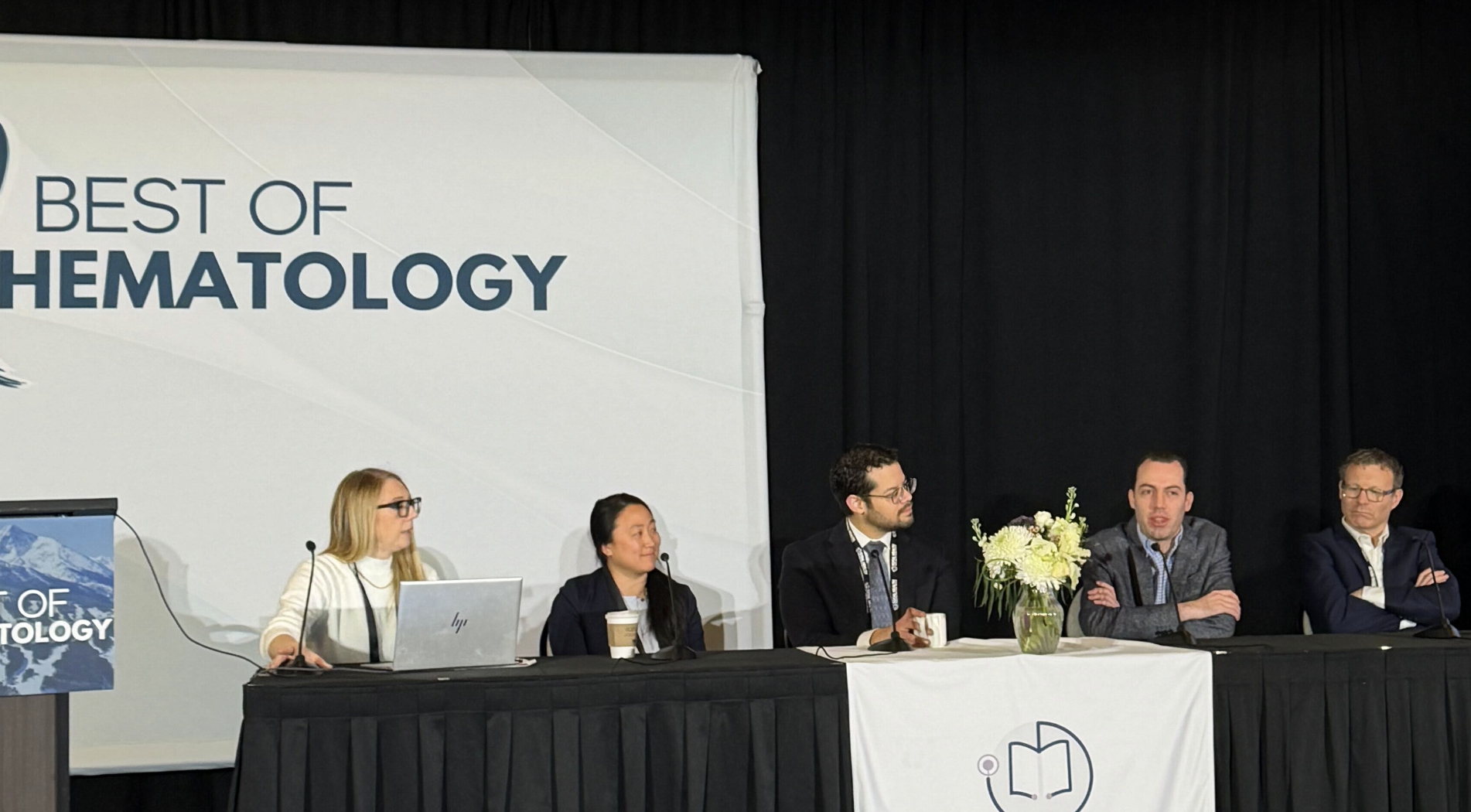
In the second extended panel discussion of the conference moderated by Dr Erin Schwab, the faculty explored how clinicians can incorporate rapidly emerging therapies - CAR T-cell therapy, bispecific antibodies, gene therapies, and targeted agents - into routine hematology practice. A central theme was the growing complexity of treatment sequencing and the importance of early referral to transplant or cell therapy centers, particularly as therapies move earlier in the treatment paradigm. Panelists emphasized that clinical trial populations often differ from real world patients, making careful patient selection and individualized decision-making critical. The discussion also highlighted practical considerations including toxicity management, donor selection for transplant, cost of advanced therapies, and the evolving role of molecular profiling (e.g., CHIP) in identifying risks associated with intensive or gene-based treatments.
“The most important message is refer early… cellular therapies take months of preparation, and waiting until the last-minute limits options.”
“Right now, we treat the cancer patients have today not the one they might develop years later.”
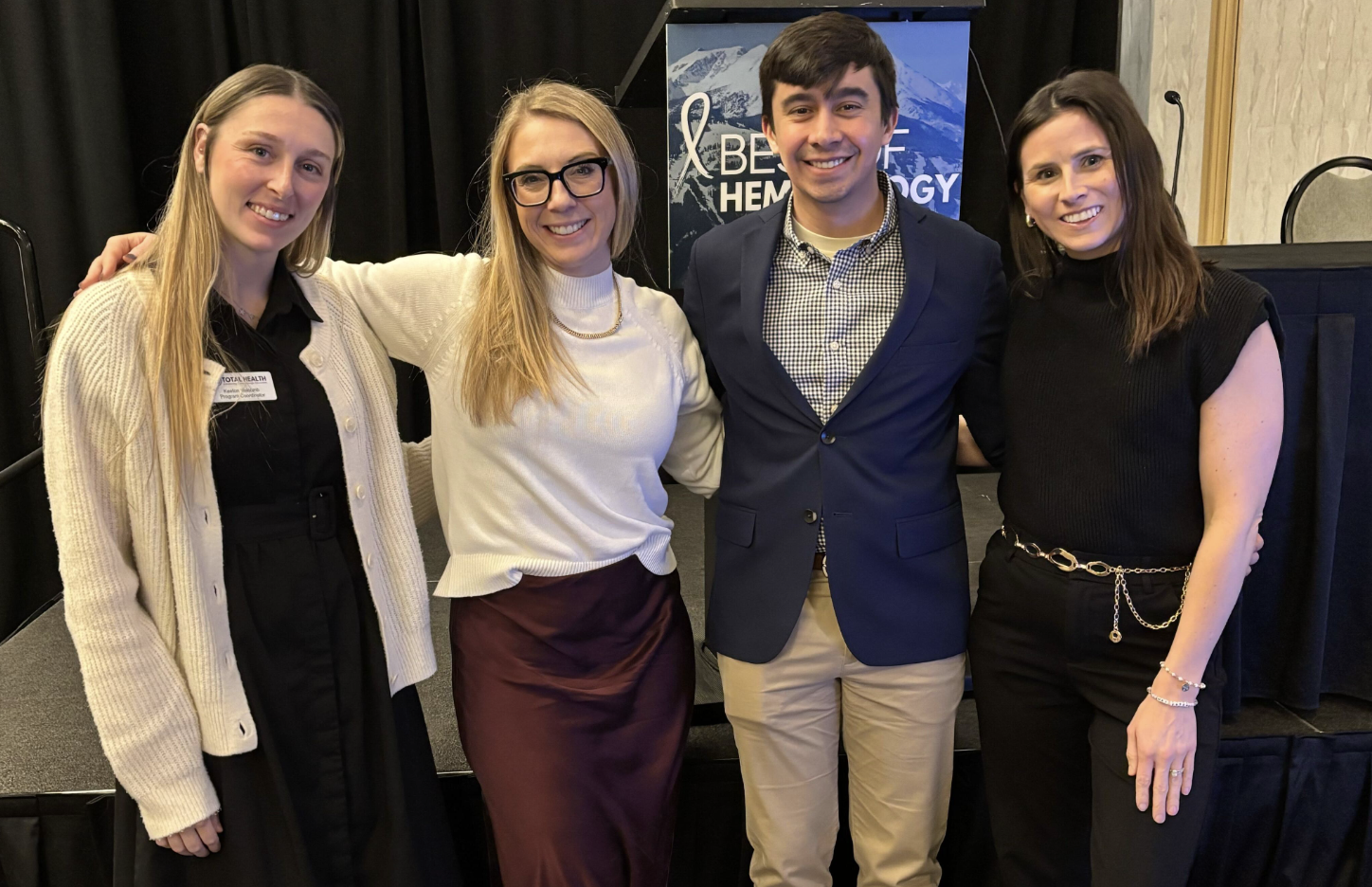
Left to Right: Total Health Best of Hematology Program Lead, Keeton Holcomb, Program Chairs, Dr Erin Schwab and Dr Ajay Major, Total Health Program Director, Allison (Cooper) Zuber.
Thank You!
On behalf of our program chairs, Dr Erin Schwab and Dr Ajay Major, our sincere thanks to all our in-person and virtual attendees, and to our valued exhibitors, for making this year’s conference such a success, and for allowing us to keep this program and others, as always, free to attend for our cancer care teams!
“Keep up the great work! I love these conferences! ”